
It’s easy to think that more detergent means cleaner clothes. After all, it smells good, it’s labeled “deep clean,” and the cap is right there begging to be filled. But too much detergent actually makes your laundry dirtier, not cleaner. It can damage your washer, waste money, and even make your clothes feel grimy or smell sour.
Most people use two to three times more detergent than they need, and it shows in the way their laundry looks, feels, and lasts.
Why more detergent doesn’t mean cleaner laundry
Laundry detergent is designed to bind to dirt and oils so the water can rinse them away. When you use too much, there isn’t enough water to fully wash the detergent out. That leftover soap clings to fabric, trapping dirt and bacteria underneath instead of removing it. You might notice clothes that feel stiff or smell musty even though they’re freshly washed.
If you have a high-efficiency (HE) machine, overusing detergent makes things worse. HE washers use less water by design, so there’s even less rinsing power. Instead of saving money and water, you end up running extra rinse cycles—or replacing clothes sooner because they never quite feel clean again.
The damage it causes over time
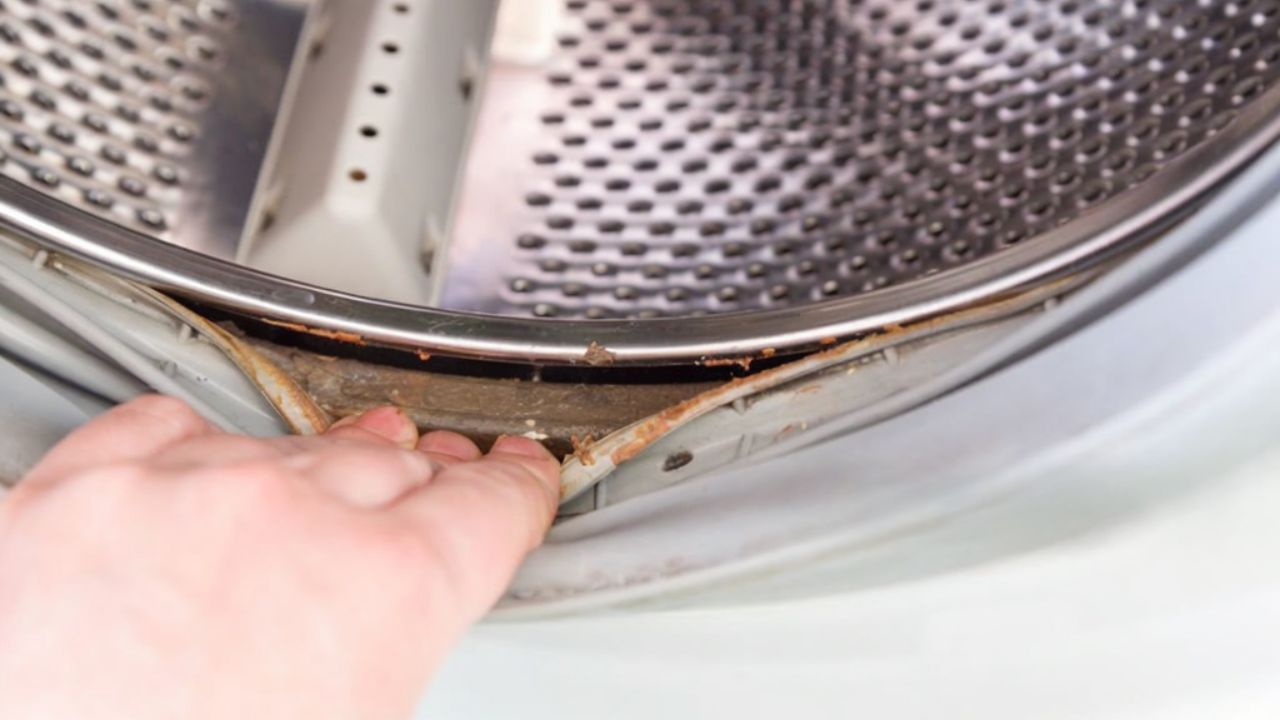
It’s not just your clothes that take a hit. Too much detergent leaves residue inside your washer, especially around the rubber gasket and drum. That buildup traps moisture and lint, creating a breeding ground for mold. If your washer smells funky no matter how often you clean it, excess detergent is probably the reason.
Over time, the buildup can also interfere with sensors, clog drainage lines, and shorten your machine’s lifespan. You might notice suds that linger long after the spin cycle ends or water that doesn’t drain properly. What looks like a machine issue is often just a detergent issue in disguise.
What’s happening to your clothes
When residue sits in fabric fibers, it dulls colors and breaks down elasticity. Towels stop absorbing well, workout clothes start to smell faster, and black shirts fade into a murky gray. The leftover soap also makes lint and pet hair stick more easily. You end up doing more laundry to “fix” what too much detergent caused in the first place.
Even worse, residue can irritate your skin. If you’ve ever felt itchy after wearing freshly washed clothes, your detergent is probably the culprit—not the fabric. Using less detergent usually makes a bigger difference than switching brands.
How much detergent you actually need
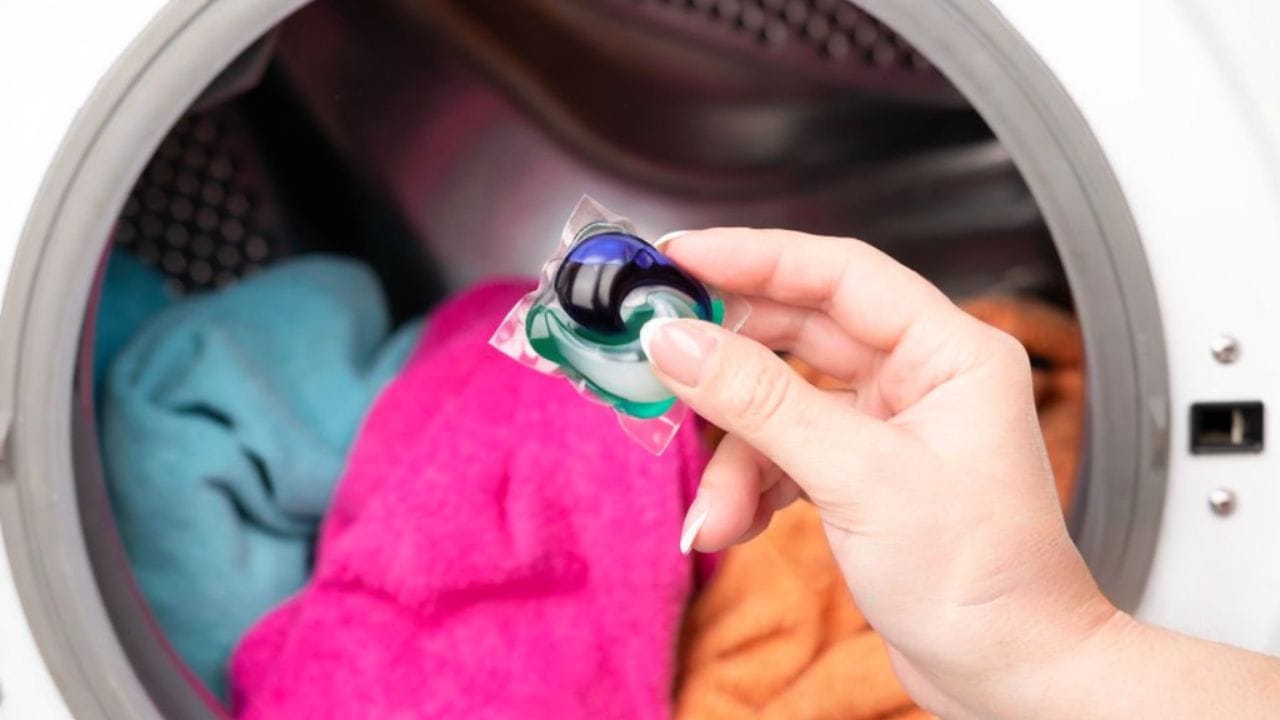
Most people fill the cap to the top, but that’s way too much. For a standard load, you typically only need about two tablespoons of liquid detergent or one pod. HE washers need even less—closer to one tablespoon.
If you’re using a powder or liquid without clear measurements, start smaller and adjust. Your clothes shouldn’t feel slick or have suds during the rinse cycle. That’s a clear sign you’ve gone overboard. Once you use the right amount, you’ll notice clothes feel softer, smell fresher, and take less time to dry.
The fix is easy and worth it
Cutting back on detergent doesn’t just make laundry cleaner—it makes it cheaper. Using less means your bottle lasts longer and your washer stays in better shape. You can even run a hot “clean” cycle with vinegar or a washer cleaner tablet once a month to clear out the buildup from old habits.
If you’ve been using too much for years, don’t panic. It takes a few washes for fabrics and your machine to reset, but they will. Start fresh with smaller amounts, and you’ll be surprised how much cleaner everything feels.
*This article was developed with AI-powered tools and has been carefully reviewed by our editors.
Leave a Reply