
Holiday meals are expensive, and leftovers are supposed to be the payout. If your fridge turns into a guessing game of cracked containers and mystery foil, you lose money and time.
You don’t need a perfect system. You need a simple plan that keeps food safe, tasty, and easy to use for new meals. Do that, and the grocery bill for the week after Christmas drops without you noticing.
Cool fast and store shallow
The safety rule that gets ignored is cooling. Hot food parked in a giant pot takes hours to drop to a safe temperature. Divide leftovers into shallow containers so the center cools quickly, and leave lids vented for the first half hour to let steam escape. Stack on a sheet pan to move everything in one trip.
If you regularly cook for a crowd, pick up a multi-pack of flat deli-style containers; they make your fridge look like a tidy shelf instead of a food puzzle.
Label with dates and easy names
No one eats mystery food. Write the item and the date on painter’s tape and stick it high on the container so you can see it without moving things.
If you know the next use, add it—“turkey quesadillas,” “potato cakes,” “gravy for noodles.” A name turns leftovers into a plan, and a date makes you act before the toss window.
Use a two-zone fridge layout
Keep a “use first” zone for food that needs to go within two to three days—meats, creamy sides, and cut fruit. Park sturdy items like roasted vegetables, rolls, and grain salads on a lower shelf with a longer window.
A simple “top quick, bottom later” habit prevents the Monday-night surprise of food that should have been eaten Saturday.
Protect texture with a little separation
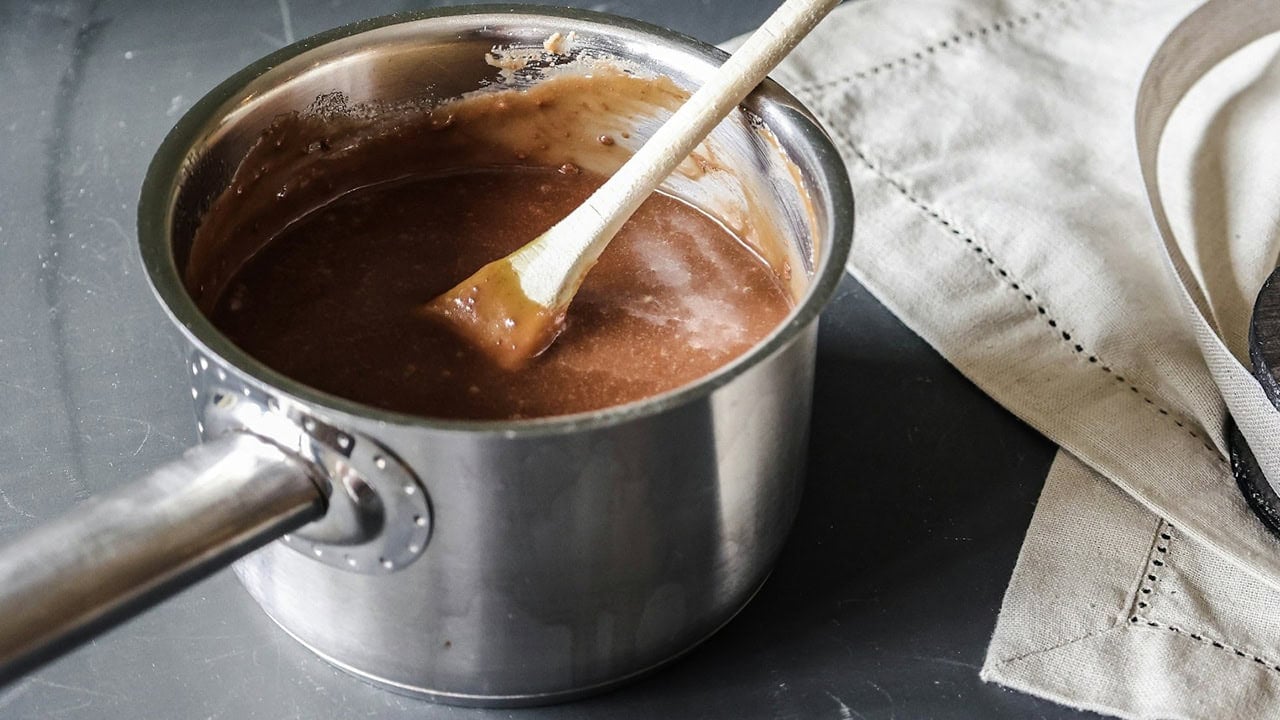
Store gravy and sauces separately from meats and potatoes so you can reheat without sog. Keep stuffing and roasted vegetables dry; add any butter or broth at reheat time.
For pies, leave the whipped topping off until serving. Texture is why leftovers disappoint; storing components apart is why yours won’t.
Reheat smarter, not hotter
Microwaves can turn a good plate into rubber. Splash a spoon of water or broth over meats, cover loosely, and reheat at 50–70% power in short bursts. Starches like potatoes and rice love moisture; add a bit of milk or water and stir halfway.
For crisp, use the oven or air fryer at moderate heat. Small habits return food to “good dinner” instead of “something we ate because it was there.”
Spin leftovers into new meals with a formula
Three reliable second-acts keep variety up and costs down:
- Tortilla route: chopped turkey or ham, leftover veg, and a smear of cranberry or mustard in quesadillas or wraps.
- Soup route: diced meat, a handful of stuffing as dumplings, and chopped green beans in a quick broth; finish with lemon.
- Bake route: shepherd’s pie with mashed potatoes on top, or a strata using torn rolls, eggs, and any cheese.
Write the route on your tape label so future-you doesn’t stand in front of an open fridge stumped and hungry.
Freeze the right way when you won’t use it
If you won’t eat something in three days, portion and freeze it now—not next week. Flatten soups and sauces in zip bags so they stack and thaw quickly. Wrap sliced meats tightly in plastic, then in a freezer bag; thin portions defrost faster and reduce waste.
Skip freezing items that don’t come back well—watery salad, fried foods, and cream pies. Aim for “freezer insurance,” not a museum of forgotten containers.
Guard your snacks from the midnight raid
Holiday sweets evaporate overnight. Put cookies and candies in opaque containers, label them for specific events, and move them off the eye-level shelf.
Keep a small “open now” plate available so people aren’t rummaging and half-unwrapping everything else. The goal is to enjoy treats without turning your pantry into confetti.
Stop the stink before it starts
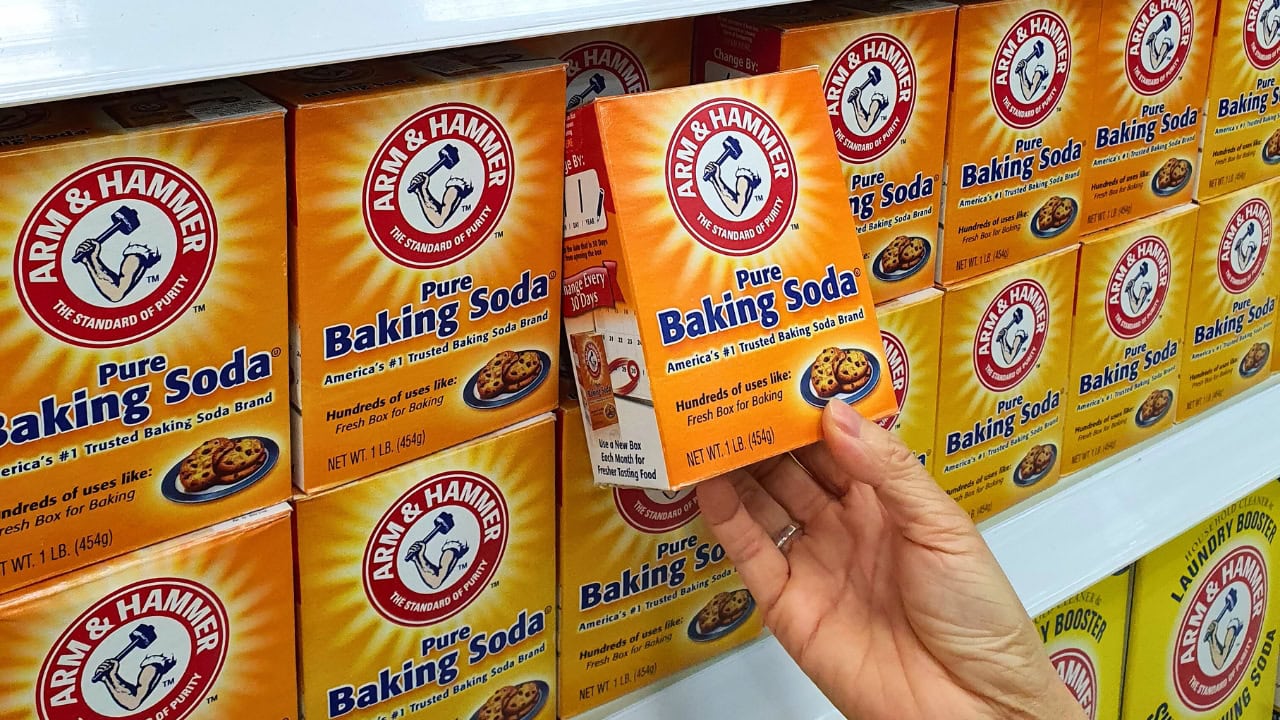
On big-cooking weeks, place a small open box of baking soda in the back of the fridge, and line the crisper with a paper towel layer to catch drips. Wipe shelves with a warm cloth after the first stash is in; it’s easier than waiting until something spills. Smells make people avoid leftovers, which is how they end up in the trash.
Make cleanup part of the plan
Before you plate dessert, set a “leftovers station” on the counter: containers, tape, marker, ladle, and a spoon rest. Guests will help if everything is visible. Assign one person to bag turkey, one to scoop potatoes, one to organize the fridge. You’ll thank your past self at lunch tomorrow when your plate looks like a new meal, not an accident.
Leftovers are free meals if you treat them like ingredients, not clutter. Cool fast, label clearly, separate wet from dry, reheat with moisture, plan new routes, freeze wisely, and keep the fridge calm. That’s how you save the best part of the holiday—without wasting what you paid for.
*This article was developed with AI-powered tools and has been carefully reviewed by our editors.
Leave a Reply