
When you bring home a carton of eggs and toss it in the fridge door or move them to an open tray on the counter, you’re unknowingly speeding up their decline. Your eggs handle this storage trade-off: you either protect their freshness and safety or let them slip into “use sooner” territory. Let’s walk through how to get it right so you get the most from your dozen.
Why where you store eggs matters
Eggs aren’t simple commodities. In the U.S., commercial eggs are washed and sanitized before they hit stores, which removes their natural protective layer (the “bloom”) and leaves their shells more porous. Because of that, eggs need stable cold temperatures to stay fresh and safe.
According to the United States Department of Agriculture (USDA), refrigeration helps extend their shelf life from a few weeks to up to five weeks.
What that means: playing fast and loose with where they go in your refrigerator shortchanges both quality and safety.
The wrong place to put your eggs
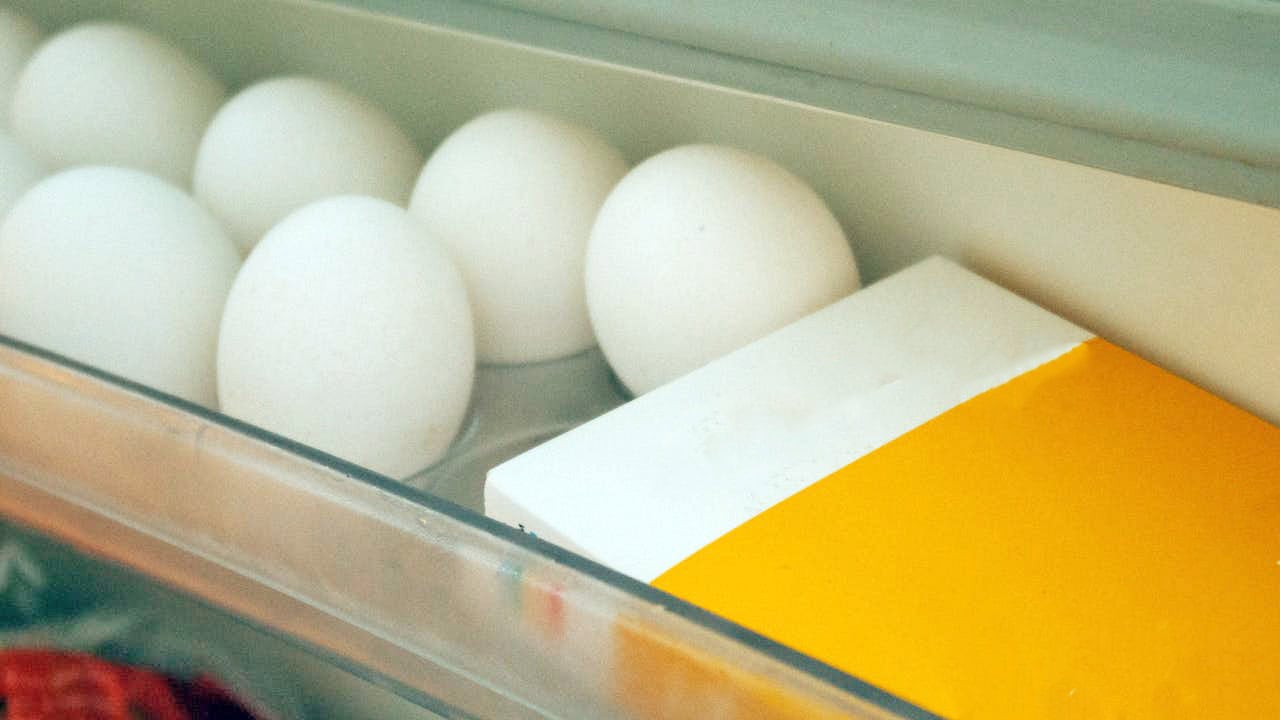
If your eggs live in the fridge door tray or on top of the egg compartment, they’re in the worst possible spot. The door is the warmest part of a fridge and sees the biggest temperature swings. Experts recommend keeping eggs in their original carton and placing them on an inside shelf—ideally toward the back of the fridge where the temperature is coldest and most stable.
When eggs warm up and cool down repeatedly, moisture condenses on the shell, tiny pores open, and bacteria can get in more easily. That’s how your shelf life gets shortened.
What to do when you bring eggs home
Start simple. Keep eggs in the carton they came in—don’t transfer them to a generic egg tray or open container. The carton protects against odor absorption, shell damage, and hidden temperature changes.
Next: place the carton in the main body of your fridge, not the door. Set the fridge temperature to 40°F (4°C) or below to slow bacterial growth and preserve freshness.
Resist the urge to wash eggs before storing them. Cleaning the shell at home removes protective coatings and may introduce moisture—both bad news for storage.
How long your eggs can last—if stored right
With proper storage, raw eggs in their shells can stay good for about 3 to 5 weeks in the fridge—sometimes a little longer if stored in the coldest spot.
Hard-boiled eggs, once cooked, lose much of their natural bloom and protective barrier, so they should be used within a week.
Bottom line: give your eggs the storage conditions they require, and you’ll avoid throwing away dozens of eggs that went bad prematurely.
The hidden cost of poor egg storage

When eggs sit in warm areas or get bumped around in door trays, you’ll notice subtle changes: thicker whites, weaker yolks, less reliable performance in baking—and worse, a greater chance of bacterial invasion. The shell becomes more porous, the air pocket inside grows, and spoilage accelerates.
Over time, you’re paying for eggs that aren’t giving you full value. Whether you’re using them for scrambled eggs, baking, or a hard-boiled snack, they should perform. Poor storage means they won’t.
Smart habits to keep your eggs at their best
Check the packaging: look for a pack date (often a three-digit Julian date) or a “best by” date, which gives you a clue how long you’ve got. Cartons stored properly hail out for up to 4-6 weeks.
Do a quick freshness test when you’re unsure: drop an egg into cold water. If it sinks and lies on its side, good. If it floats, it’s nearing the end of its quality window. But always trust your sense of smell and look—floating isn’t a sure sign of spoilage.
If you buy more eggs than you can use in a few weeks, crack them into a container and freeze properly (with salt or sugar for yolks) rather than leaving them in the shell to waste.
*This article was developed with AI-powered tools and has been carefully reviewed by our editors.
Leave a Reply