
You probably don’t think of yourself as a big spender—but if you’re scared of being wasteful, you might be one without realizing it. When you hate waste, you buy more to avoid it.
You stock up, overprepare, and “invest” in things you think will save money long-term. But instead of protecting your budget, you end up creating clutter and stress.
The fear of waste doesn’t always look like overspending—but that’s exactly what it turns into when guilt is driving your decisions.
You’re trying to avoid regret, not waste
When you grew up hearing “don’t waste money,” you learn to spend carefully—but that can twist into fear. You buy the extra pack “just in case,” keep backups of everything, and spend hours chasing the “best deal.” You’re not afraid of running out—you’re afraid of making the wrong call.
The problem is, trying to avoid regret can make you overbuy. Instead of saving you money, it quietly drains it through excess. Letting go of that need to feel “smart” about every purchase gives you the freedom to buy what you actually need—no more, no less.
You mistake buying in bulk for saving money

There’s a fine line between being prepared and overpreparing. Bulk deals feel smart because the price per item is lower, but if things expire, get lost in storage, or sit unused, you’re wasting money instead of saving it. It’s an emotional comfort, not a financial win.
Try buying what you’ll use in a reasonable amount of time—even if that means paying a little more per item. True saving happens when you’re using what you buy, not when it’s sitting unopened for months.
You overvalue “getting your money’s worth”
When you’ve spent hard-earned money, it’s natural to want every bit of value from it. You hold on to old products, keep using items long past their best, or buy replacements for things that weren’t needed yet—all to justify the expense.
But getting your money’s worth isn’t about squeezing every drop out of what you own—it’s about aligning your spending with your priorities. If something isn’t serving you anymore, it’s okay to stop forcing it to. That mindset shift alone can stop a lot of unnecessary purchases.
You buy better versions of things you already have
If you hate waste, you probably convince yourself that upgrading to a better version makes sense—because it’s a “long-term investment.” But new doesn’t always mean necessary. Sometimes the drive to replace what’s “good enough” comes from guilt that you didn’t buy the right thing the first time.
Instead of replacing, try fully using what you already have. The more you learn to appreciate what works, the less pressure you’ll feel to keep upgrading your way to satisfaction.
You hang on to guilt instead of learning from it
You’ve probably bought things you didn’t end up using—and felt guilty afterward. That guilt can easily lead to overcompensating. You start buying “better” next time, trying to correct the mistake with another purchase. It’s a cycle of guilt, not growth.
The better approach is to pause and ask why that purchase didn’t work out. Did you overestimate how often you’d use it? Was it impulse-driven? Learning from those missteps helps you stop the waste before it starts—no guilt required.
You confuse frugality with control
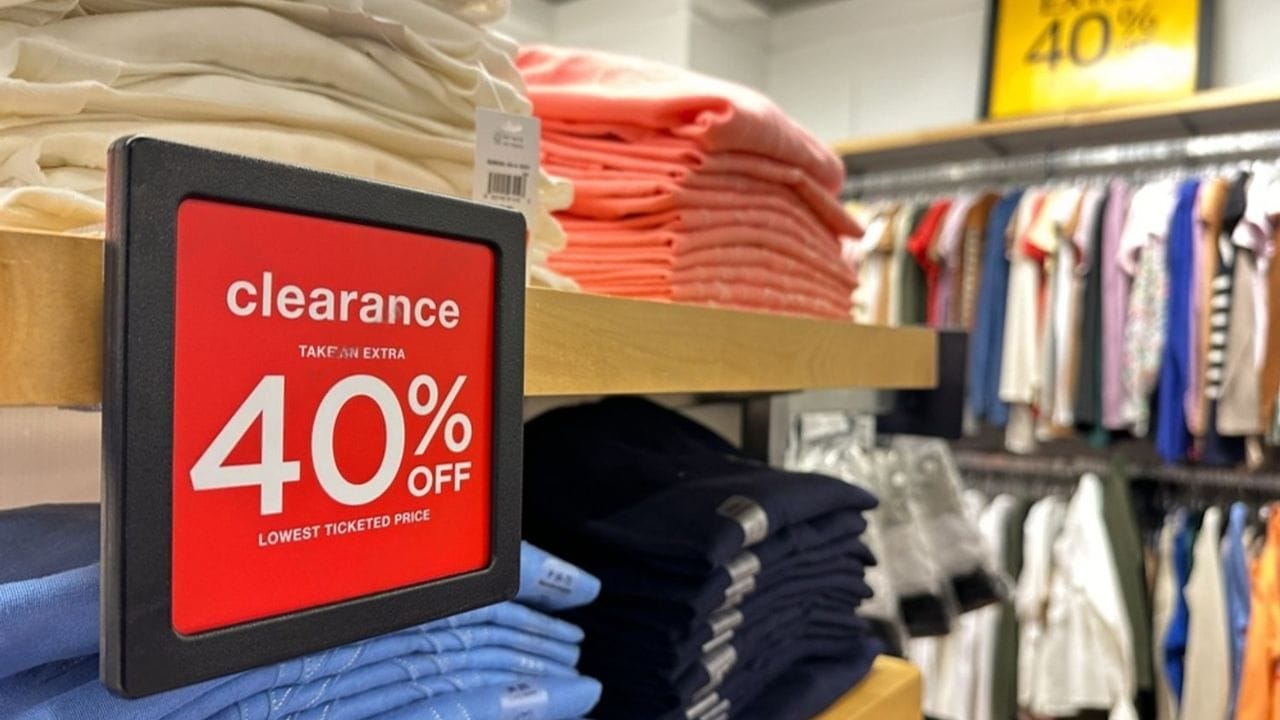
There’s comfort in feeling like you’re “on top of things.” Always being stocked up, having extras, finding bargains—it feels safe. But control and clutter look a lot alike when fear is behind them. That sense of safety comes at a cost: money tied up in stuff you don’t need.
Real control means you can walk past a sale, skip a restock, or say no to “extras” without anxiety. When you learn to stop equating control with consumption, saving gets a whole lot easier.
You’re spending to avoid discomfort
Sometimes, overspending has nothing to do with need—it’s about avoiding an emotion. Buying something new makes you feel responsible, proactive, or secure. You tell yourself you’re being practical, but underneath it all, it’s emotional comfort disguised as frugality.
Instead of buying to quiet that discomfort, sit with it. Remind yourself that you can be responsible without spending, prepared without stockpiling, and secure without excess. That’s how you shift from emotional spending to confident, intentional choices.
You have to trust yourself with less
When you’re scared of waste, having less feels risky—like you’ll end up needing something you didn’t buy. But the truth is, most of the time you won’t. The more you prove to yourself that you can live well with what you already own, the more confident you’ll feel in spending less.
Trust is built in small decisions—buying one instead of three, skipping a backup, waiting before replacing something. Over time, that trust becomes the safety net you used to think only money could give you.
*This article was developed with AI-powered tools and has been carefully reviewed by our editors.
Leave a Reply