
Extra fees, slow security, wrinkled clothes, toiletries tossed at TSA—most carry-on pain comes from the same mistakes. Fix the system once and you’ll move faster, avoid bag charges, and arrive with outfits that actually work.
The goal isn’t to pack tiny. It’s to pack smart: one capsule of clothes, a layout that passes the sizer, and a small set of tools that keep your stuff neat.
Here’s the carry-on build that saves money and time every single trip.
Start with the airline’s real measurements
A bag that “fits most airlines” is marketing, not a guarantee. Look up the inches for your carrier and include wheels and handles. Many hard-sided cases fail by half an inch. If you’re close, pick a soft-sided bag; it flexes into the sizer and into overhead bins on smaller planes. Use a small personal item that truly fits under the seat—backpack over tote—so gate agents don’t tag you for size.
Weigh your packed bag once at home. If the airline posts a carry-on weight limit, you need to know before the counter does.
Build a four-day capsule and rotate
Pick one neutral base (black, navy, or tan) and two accent colors. Pack tops that all match the same two bottoms, plus one light layer and one outer layer that works on the plane and in the city. Shoes are where weight and space explode—wear the bulkiest pair on the plane and pack one lighter pair. Four days of clothes stretch to a week by mixing, washing socks/underwear in the sink, and rewearing layers.
Lay outfits on the bed before they go in the bag. If something doesn’t match at least two other pieces, it stays home.
Use packing cubes and a rigid “tech slab”
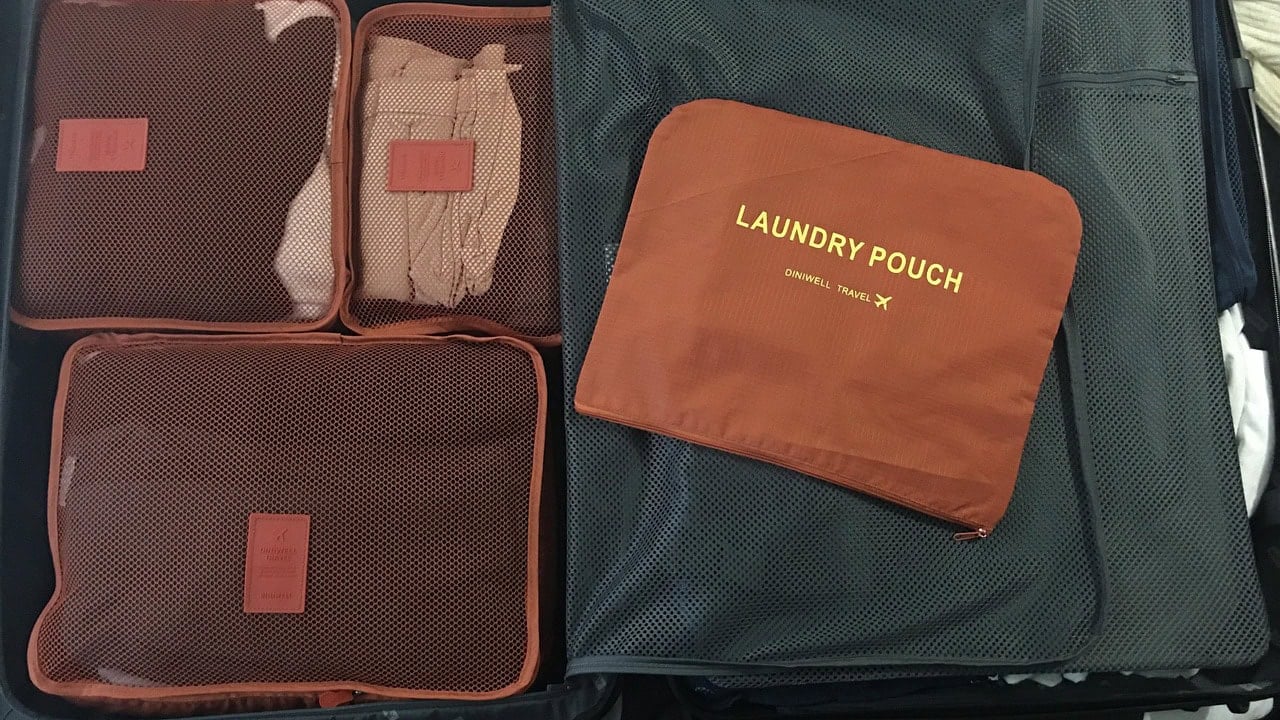
Packing cubes aren’t hype—they’re a filing system. One cube for tops, one for bottoms, one for underwear and socks. Compress lightly; overstuffed cubes wrinkle more. For tech, use a thin rigid case for cables, chargers, and adapters. It slides flat against the bag’s back panel and stops the “cable snake” that gets you secondary screening.
Put the toiletry bag on top with the zipper facing up so you can lift it for security without unzipping half your suitcase.
Switch to solid or decanted toiletries
TSA delays cost money when you miss connections. Use refillable 3.4-oz bottles labeled with painter’s tape or swap to solids for shampoo and conditioner. A leak-proof quart bag, a travel toothbrush, and a pill case for daily meds cover most needs. Keep the bag in an exterior pocket so you can pull it fast. If you bring skincare, decant into tiny screw-top pots; you don’t need the whole jar.
Carry a small laundry bar or concentrated sheets. One quick sink wash lets you pack fewer items overall.
Flatten your bag so it passes the sizer
Over-bulked front pockets are how you get tagged. Put flat items—sweater, scarf, packing folder—toward the front and dense items—shoes, tech case—toward the wheels. Fill dead spaces inside shoes with socks. Use the expansion zipper only at home to pack, then zip it shut before you leave so your bag’s footprint stays within the limit.
Do a practice lift to an overhead shelf at home. If it’s a struggle, it will be worse at the gate.
Put your “seat kit” in the personal item
Nothing slows boarding like rummaging for headphones and snacks. Prepack a flat pouch with passport, wallet, pen, earbuds, charging cables, e-reader or book, lip balm, and sanitizer. Slide it into the outer sleeve of your backpack. When you sit down, pull the pouch and your water bottle and shove the bag fully under the seat. You’ll look put-together and avoid the “please gate-check” announcement.
Include a tiny comfort duo—eye mask and earplugs. Cheap and life-changing on red-eyes.
Pack a claim-proof backup for gate checks
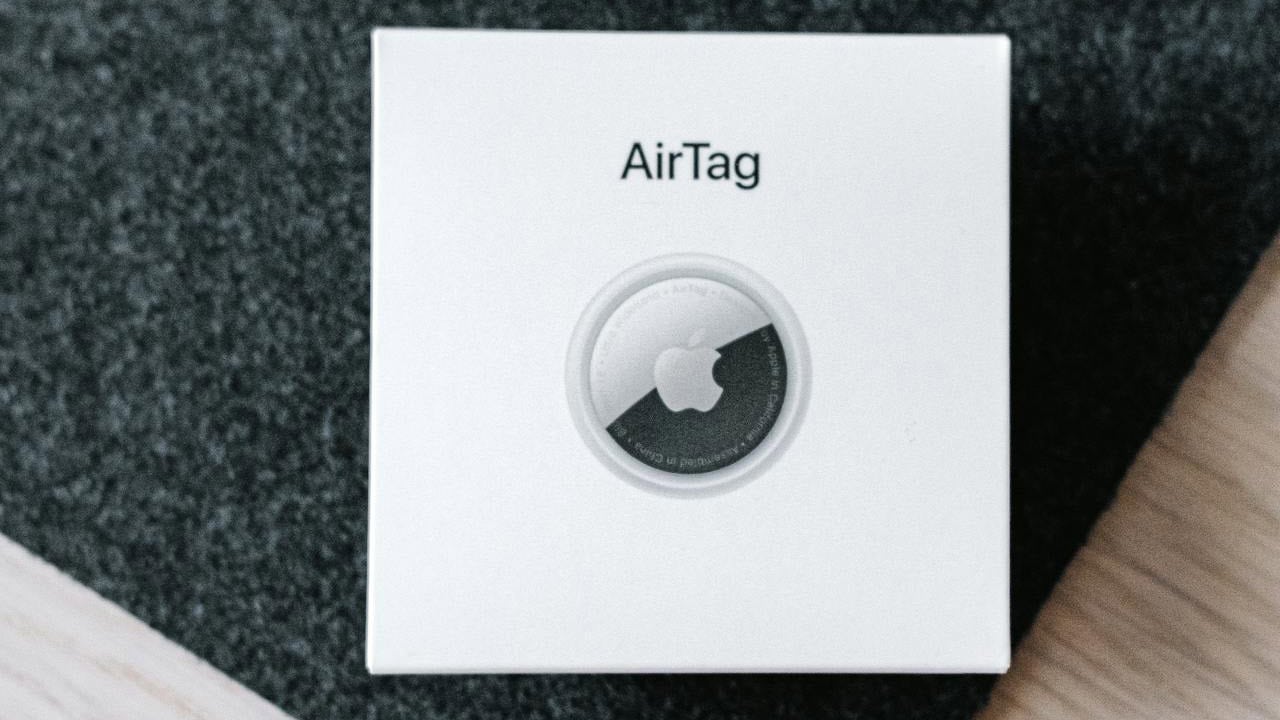
Sometimes overheads fill and they take your bag. Put one spare outfit, meds, and essentials in your personal item so a gate check doesn’t wreck your plans if the bag misconnects. Slip an AirTag or Tile in your carry-on so you can see it on the tarmac and at baggage claim if it gets redirected.
Photograph the bag and note any existing scuffs. If it comes back damaged, you’ll have proof for a quick claim.
Test the whole system on a two-day trip
Before a long vacation, run this setup on a weekend trip. Notice what you didn’t use and what you missed. Adjust the capsule, the cube sizes, and the seat kit. Once your system fits your life, lock it and reuse it. That familiarity is what saves minutes at security, avoids fees at the gate, and keeps your stuff tidy in a small hotel room.
The better your carry-on system, the less you pay and the calmer you feel. You move through the airport faster, you stop buying last-minute toiletries, and you keep your outfits working without stuffing a second bag “just in case.”
*This article was developed with AI-powered tools and has been carefully reviewed by our editors.
Leave a Reply