
Christmas lights are fun until the electric bill hits in January and you feel slightly nauseous. A lot of that “sticker shock” isn’t just the season—it’s how and what you’re plugging in. A few habits add up quietly all month long.
The good news is you don’t have to sit in the dark to save money. You just need to understand where the waste usually happens.
You’re Still Using Old Incandescent Strands
Those older, big-bulb strands or classic incandescent mini-lights use a lot more power than LED versions. One or two strands aren’t a big deal, but once you’re wrapping the house, the porch, and three trees, it adds up.
LED lights cost more upfront but use a fraction of the energy and last longer. Even swapping one area per year—like your outdoor lights first—can make a noticeable difference on the bill without blowing your whole decorating budget at once.
You Leave Them On All Night (And Half the Morning)

It’s easy to flip them on at dusk, forget about them, and finally turn them off whenever you head to bed. Some people even leave them going until the sun is already up. That’s hours of power you’re not actually enjoying.
Plug lights into timers or use smart plugs you can control from your phone. Set them to shut off at a reasonable hour—10 or 11 p.m.—and you’re still getting the “neighborhood glow” without lighting up the yard for the squirrels at 3 a.m.
You’re Plugging Too Much Into One Outlet
Power strips make it tempting to chain strand after strand into a single outlet. Beyond being a safety issue, it often means you’re running more lights than you realize simply because it’s easy.
Walk your setup and count what’s actually plugged in. Decide which areas you really care about and unplug any “extras” that no one sees or notices. You’ll use less power and put less strain on your outlets at the same time.
You’re Decorating Every Room That Has an Outlet
It’s fun to add twinkle lights to kids’ rooms, bathrooms, kitchens, mantels, and stair rails—but once they’re all on at once every night, it’s a lot. Many of those lights are for you, not for people passing by.
Pick your priorities. Maybe you go bigger outside and keep indoor lights to main areas you’re actually in at night. Or keep outdoor simple and focus on the living room. You don’t need every corner glowing for it to feel like Christmas.
Your Outdoor Lights Aren’t Weather-Smart
If strands are old, damaged, or not meant for outdoors, they can short out or work inefficiently. You might find yourself replacing them mid-season and running extra lights where sections are dim or flickering.
Check labels and condition before you hang anything. Use lights rated for outdoor use and toss anything with cracked cords or loose bulbs. Working, efficient lights don’t just look better—they waste less power and are safer to run.
You’re Ignoring Other Energy Hogs During December
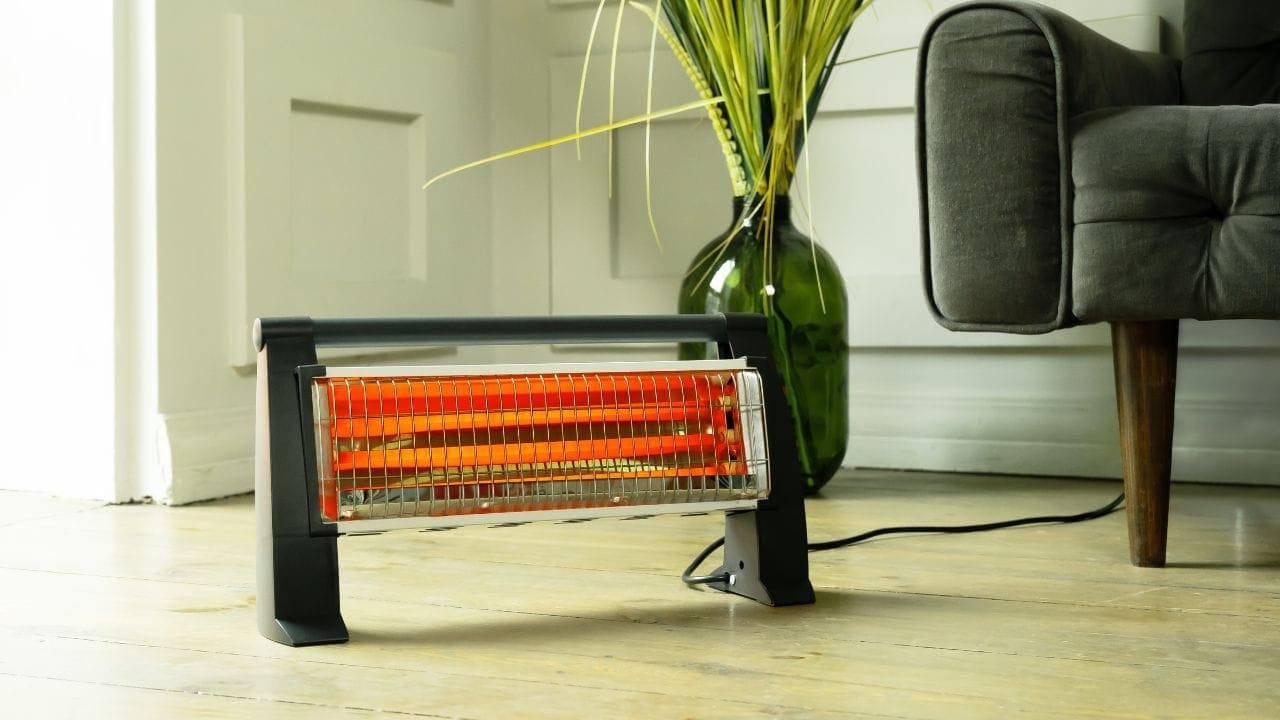
The lights aren’t the only thing running. You’ve got the oven going longer, more people opening the fridge, space heaters on in guest rooms, and the dryer working overtime on towels and sheets.
If you want to offset light usage, look at the rest of your habits. Run full dishwasher and laundry loads, turn down the thermostat slightly when the oven’s blasting, and unplug truly unused items. Small changes together can soften the impact of your seasonal decorating.
You Don’t Know What Your Setup Actually Costs
Sometimes the stress comes from not knowing. In your head, those lights feel like they’re doubling the bill. In reality, a modest LED setup might cost less than you think, especially with timers.
Use an online calculator or your power company’s tools to estimate cost based on wattage and hours used. That way you can make choices based on real numbers, not dread—and trim where it actually matters instead of decorating blind.
*This article was developed with AI-powered tools and has been carefully reviewed by our editors.
Leave a Reply