
You might not notice it, but spending money feels different when you never touch it. Swiping, tapping, and auto-paying make transactions so quick and painless that you barely register what you’re losing.
It’s convenient—too convenient. And that’s exactly why so many people end up spending more than they ever did with cash in hand.
You don’t “feel” the loss anymore
When you pay with cash, you watch money physically leave your hands. It makes you think twice before spending it. But with cards or phone payments, that connection disappears. The brain doesn’t register a swipe the same way—it feels less like spending and more like pressing a button. That tiny shift in perception adds up fast.
Digital payments make everything feel smaller
A $7 coffee doesn’t sound like much when it’s a tap on your phone, but if you had to hand over a five and two ones every morning, it would hit differently. Digital payments separate you from the weight of those decisions, and companies know that. They design checkout systems to make spending feel effortless.
Auto-pay makes overspending easy
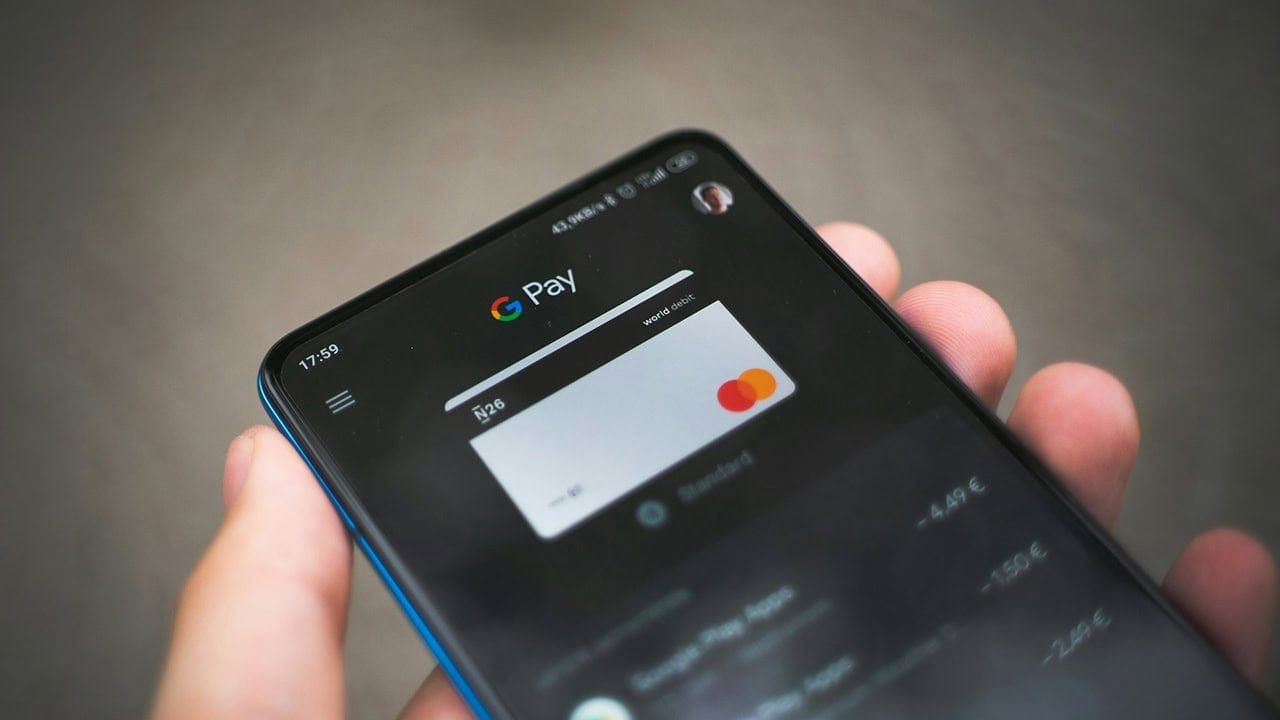
Automatic payments for streaming, memberships, and subscriptions make life simpler—until you forget what’s actually being charged. Most people have at least one auto-payment they haven’t used in months. Without physical reminders, it’s easy for small recurring costs to pile up in the background.
The “add to cart” trap
Online shopping removes every natural pause between wanting something and buying it. You don’t walk aisles or dig for cash—you click once, and it’s yours. The delay that used to help you reconsider is gone. Before you know it, you’re spending more on things you barely remember ordering.
Rewards cards blur your judgment
Cashback, points, and miles make you feel like you’re getting rewarded for spending. But that mindset leads to buying things you wouldn’t have otherwise. You might be earning 2% back, but you’re still spending 100%. Cash never tempted you with perks—it kept you grounded in reality.
You track less when it’s invisible
When you pay in cash, you can literally see when the envelope gets thin. With digital payments, your balance is hidden behind an app you rarely check. That distance makes it easy to underestimate what you’ve spent until the bill shows up. And by then, it’s too late to change it.
Convenience has a cost
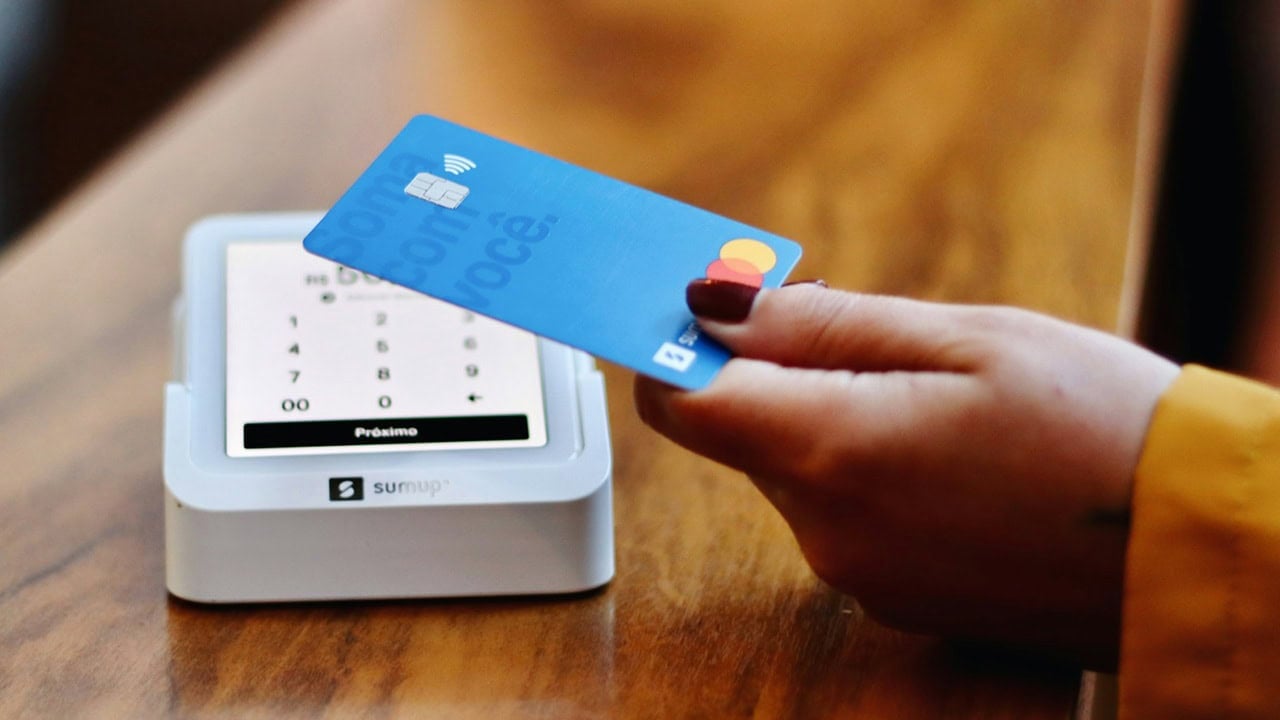
Using digital payments isn’t bad—but you have to recognize the trade-off. Convenience removes friction, and friction is what keeps you mindful. Even setting one category—like groceries or eating out—to cash again can make you more aware of where your money’s going.
Rebuilding awareness
You don’t have to ditch your debit card, but try adding friction back into your routine. Check your balance before every purchase, or keep small amounts of cash for daily spending. When you reconnect with the physical value of money, you naturally start spending less—without feeling deprived.
The switch from cash to digital didn’t make you reckless; it made you disconnected. But once you notice the difference, you can take back control. Spending should feel real again—and that’s what helps you make smarter decisions.
*This article was developed with AI-powered tools and has been carefully reviewed by our editors.
Leave a Reply