
You found the drip under the sink or the running toilet and finally got it handled. That’s good. But most “money leaks” in a house aren’t only about water. They’re about the habits and systems around it that keep wasting money silently even after the obvious problem is gone.
If the bill is still higher than you think it should be, here’s where to look next.
Hidden toilet and faucet leaks
Sometimes a toilet doesn’t run loudly; it just seeps a little water past the flapper. Faucets can drip so slowly you tune it out. Do a quick test: put food coloring in the toilet tank and wait 15–20 minutes without flushing. If color shows up in the bowl, you still have a leak. Check every toilet and any “barely dripping” tap.
Old fixtures that use way more water than needed
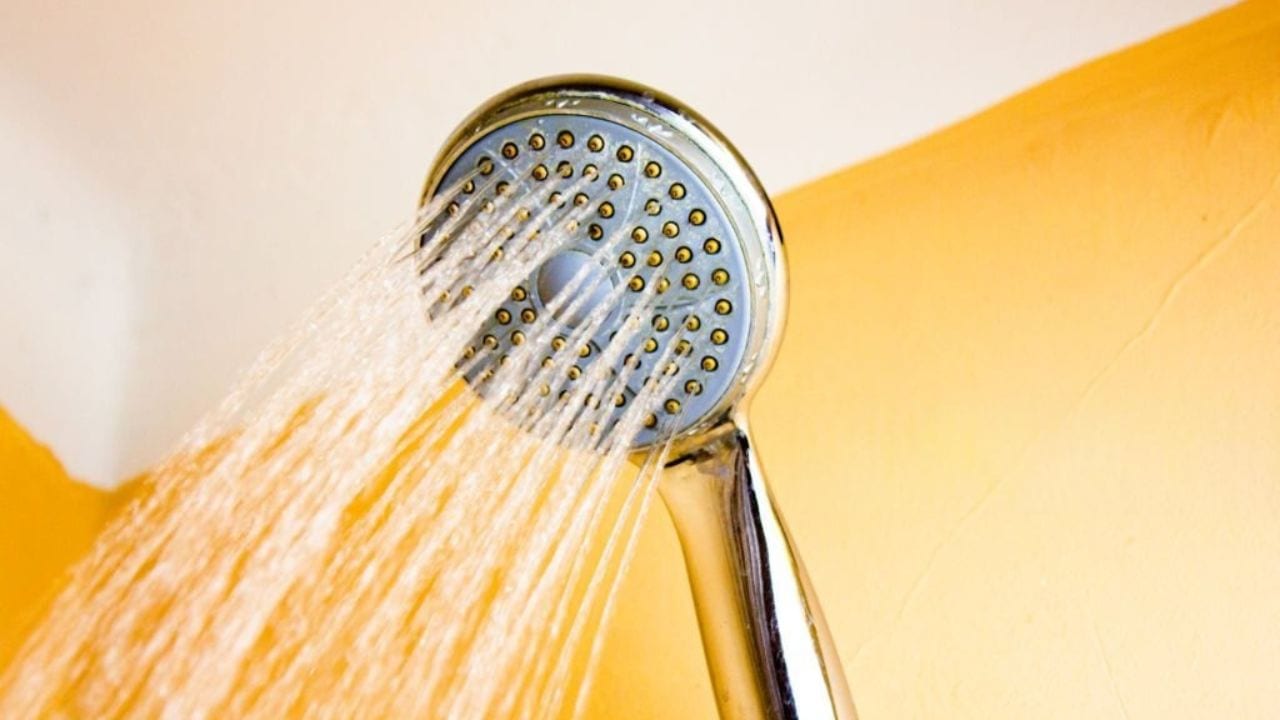
Even if nothing is leaking, older showerheads and faucets often use far more gallons per minute than newer low-flow versions. Swapping them is usually cheap and doesn’t hurt water pressure as much as people fear. You use the shower every day; a small change there goes further than obsessing over one-off drips.
Hot water that takes the long route
If you have long pipe runs or a water heater set too low or too high, you waste water waiting for it to warm up. Insulating hot water lines near the heater and setting the tank to a sensible 120°F can cut both water and energy waste without changing how your shower feels.
Habits that stayed the same
A fixed leak doesn’t fix long showers, running the dishwasher half-empty, or letting the water run while you scrub dishes or brush teeth. None of those have to become boot camp rules, but simple tweaks—shorter showers a few times a week, only running full loads—show up pretty quickly on the bill.
Appliances that were never very efficient
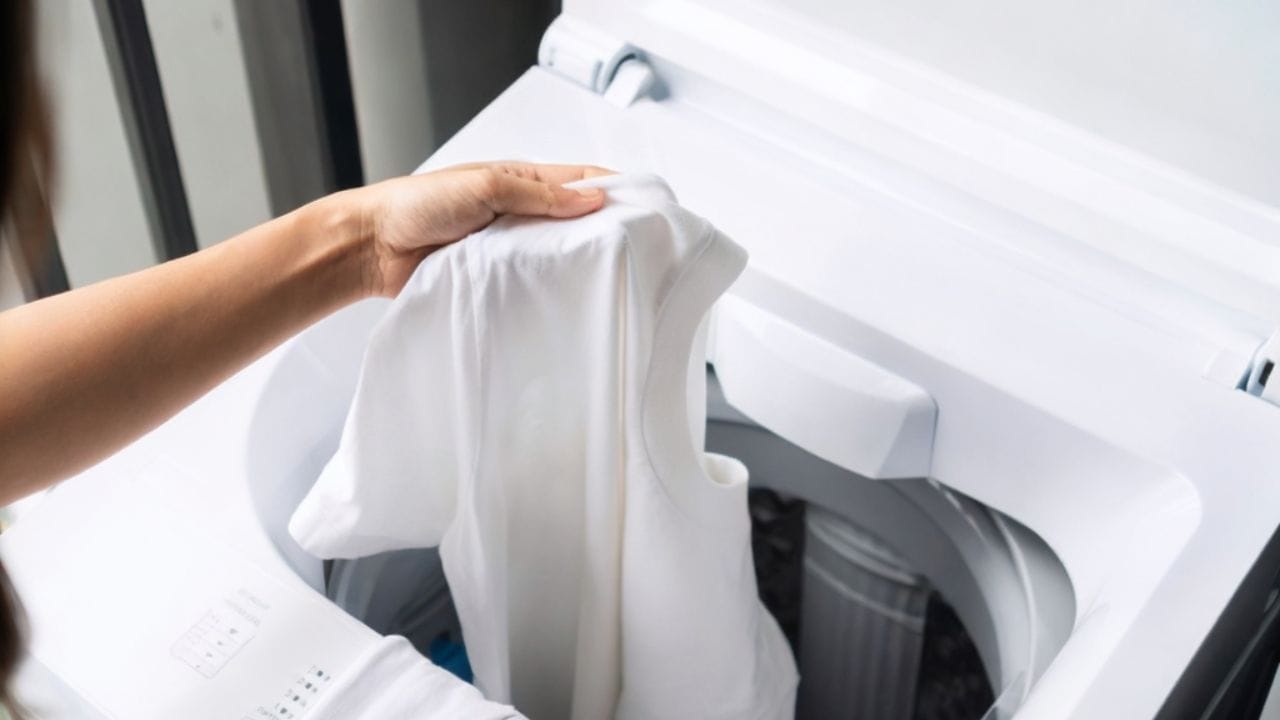
Old top-load washers, dishwashers that use a ton of water, or an ancient water heater can eat everything you “saved” fixing a leak. If your equipment is older, start pricing replacements now and watch for sales instead of waiting for something to die. Sometimes the cheapest monthly move is upgrading on purpose.
*This article was developed with AI-powered tools and has been carefully reviewed by our editors.
Leave a Reply