
So you moved into a smaller place, expected your bills to drop, and… they didn’t. That’s frustrating. A lot of people assume “smaller house = cheaper everything,” but your square footage is only one piece of the puzzle. Rates, leaks, old equipment, and habits all stack up quietly in the background.
If you feel like your budget hasn’t caught up with your downsized life, here’s where to look before you start thinking you made a mistake.
Check your rates, not just your usage
You can absolutely use less power or water and still pay more if your actual rate is higher. Different towns, co-ops, and providers charge wildly different fees. Pull out a recent bill from your old house and your new one and compare the rate per kWh, per gallon, and the “customer” or “delivery” fees. Sometimes the smaller house is strapped to a pricier provider or a new tier that wipes out your savings.
Look for drafts and poor insulation
Tiny houses can still leak heat like crazy. If your windows are drafty, your attic isn’t insulated well, or you’ve got gaps around doors, your heater or AC is going to run nonstop. Do a quick check: can you feel cold air around outlets, baseboards, or under doors? Simple fixes like weatherstripping, outlet gaskets, and a weekend in the attic adding insulation can impact your bill more than you’d think.
Pay attention to the age of your systems
A small home with a tired HVAC unit, old water heater, and ancient fridge can cost more than a bigger place with newer equipment. If your new house came with “whatever was already here,” look at the age and efficiency ratings on major appliances. Sometimes upgrading one old energy hog does more for your monthly bill than anything else you can cut.
Check how you’re using hot water

Hot water is sneaky. Long showers, running small loads on hot, and a water heater set way higher than needed all pile up. Try dropping the temperature to 120°F, washing most laundry in cold, and timing showers. You don’t have to live like a campground, but tightening up here can make a real dent in your bill.
Look for “set it and forget it” devices
Routers, old TVs, game consoles, garage fridges, extra freezers, plug-in air fresheners, and always-on lights quietly sip power all month. Walk around your new place once at night: what stays glowing? Put non-essentials on power strips, unplug what you don’t actually use, and consider if that second fridge or freezer is really earning its keep.
Don’t forget property taxes and insurance
Your “bills” might feel high because the non-utility part didn’t drop as much as you expected. A smaller house in a higher-tax area or on more land can still hit your escrow hard. Same with insurance: certain zip codes, roof materials, and claim histories push rates up. It’s worth shopping those around even if you already closed on the house.
Zoom out and watch a full year
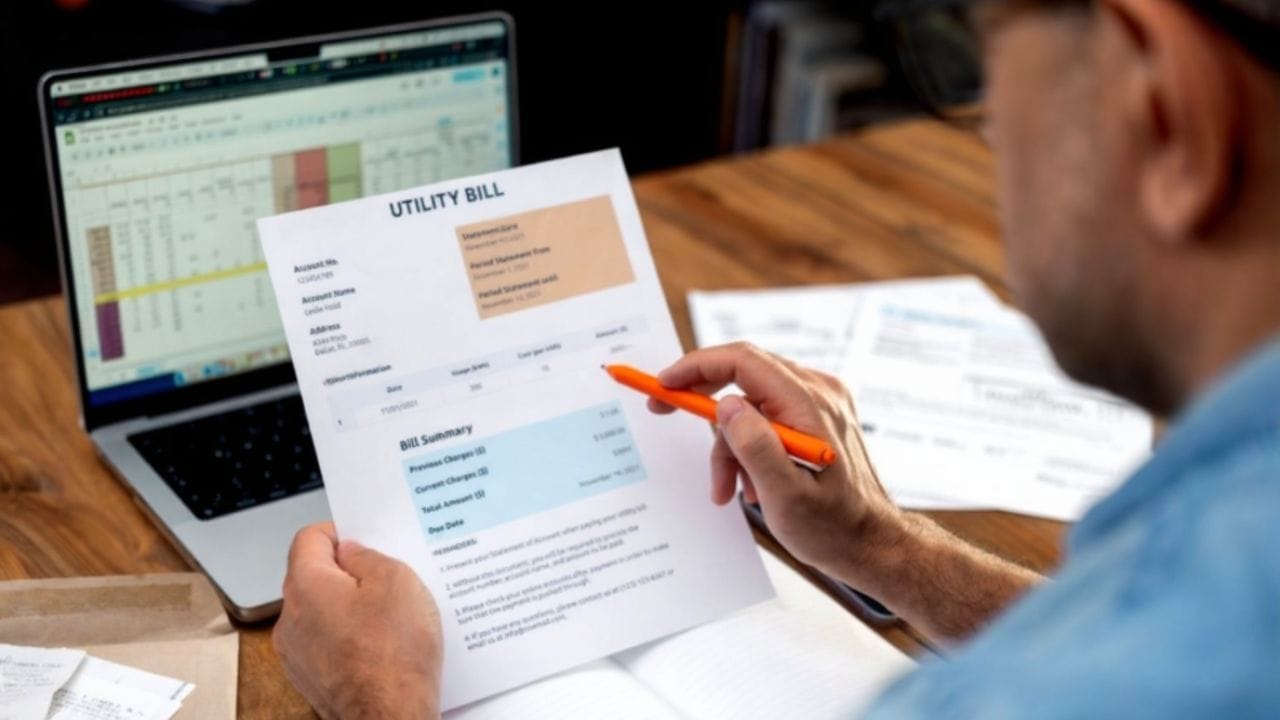
Downsizing almost always pays off over time, but it doesn’t always show up instantly on one bill. Track your actual totals for a full year in the new house—utilities, taxes, insurance, and maintenance—then compare them to your old place. Once you’ve fixed the obvious leaks and tightened a few habits, you’ll have a clear picture of what you’re really saving.
*This article was developed with AI-powered tools and has been carefully reviewed by our editors.
Leave a Reply