
People like to call old-fashioned living “extreme” now—cooking from scratch, hanging clothes on the line, saving glass jars, or skipping takeout altogether. But if you asked your grandma, she’d tell you that’s just how life worked.
She didn’t think she was doing anything special; she was doing what needed to be done. Somewhere along the way, we started confusing basic resourcefulness with hardship.
Your grandma didn’t waste what she could reuse
If something could be fixed, patched, or repurposed, it was. Butter tubs became leftovers containers, old towels turned into rags, and worn-out shirts found new life as quilts. None of that was about aesthetics—it was practicality. Today, we toss and replace out of convenience, but those habits quietly drain your budget over time.
She knew small savings add up faster than big splurges
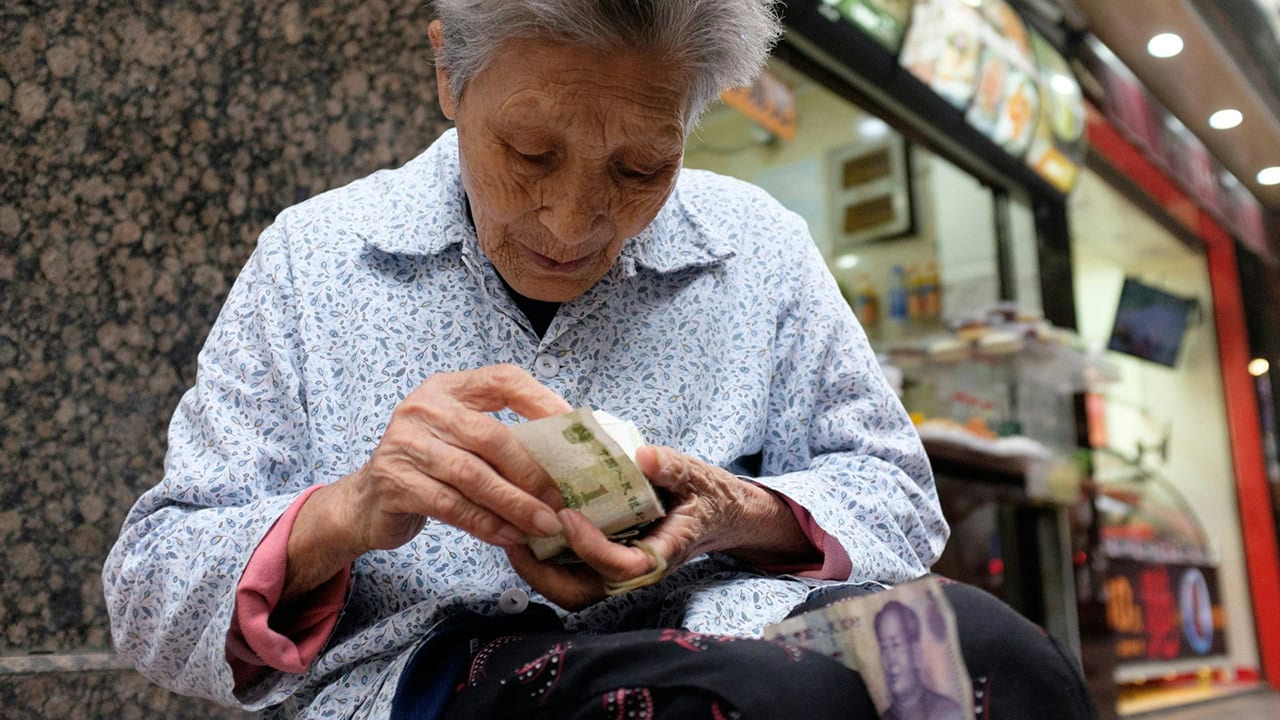
Big paydays and bonuses might look exciting, but they don’t last if you nickel-and-dime yourself every day. Your grandma understood that the little things—the lights off in empty rooms, the meals made from pantry staples, the clothes worn until they truly wore out—built real stability. She didn’t call it budgeting. She called it being careful.
Getting by meant being proud of what you could do yourself
Cooking, sewing, gardening—those weren’t hobbies; they were skills that saved money. They made her capable. These days, those same things get labeled as “DIY” trends, but back then, it was common sense. There’s freedom in knowing you don’t have to outsource everything.
She didn’t spend to prove she was doing well

Your grandma didn’t care about having the latest thing—she cared about having what worked. There wasn’t pressure to keep up, because everyone was in the same boat. Today, comparison and convenience make people overspend without realizing it. But when you stop caring about appearances, you end up with a lot more peace—and a lot more left in your account.
“Extreme” was survival, not a lifestyle choice
Your grandma’s kind of “extreme” was cooking three meals a day, stretching a dollar, and saving for a rainy one. It wasn’t glamorous, but it worked. Those habits built homes, raised families, and paid off debts long before online budgeting tools existed. So, no—it’s not extreme. It’s efficient, and it’s how most of us could stand to live again.
*This article was developed with AI-powered tools and has been carefully reviewed by our editors.
Leave a Reply