
You might not think twice about how often you use your makeup brushes, but those soft bristles are doing more than blending foundation—they’re collecting oil, skin cells, and bacteria every single time they touch your face.
Even if your brushes look clean, they can still be teeming with buildup that causes breakouts, irritation, and dull-looking skin. The good news? Fixing it doesn’t take fancy products or an overhaul of your routine. It’s all about consistency and the right cleaning method.
Your skin oils and product buildup create the perfect breeding ground
Makeup brushes are magnets for oils, foundation, powder, and dead skin cells. When you use them daily, that mixture collects deep in the bristles where it stays damp for hours. Add a little warmth from your bathroom or vanity lighting, and you’ve got a perfect home for bacteria.
That buildup doesn’t just sit there—it transfers right back onto your skin with every swipe. It clogs pores, spreads bacteria, and can even make your makeup harder to apply smoothly. If your foundation suddenly starts looking patchy or streaky, your brushes are probably overdue for a wash.
Quick clean sprays aren’t enough
Those instant brush-cleaning sprays are convenient, but they don’t replace a real wash. Sprays remove surface color and sanitize lightly, but they can’t reach the product buildup and bacteria deep inside the bristles.
Think of them as a quick fix between real cleans. They’re great when you need to switch colors or freshen up your tools before a night out, but they won’t keep your brushes hygienic long-term. You still need soap and water to break down what’s hiding inside.
Most people don’t wash their brushes nearly enough
If you can’t remember the last time you cleaned your brushes, you’re not alone. Most people go weeks or even months between washes. But dermatologists recommend cleaning face brushes once a week and eye brushes every few days, especially if you wear makeup daily.
Dirty brushes don’t just impact your skin—they also wear out faster. Oils and old product break down the glue that holds bristles in place, making them shed and lose shape. A quick weekly rinse can actually make your brushes last years longer.
The best way to deep clean makeup brushes
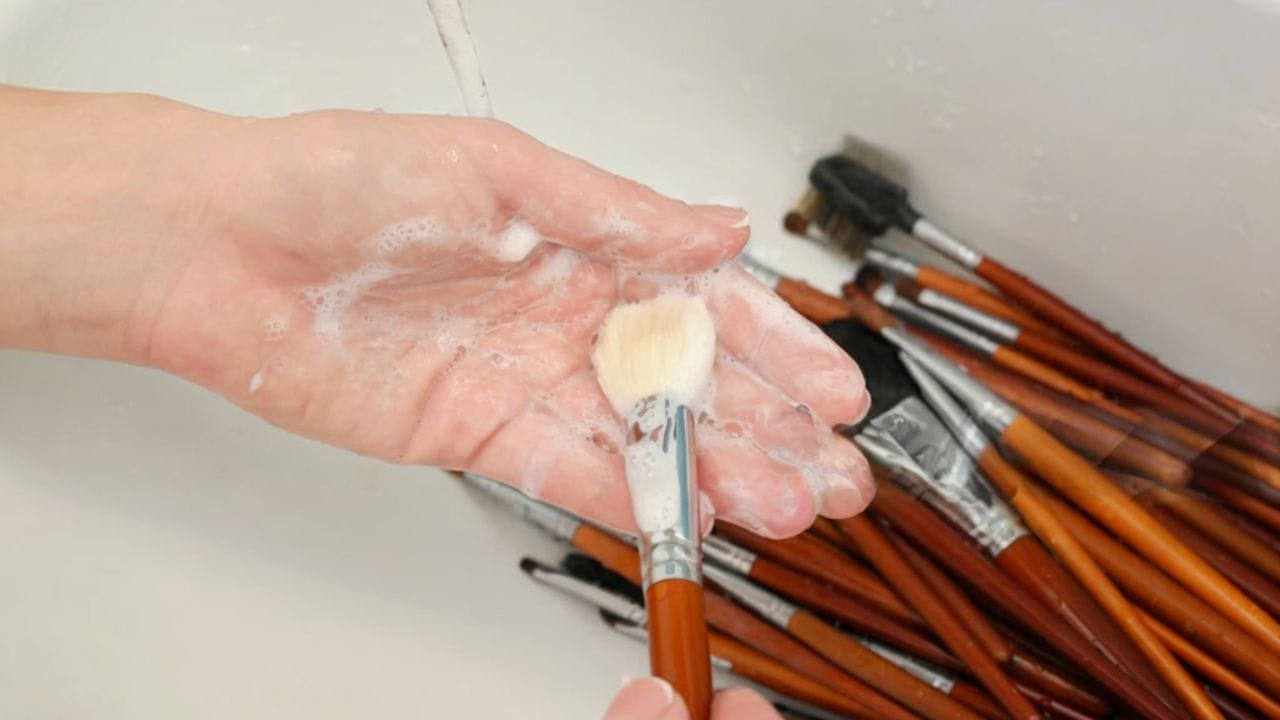
You don’t need expensive brush cleansers—mild dish soap or baby shampoo works perfectly. Add a few drops to warm water, swirl the brush in your palm, and rinse until the water runs clear. Be sure to hold the brush with the bristles facing down to avoid getting water into the ferrule (the metal part), which can loosen the glue over time.
Once clean, reshape the bristles and lay the brushes flat on a towel to dry. Avoid standing them upright while wet—that lets moisture run into the handle and can cause mold or damage. If your brushes take more than a day to dry, you’re probably using too much water during rinsing.
Your storage setup matters more than you think
Even perfectly clean brushes won’t stay that way if they’re stored in the wrong place. Bathrooms, especially those without good ventilation, are humid enough to encourage bacterial growth. Every shower or sink splash adds moisture your brushes don’t need.
Try keeping them in a dry drawer or upright container away from steam. If you store them in an open cup, make sure it’s far from where you brush your teeth or wash your face—because bacteria from splashing water can travel farther than you think.
Some brushes hold onto bacteria more than others
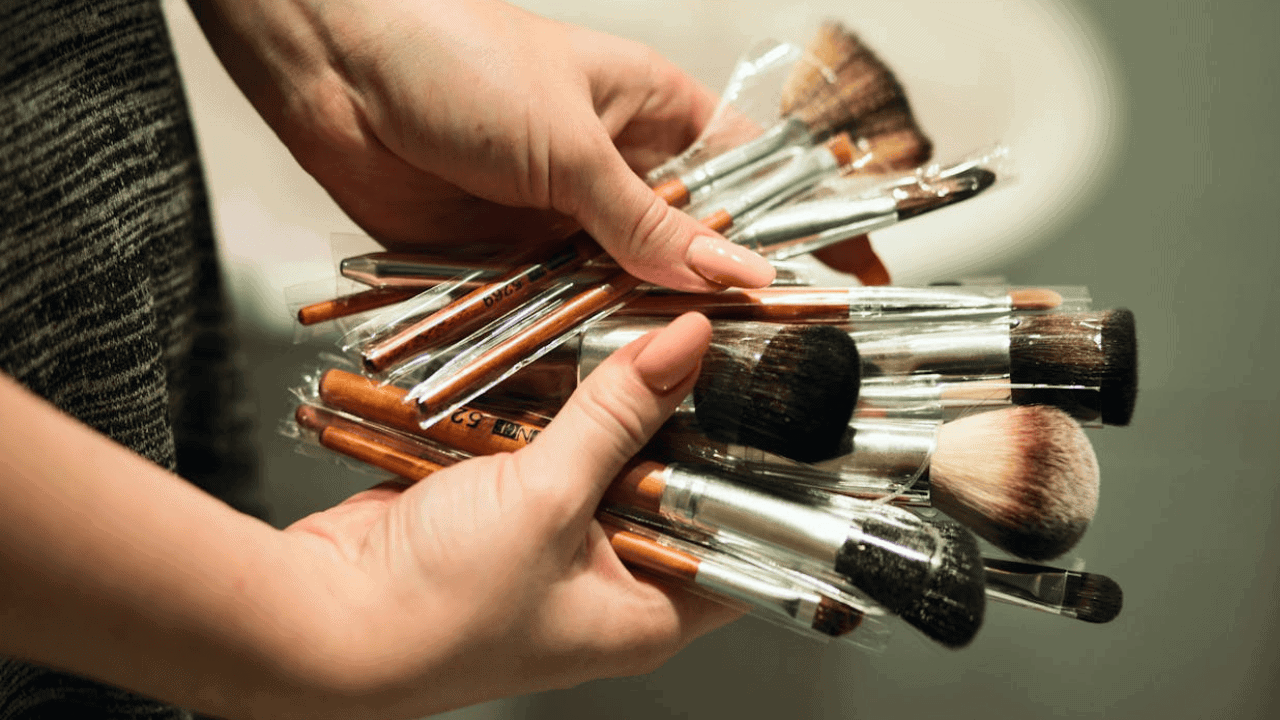
Synthetic brushes tend to trap less bacteria than natural hair ones because they’re less porous. That doesn’t mean you can skip cleaning them, but they’re often a better choice if you’re acne-prone or have sensitive skin.
Natural bristles are great for blending, but they can hold onto oils longer and take more effort to clean thoroughly. If you use both types, give your natural bristle brushes a little extra attention during cleaning—they’ll need it.
Regular cleaning keeps your skin clearer and your makeup smoother
When you make brush cleaning part of your routine, you’ll notice your makeup goes on easier, lasts longer, and looks more even. Your skin will thank you too—fewer clogged pores, less irritation, and less bacterial spread from one day to the next.
You don’t have to scrub every night, but picking one day a week to give your brushes a proper wash makes a huge difference. A few minutes of cleaning can save your skin from weeks of irritation and keep your tools working like new.
*This article was developed with AI-powered tools and has been carefully reviewed by our editors.
Leave a Reply