
You’ve probably had this happen: you’re standing at checkout, the total flashes on the screen, and it doesn’t look bad. You swipe, bag, go home feeling responsible—and then later, you check your bank account and wonder where all your money went.
Even when you’re sticking to a budget, that disconnect can make it feel like the numbers never quite add up. The problem isn’t your math—it’s how spending feels in the moment versus what it does behind the scenes.
Small totals add up faster than you realize
The human brain is wired to think in single transactions, not totals. A $12 lunch here, a $25 Target run there—it doesn’t feel like much. But when those “small” purchases stack up five or six times a week, they quietly erase your buffer.
The reason it feels harmless at the register is because you’re not seeing the big picture. Each individual purchase fits within your comfort zone, but collectively, they start to eat away at what you’ve already budgeted. Tracking every swipe for a week will show how fast “minor” expenses pile up. Most people are shocked when they finally see the total.
You’re budgeting for categories, not real habits
Budgets often look great on paper but fall apart in real life because they’re too broad. You might have a $400 grocery budget, but that doesn’t account for last-minute snacks, takeout nights, or restocking cleaning supplies that sneak into the same cart.
When your categories don’t match how you actually spend, it creates a false sense of control. You feel like you’re staying within budget when you’re not. Breaking your spending into smaller, more realistic groups—like separating groceries, household items, and dining—gives you a clearer view of what’s really draining your account.
You’re chasing short-term satisfaction

Buying something, even something small, gives you a hit of relief. It makes you feel productive, rewarded, or more in control. That’s why the total can feel “fine” in the moment—it satisfies an emotional need. But once that moment passes, the financial side catches up.
Online shopping makes this worse because it removes the physical sense of loss that comes from handing over cash. If you tend to spend impulsively after a stressful day or while multitasking, you’re not alone. Most overspending happens when emotions, not needs, are in charge. Recognizing those triggers helps you slow down before you click “checkout.”
You’re forgetting about pending charges
One sneaky reason your account looks worse than expected is delayed transactions. Gas stations, online retailers, and even restaurants sometimes hold a lower amount before the real charge posts later. You might think you have more money left than you do.
The fix is easy—treat your checking account like it’s already a few days behind. Subtract purchases manually in a notes app or keep a running list. That way, you’re not relying on a bank balance that hasn’t caught up yet.
Sales and deals trick your brain
It’s easy to feel like you’re winning when you buy something on sale, even if you didn’t need it. Your cart total might be lower than retail, but it’s still money leaving your account. The brain processes discounts as savings, not spending, so you walk away thinking you spent less than you did.
If you catch yourself stocking up because “it’s a good deal,” pause and ask how long it’ll actually last you—or if it’ll end up unused. Real savings come from buying fewer things, not discounted ones you don’t need yet.
You’re not mentally accounting for automatic charges
Streaming subscriptions, memberships, apps, and recurring services quietly drain your budget month after month. Because they don’t show up in a checkout total, they’re easy to forget until your bank account reminds you.
Go through your subscriptions quarterly and cancel what you don’t use regularly. Then add the rest as a fixed expense in your budget, not an afterthought. Seeing them listed makes the true cost of your lifestyle clearer—and helps prevent those “how did this happen?” moments.
You’re rewarding yourself for being “good”
You might skip a big purchase and feel so proud of your self-control that you end up spending that same amount across smaller rewards—a coffee here, a candle there. It still drains your account, but it doesn’t feel like it because you’re spreading it out.
If you want to treat yourself, do it intentionally. Set aside a small “fun” fund every month. That way, when you buy something extra, you can actually enjoy it without guilt or confusion later.
You’re not seeing your real-time spending
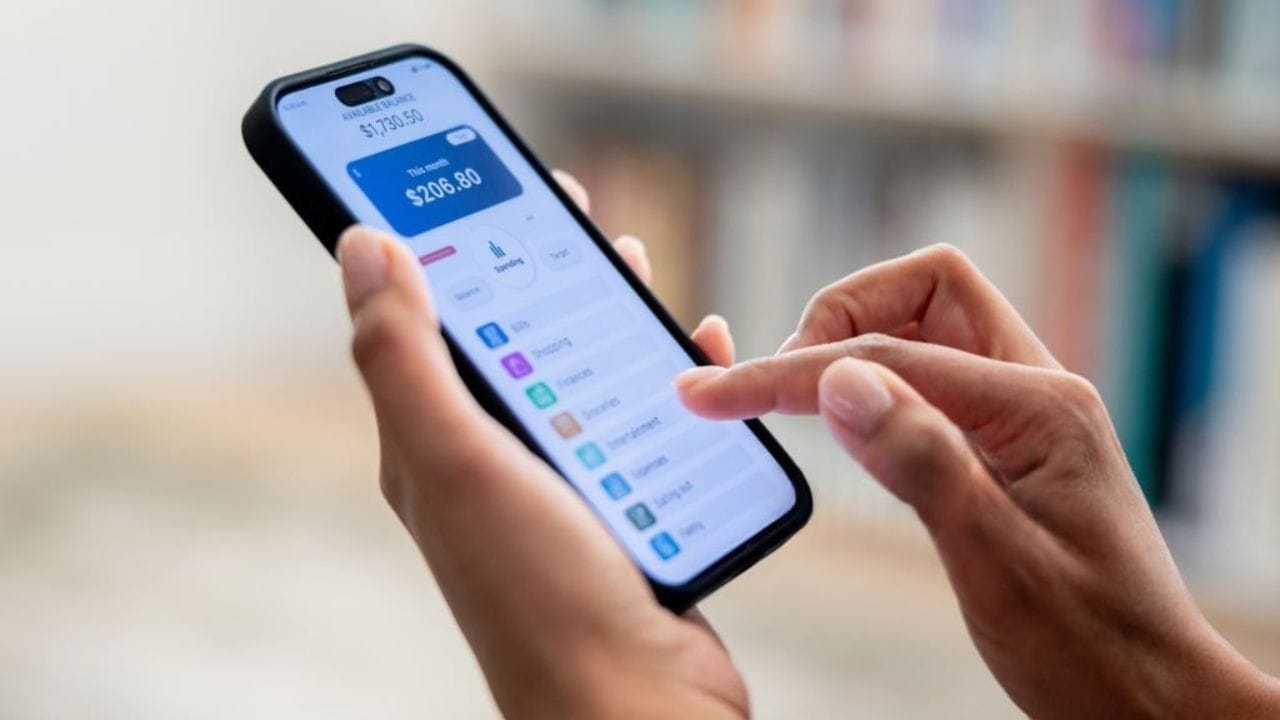
Budgets that live on paper or in your head don’t keep up with daily life. When you’re not tracking your spending as it happens, your brain fills in the gaps with rough estimates—and those estimates are usually wrong.
Using a real-time tracking app, or even checking your account every evening, keeps you grounded in the actual numbers. It takes five minutes, but it prevents that end-of-week surprise when your “fine” spending adds up to way more than expected.
Your cart total feels fine because each purchase feels isolated. The shock comes later, when reality adds them all together. Once you start tracking habits instead of transactions, you’ll see the patterns that make your bank balance drop faster than you thought. Awareness doesn’t stop spending completely—but it’s the first step toward making sure your money goes where you actually want it to.
*This article was developed with AI-powered tools and has been carefully reviewed by our editors.
Leave a Reply