
You work hard. You put in the hours, juggle responsibilities, and still somehow end up wondering where your money went. It’s not laziness or lack of effort—it’s that effort alone doesn’t always translate into financial progress.
The truth is, most people were never taught how to make their money work for them, so they keep grinding harder without getting ahead. There are real reasons your paycheck keeps disappearing, and they have more to do with habits, systems, and priorities than hustle.
You were taught to work, not to build
Hard work is honorable, but it’s not the same as building wealth. Most of us were raised to believe that if you show up, do your job, and stay loyal, the money will take care of itself. That might’ve worked decades ago, but the world doesn’t run on that promise anymore.
Wages haven’t kept up with living costs, and loyalty doesn’t come with bonuses. Without learning how to manage, invest, and protect your income, even the hardest work can feel like treading water.
Your income and expenses are fighting each other
If your bills rise as fast as your paycheck, you’ll always feel stuck. Every time you make progress, a new subscription, car payment, or upgraded expense slides in and eats the extra.
Lifestyle creep is sneaky because it feels earned—you work harder, so you spend a little more. But when spending grows at the same pace as your effort, your savings don’t move. The fix isn’t cutting everything—it’s freezing your lifestyle long enough to let your income get ahead.
You think saving happens after spending
Most people spend first and save what’s left—except there’s rarely anything left. Real savings happen the other way around. When you move money into savings or investments before you spend, you’re forcing your habits to adjust around your goals instead of the other way around.
It’s uncomfortable at first, but it’s also what separates people who get ahead from those who stay stuck. You can’t outwork poor money flow—you have to control it before it disappears.
Your money isn’t earning anything
You can’t build wealth by letting your money sit still. If everything you save lives in a checking account, it’s slowly losing value to inflation. It might feel “safe,” but in reality, it’s shrinking every year.
You don’t have to be an investor to make progress—high-yield savings, retirement accounts, or small, consistent investments in index funds all make a difference over time. Letting your money earn while you work means you stop doing all the heavy lifting yourself.
You’re carrying quiet debt
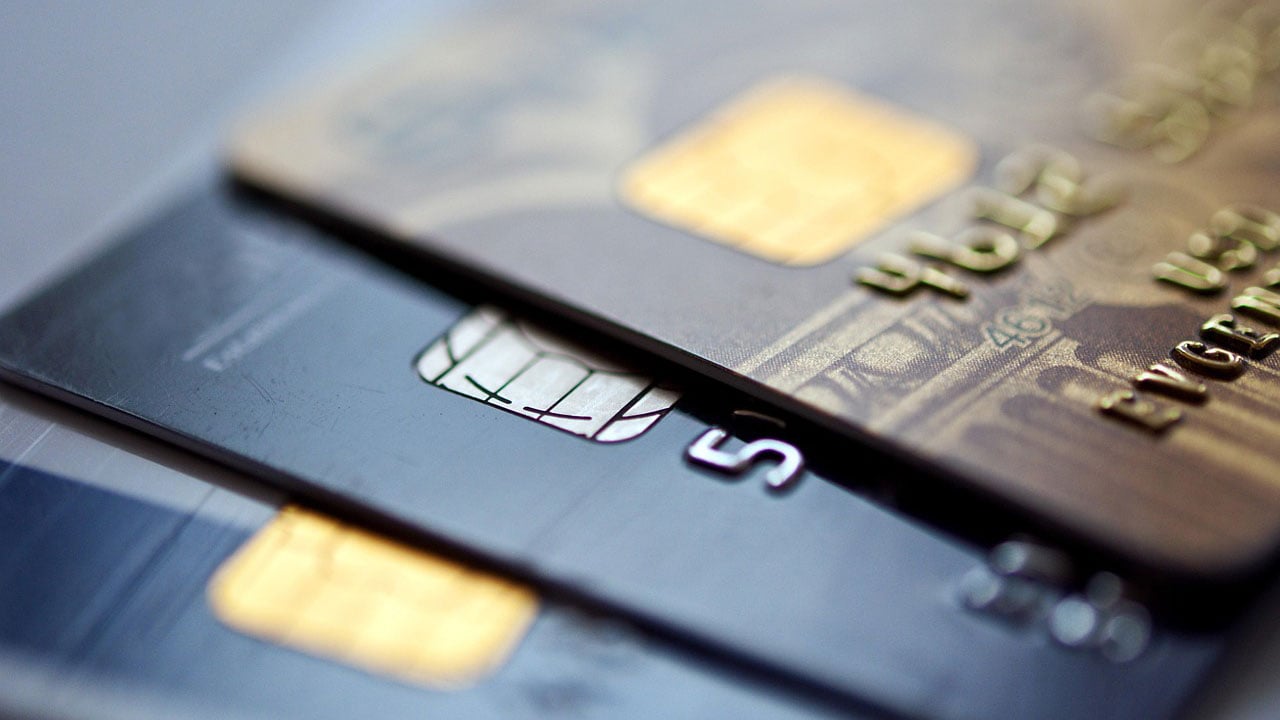
Debt hides in plain sight—credit cards, payment plans, small personal loans. They don’t always look dangerous, but they quietly pull from your paycheck month after month. Even if you’re paying the minimums, interest is stealing money that should be building your future.
Until that cycle is under control, your effort will always feel underpaid. The goal isn’t to live debt-free overnight—it’s to make sure your debt isn’t living off you.
You’re doing everything yourself
Working hard doesn’t mean doing it all alone. People who make financial progress know when to delegate—tax prep, financial planning, even automation. If you’re managing every bill, every account, every transaction manually, you’ll burn out long before you get ahead.
Setting up systems that run in the background—automatic transfers, organized budgets, or even financial coaching—turns progress into something sustainable instead of exhausting.
You measure success by income, not margin
A bigger paycheck feels like success, but what really matters is what you keep. Someone making $50,000 and spending $40,000 is doing better than someone earning $100,000 and spending $95,000.
It’s easy to mistake being busy or well-paid for being secure. True stability shows up when your leftover money grows every month—not just your hours or workload.
You’re rewarding yourself in the wrong ways
You work hard, and you deserve to enjoy life—but rewarding yourself through spending can cancel out your effort fast. New clothes, gadgets, or upgrades feel like small wins, but they drain your long-term security.
The trick is to change what “reward” means. Instead of buying something new, reward yourself by setting something aside—money for travel, home upgrades, or time off. The peace of having options later feels better than any impulse buy today.
You’re too tired to think long-term

When you’re always working, there’s no energy left to plan. You stay stuck in short-term survival mode, paying what’s urgent and ignoring what’s important. But the longer you stay in that cycle, the harder it is to break.
You don’t need a perfect plan—you just need space to breathe and think. Even an hour a week to review your finances, adjust goals, or plan savings gives you a level of control that changes everything.
The system benefits when you don’t pay attention
Modern life is built to make you spend. Auto-renewals, hidden fees, “limited-time offers”—they all rely on you being too busy or tired to double-check. The less attention you give your money, the more easily it slips away.
When you start paying attention, even small changes make a huge difference. You can’t change how fast the world moves, but you can slow down long enough to stop your money from running out before your effort does.
*This article was developed with AI-powered tools and has been carefully reviewed by our editors.
Leave a Reply