
A lot of people were taught to rinse their chicken before cooking, but the truth is, it doesn’t make it cleaner. Washing raw chicken actually spreads bacteria around your kitchen instead of removing it.
When water hits the surface of the chicken, it splashes microscopic droplets that can carry Salmonella or Campylobacter up to three feet away—onto your sink, counters, dishes, and even other foods.
It might look harmless, but those bacteria don’t take much to cause foodborne illness. The only thing that kills them is heat, not water. So even if you rinse the chicken thoroughly, it’s still unsafe until it’s cooked to the right temperature.
Why it became a habit
Washing chicken is one of those old habits that stuck around because it feels right. For decades, home cooks were told to “clean” meat the same way they cleaned produce. In some cultures, washing meat with water, vinegar, or lemon juice is still part of the process—it’s seen as a way to get rid of slime, smell, or residue.
But poultry processing has changed. Modern chicken is already rinsed multiple times during packaging. That film you sometimes see isn’t dirt—it’s natural moisture and protein from the meat. By the time it reaches your kitchen, there’s nothing washing can do that cooking won’t handle better.
Cooking kills bacteria—washing doesn’t
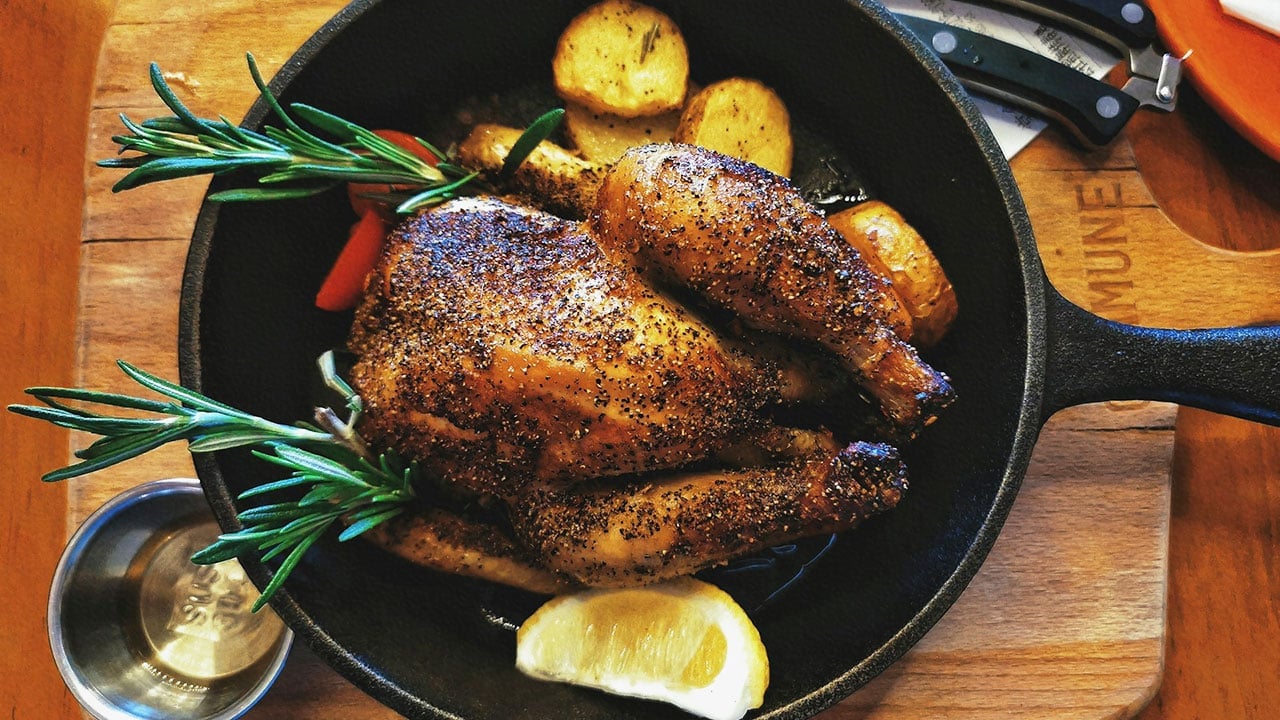
The key to food safety isn’t rinsing—it’s temperature. Chicken needs to reach 165°F internally to be safe to eat. Once it hits that point, any bacteria that was present is destroyed. That’s why food thermometers are a better investment than worrying about washing chicken.
Even professional chefs and food safety experts avoid rinsing. The USDA and CDC have both warned that washing poultry increases the risk of cross-contamination, which is one of the main causes of foodborne illness at home.
What you should do instead
Skip the sink entirely. The safest way to prep chicken is to take it straight from the package to the pan, baking sheet, or cutting board. Pat it dry with paper towels if you want to improve browning, then wash your hands thoroughly with warm water and soap.
If you touch raw chicken, wipe down everything nearby—especially the faucet handle, cutting board, and counter. Use hot, soapy water or a disinfecting spray. It might seem like extra effort, but it’s far less cleanup than dealing with bacteria splattered across the kitchen.
The mess you don’t see
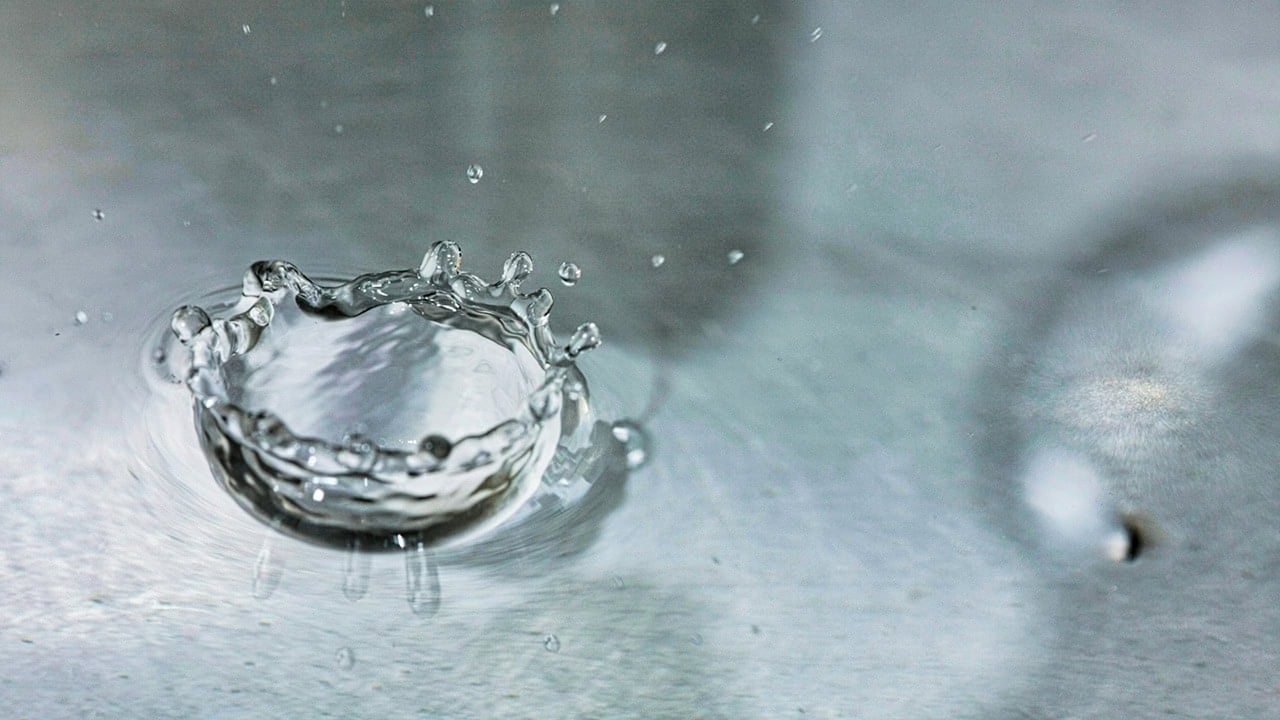
The problem with rinsing chicken isn’t what you can see—it’s what you can’t. Those tiny droplets that splash from your sink can land on your dish rack, your spice containers, or even your clean utensils. Once that happens, bacteria can survive for hours or even days.
You might think wiping the sink afterward solves it, but most people don’t realize how far the contamination spreads. That’s why it’s safer to skip the rinse and go straight to cooking. You eliminate the risk before it ever starts.
Old habits can change
If rinsing chicken is something you’ve always done, it can feel strange to stop. But once you understand how much bacteria can spread from that one step, it’s easy to see why skipping it is worth it.
Keeping your kitchen safer doesn’t mean making big changes—it’s about knowing what actually works. And when it comes to chicken, the best thing you can do is keep the water off it and let the heat do the cleaning.
*This article was developed with AI-powered tools and has been carefully reviewed by our editors.
Leave a Reply