
You clean, declutter, and feel proud for about a day—then suddenly, the house looks like you never touched it. It’s frustrating, especially when you’re trying to stay on budget and not spend money on more bins or storage hacks.
The truth is, the problem usually isn’t that you don’t clean enough. It’s that your home isn’t set up to make staying clean easy. The mess keeps returning because your systems, habits, and space aren’t working together.
You’re organizing clutter instead of eliminating it
You can’t organize your way out of too much stuff. If your drawers, shelves, and counters are constantly overflowing, that’s a sign you’re managing excess, not fixing it. Every time you clean, you’re shuffling items around instead of removing what doesn’t belong.
The fix isn’t another trip to buy baskets or labels—it’s getting honest about what you actually use. Go one space at a time and take everything out. If it hasn’t been used in six months or doesn’t serve a purpose, it’s in the way. Once you have less, staying clean gets dramatically easier because there’s finally room for everything you keep.
You don’t have clear homes for your stuff
If your family keeps setting things down “wherever,” it’s because the items don’t have a clear home. That’s when kitchen counters, entry tables, and bathroom sinks become dumping grounds. It’s not that people are lazy—it’s that your space isn’t giving them a better option.
Designate a place for everything, and make it easy to access. Hooks by the door for jackets, baskets near the couch for remotes, and bins in the bathroom for products can change everything. When every item has a landing spot, cleaning turns into quick resetting instead of full-blown chaos control.
You’re cleaning too reactively
Most people wait until things feel overwhelming to clean. By then, you’re tackling a full-scale reset instead of quick maintenance. That’s what makes it feel endless—you’re always catching up.
Shifting to a maintenance mindset helps. Five-minute resets after meals, a quick sweep before bed, or a laundry schedule you actually follow can prevent buildup before it starts. Cleaning becomes easier when it’s small and consistent, not when it’s big and exhausting.
You’re relying on systems that don’t fit your lifestyle
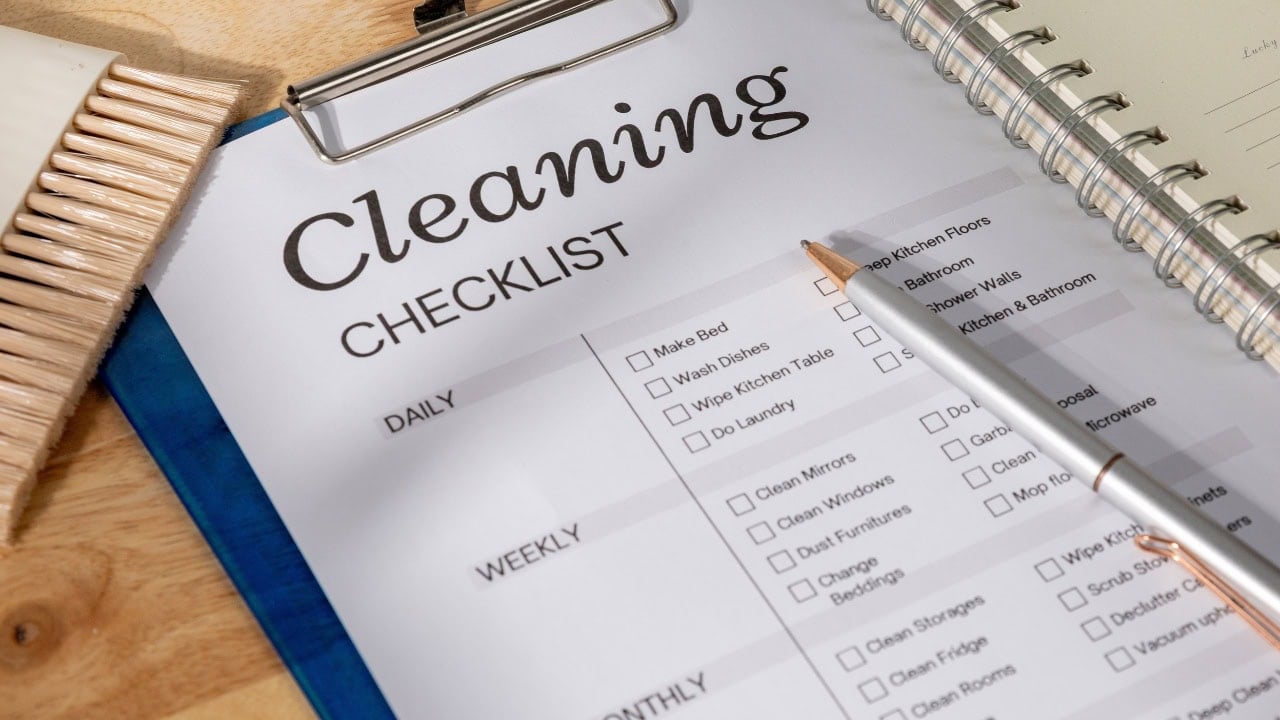
The “perfect” cleaning routines you see online often don’t work in real life. If you work long hours, have kids, or live in a small space, your cleaning habits have to match your reality. Trying to maintain someone else’s version of tidy is a recipe for frustration.
Find what actually fits your rhythm. Maybe you deep clean one room a day instead of doing everything on weekends. Maybe you tidy during your kid’s nap instead of late at night. When your systems reflect your life, they’re easier to stick with—and the mess stops snowballing.
You have too many surfaces inviting clutter
Flat surfaces are magnets for stuff. The more open space you have, the more likely it is to collect random items—mail, cups, toys, chargers, receipts. Even the cleanest home can look messy if every counter is full.
Combat this by limiting what’s allowed on surfaces. Keep décor minimal, create drop zones for everyday items, and clear flat areas daily. Once your countertops and tables stop catching everything, the entire room feels instantly cleaner.
You’re not teaching shared responsibility
If you live with a partner or kids, clutter isn’t a one-person issue—but it often becomes one. When you’re the only one managing it, you’ll always feel like you’re losing ground. Cleaning should be shared, even if everyone’s contributions look different.
Assign small, age-appropriate jobs to everyone. Make it part of the daily routine, not a special event. When the load is shared, the house stays cleaner for longer—and you stop feeling like you’re constantly cleaning up after everyone else.
You haven’t fixed the “entry points” of clutter

Most mess doesn’t start in the middle of your home—it enters from the outside. Mail, packages, grocery bags, school papers, and impulse purchases all bring clutter in before you even realize it. If you don’t manage it right away, it spreads fast.
Create systems to intercept that mess. Open mail near the trash so junk goes straight out. Unpack groceries fully before putting away bags. Deal with deliveries immediately instead of letting boxes linger. Controlling what comes in is the easiest way to control what piles up.
You’re cleaning for looks, not function
It’s easy to focus on making things look tidy without making them work better. You can clear every surface and still have a house that doesn’t function smoothly if your layout or storage doesn’t fit your daily habits.
Look at the areas that get messy the fastest—like the kitchen counter or mudroom. Ask why that keeps happening. Do you need more hooks? Fewer steps between storage and use? Cleaning that improves how your space works will always last longer than cleaning that’s only cosmetic.
The reason the mess keeps coming back isn’t because you’re failing—it’s because your home is working against you. Once you create systems that make sense for your space, your time, and your family, tidiness becomes maintenance, not a marathon.
*This article was developed with AI-powered tools and has been carefully reviewed by our editors.
Leave a Reply