
If you’ve felt yourself hesitating in the toy aisle more than usual, you’re not alone. A lot of parents are looking at prices, clutter, and how fast kids lose interest and thinking, “I’m not doing this again.”
It’s not that people suddenly hate toys. It’s that the way families are spending their money—and their energy—is shifting. When you step back, it makes a lot of sense.
Budgets are tighter, and toys are easy to trim
Groceries, gas, utilities, and housing have all crept up. When the basics cost more, something has to give, and “extra” toys are an easy category to cut down.
Parents are getting more honest with themselves: if a child already has a room full of toys, adding ten more doesn’t magically make Christmas better. One or two bigger, well-chosen items feel more reasonable than a mountain of plastic that quietly cost hundreds of dollars.
People aren’t necessarily spending nothing—they’re just being choosier. Fewer toys, more intention.
Families are tired of cleaning around clutter
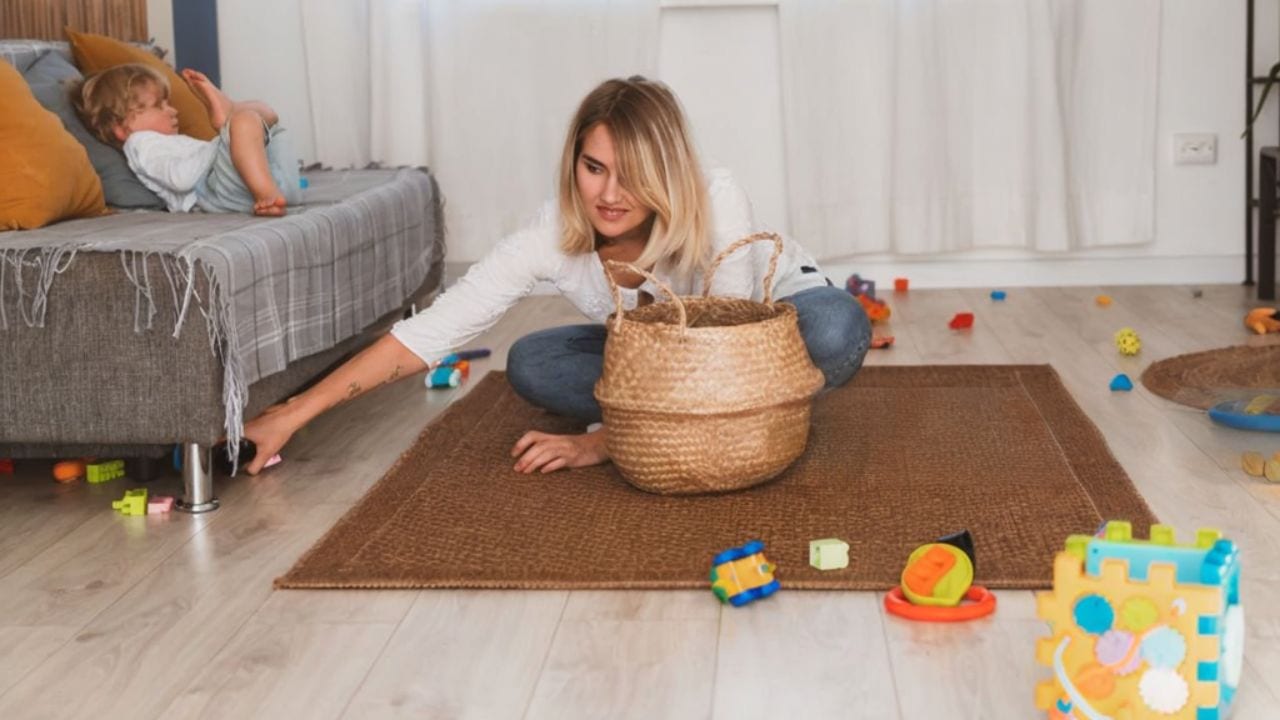
There’s also the house side of it. When you’re the one tripping over toy bins, picking up tiny pieces, and trying to find storage, it changes how you shop.
Parents are starting to ask different questions:
- Where will this live?
- Is this going to come with a thousand little parts?
- Will they still touch this in March?
That’s part of why you see more families asking for art supplies, building sets that mix with what they own, or bigger “anchor” toys (like one solid play kitchen) instead of endless random gadgets. It’s not minimalism for the sake of it. It’s survival.
Experiences are getting more attention
A lot of parents are quietly shifting some of the toy budget toward experiences. That doesn’t always mean expensive trips. It might be:
- Zoo or museum passes
- A few “yes” outings they’d normally say no to
- Lessons or activities kids have begged to try
These don’t always wrap neatly under the tree, but they show up in the calendar and the memories. When you’ve watched toy after toy get ignored after a week, it starts to feel more worth it to put that money toward something the family actually does together.
Screens changed what “play” looks like
Right or wrong, screens are part of kids’ lives now in a way they weren’t 15–20 years ago. Games, shows, and apps compete directly with physical toys.
Many parents are starting to realize they can’t win that battle with sheer quantity. Buying more toys doesn’t pull kids away from screens; it just crowds the room. So they’re focusing on fewer, better options—things that complement screen time instead of fighting it. Think craft kits tied to a favorite show, books connected to their interests, or outdoor gear that makes it easier to get them outside.
Secondhand is less taboo than it used to be
Resale pages, consignment stores, and buy/sell/trade groups are packed with barely used toys. You can often get high-quality items for a fraction of the original price.
More parents are quietly using that to their advantage. They’re buying secondhand, then using their “new toy” budget on fewer fresh items or on experiences. They’re also selling outgrown toys to fund what’s next. It’s not about being cheap; it’s about being practical when kids’ interests change every six months.
The guilt doesn’t have to run the show

It’s easy to feel guilty cutting back. We all remember the excitement of a full tree. But most kids don’t count presents. They remember how the day felt: Did we play together? Did I feel seen? Did I get something I was genuinely excited about?
If buying fewer toys this year is what lets you breathe, keep the lights on, and actually enjoy the holiday, that’s not failing. That’s you paying attention to what your family really needs right now—and that matters more than hitting some imaginary “right number” of gifts.
*This article was developed with AI-powered tools and has been carefully reviewed by our editors.
Leave a Reply