Buying used is great, but it still means bringing more stuff into the house and spending money. Repurposing starts earlier in the process: you look at what’s already in your closets, garage, and shed and put it to work in a fresh way.
That one shift saves cash, reduces clutter, and keeps you from constantly “starting over” every time you want a new look or system.
You already own more raw materials than you think
Extra baskets, jars, bins, shelves, scrap wood, paint, old curtains, leftover tile—most houses are a gold mine of half-finished projects and supplies. Before you step foot in a store, shop that stash. A basket that used to live in the bathroom might be perfect for the mudroom. An old dresser might be exactly the storage you need in the entry.
Repurposing teaches you what actually works
When you make something work with what you have, you’re paying attention to function, not just aesthetics. Maybe a bench from the guest room becomes a shoe spot by the door, and suddenly that corner finally works for your family. You learn from that, which makes any future purchases smarter and more targeted.
It slows down impulse “solutions”
If your rule is “try to solve it with what we have first,” you automatically give yourself a pause. That pause is where a lot of impulse buying dies. You might realize the problem isn’t that you need new containers; it’s that you own too much stuff for the space. Or that moving one piece of furniture fixes it better than buying three new ones.
It cuts down on decor churn

Constantly swapping out decor—thrifting new, donating old—still burns time and money. If you repaint a frame, recover a pillow, move lamps between rooms, or rehang art, your house gets a fresh feel without another haul. Plus, you get more mileage out of things you already liked enough to bring home once.
Repurposing builds confidence
Every time you pull something out of a closet and give it a new job, you prove to yourself you can create a home you like without a big budget. That confidence spills over into other money decisions. You stop assuming “more money” is the only solution and start trusting your ability to solve problems creatively.
Buying used still has a place—just not first
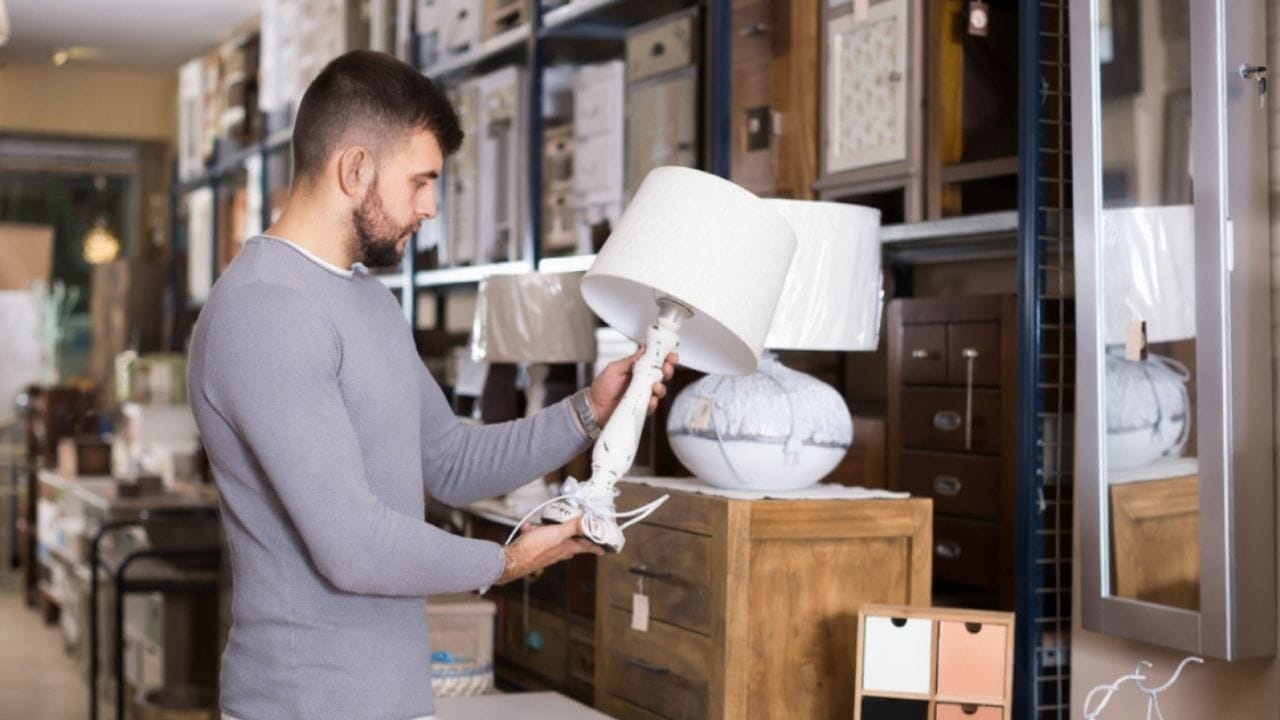
There will always be times when you truly need something you don’t own yet. In those moments, used can absolutely win. But you’ll save the most long-term if your first question is, “What do we already have that could work?” instead of “Where can I find this cheaper?”
*This article was developed with AI-powered tools and has been carefully reviewed by our editors.
Leave a Reply