
Airports are built to separate you from your money when you’re tired, rushed, or bored. A few categories are almost always overpriced or underperforming, and the alternatives are easy to pack. With a small checklist and two zip pouches, you can skip the worst markups, feel better on the flight, and land without buyer’s remorse.
Here’s what to leave on the shelf—and the tiny swaps that save real money.
Bottled water that costs as much as lunch
Airport water is the classic $5 mistake. Security will allow an empty bottle; most terminals have fill stations past the checkpoint. Pack a lightweight reusable bottle and fill as soon as you’re through. If you hate the taste of fountain water, bring a slim filter bottle or flavor drops. On long flights, ask for a full can of seltzer or water during service; flight attendants are used to the request.
If you forget a bottle, grab a fountain drink cup with a lid at a food court and use it like a temporary bottle. It’s not fancy, but it’s free.
Snacks that fail by the time you board
Chips, candy, and mystery “protein” snacks have a huge markup and don’t keep you full. Build a small snack kit at home: nuts, jerky or meat sticks, granola bars, dried fruit, and a few electrolyte packets. Add a pack of gum for takeoff and landing. Everything fits in a quart zip bag and survives delays without melting. If you want something fresh, buy a banana or apple before security and finish it at the gate.
For kids, pack small lidded containers with crackers and squeezable applesauce (it’s TSA-friendly under 3.4 oz). The airport equivalent costs triple.
Last-minute phone chargers that charge slowly
Kiosk chargers and off-brand cables are overpriced and often underpowered. Pack a short cable, a long cable, and a small power bank you’ve tested at home. Keep all of it in a flat zip pouch with your boarding pass so you can grab it at security bins and at the gate without fishing through your bag.
Choose a multi-port wall plug if you’re traveling as a family. One outlet becomes a charging hub, and you avoid buying duplicates.
Travel pillows that look clever and feel useless
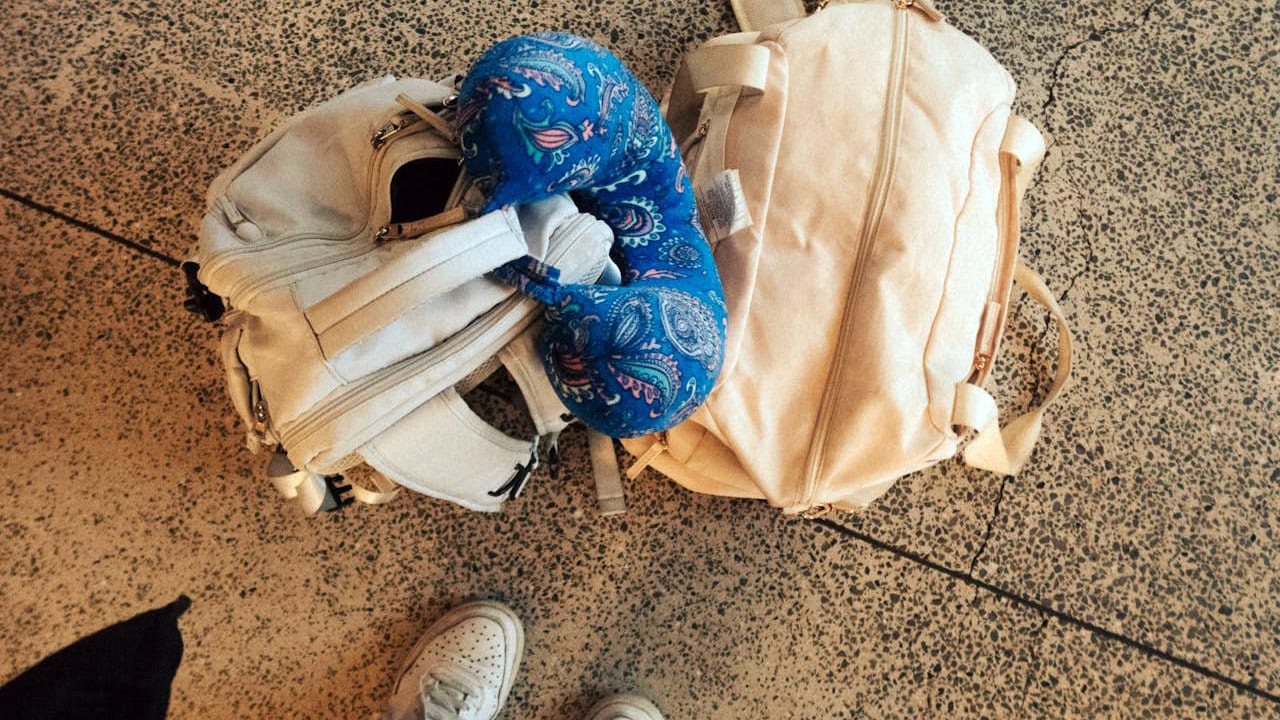
Novelty pillows and inflatable neck rings from airport shops are expensive and rarely comfortable. If a pillow helps you, bring one you already like—packable microbead or compressible foam—and clip it to your bag. If you sleep better without one, roll a soft hoodie and use that at your neck. The hoodie doubles as a layer when the cabin temp drops.
If you must buy at the airport, choose a simple U-shape with a washable cover. Skip anything with gimmick straps or odd shapes you can’t test.
Single-dose toiletries and “emergency” kits
Tiny toothpaste, deodorant, and hand sanitizer cost several times more past security. Pack a clear TSA quart-size bag with travel bottles at home and refill from your normal supplies. Add lip balm, pain reliever, band-aids, and face wipes. If your flight is overnight, throw in a toothbrush and mini paste. You’ll feel human when you land and spend zero at a terminal kiosk.
Refillables add up fast: one set covers dozens of trips. Label bottles with painter’s tape so you know what’s inside.
Magazines and books you’ll read once
Newsstand prices are full retail or higher. Download a couple of ebooks or audiobooks from your library app before you leave. If you love print, buy a paperback at home or swap with a travel partner mid-trip. Many airports have free little libraries or book exchange shelves—check near gates or information desks.
If you do buy a magazine, choose one you’ll tear recipes or workouts from later so it keeps value beyond the flight.
Neck-and-back gadgets that won’t clear security well
Massage guns and odd-shaped devices are pricey and bulky and can attract extra screening. Your best comfort buys cost almost nothing: compression socks, a soft eye mask, and foam earplugs. For long-haul flights, a small pack of hydrating face mist or moisturizer prevents that dry, tight feeling without a full kit.
Keep comfort items in the same pouch as your chargers so everything you might want at the seat is in one grab.
Currency exchange kiosks with painful rates
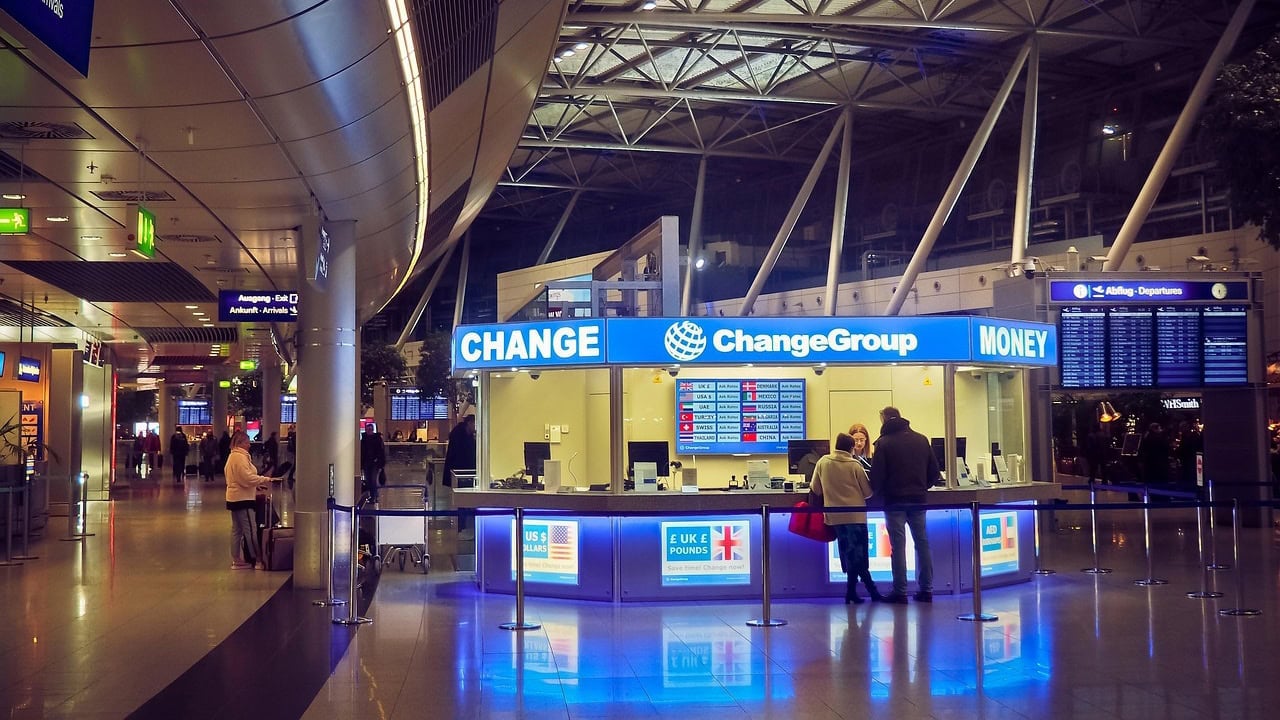
Airport exchange counters add fees and poor rates. Use your bank card at an ATM at your destination for cash or pay with a no-foreign-fee credit card whenever possible. If you need some cash on landing, order a small amount from your bank a week before your trip. The rate will be better and you’ll avoid in-terminal lines.
Do notify your bank of travel so a security hold doesn’t strand you at baggage claim.
Umbrella and poncho traps near the doors
Pop-up stands sell flimsy umbrellas and ponchos when weather shifts. If rain is likely, pack a pocket umbrella or a thin poncho in an outer pocket of your backpack. They weigh almost nothing and save you from a $20 airport emergency purchase for something that won’t last.
A lightweight jacket with a hood does double duty on cold cabins and rainy walks to rideshares.
Overpriced meals that don’t fit your timing
Full-serve spots at airports can be slow and expensive, and you’ll eat fast because you’re watching the clock. Build your own “meal box”: a sandwich or wrap from home, a hard-boiled egg or cheese stick, cut veggies, and one treat. If you prefer hot food, look for the busiest quick-service spot and order something simple. High turnover usually means fresher food.
Always scan for free water fill stations near gates and fill up before boarding. That’s the easiest savings on the whole trip.
A tiny travel checklist—empty bottle, snack kit, charger pouch, comfort trio, toiletry bag—kills most airport impulse buys. You still have the option to treat yourself to a coffee or a souvenir, but your basics are covered, and that’s where the big markups live. Pack once, reuse the kit every trip, and watch your travel costs drop without sacrificing comfort.
*This article was developed with AI-powered tools and has been carefully reviewed by our editors.
Leave a Reply