
When people talk about Christmas dinner being “so expensive,” what they usually mean is this: they tried to recreate a magazine spread and then shopped like they were feeding a small army that never gets full.
The actual ingredients for a solid holiday meal aren’t the main problem. It’s the way we plan, shop, and serve that quietly blows up the total. Once you see where the money is really going, it’s a lot easier to bring costs back down without making the meal feel skimpy.
Making way too many dishes “just in case”
Most families have a handful of things everyone actually eats: a main, two or three sides, bread, and dessert. But it’s easy to panic and start adding “just in case” options—three types of potatoes, four vegetable sides, multiple breads, and three pies.
Every extra dish means more ingredients, more dishes to wash, and more leftovers that may or may not get eaten. Choosing a smaller, well-loved menu doesn’t make you a bad host. It makes you a thoughtful one. Focus on the favorites and give yourself permission to skip the filler sides that nobody talks about later.
Treating every side like it has to be special
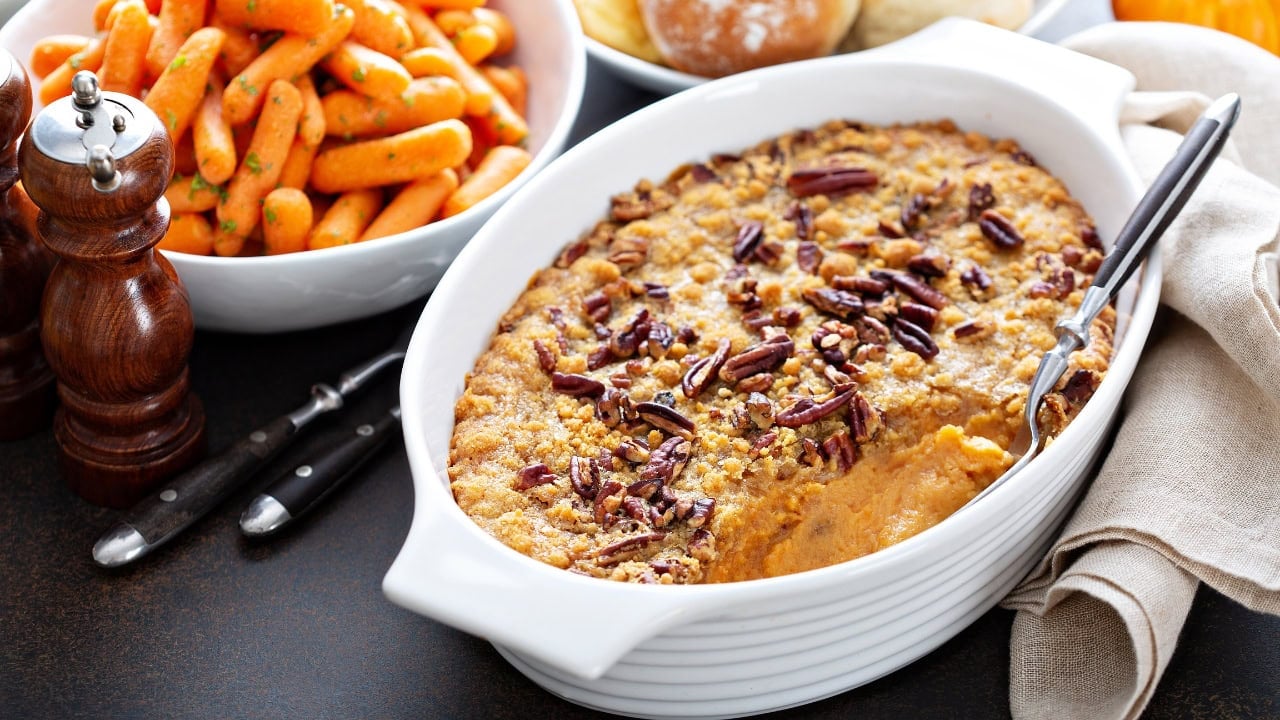
It’s fun to try a new recipe or two. The trap is when every single thing on the table has to be leveled up with specialty cheese, fresh herbs, fancy bread crumbs, or pricey add-ins. Those “little extras” add up fast.
Balance it out: make the main dish and maybe one showstopper side a little fancier, then let the rest be simple. Plain green beans with butter and salt, roasted carrots with olive oil, or a salad with a basic homemade dressing are inexpensive and still feel like real food. Not every bowl on the table has to make a statement to feel like a celebration.
Ignoring what you already have in your pantry and freezer
It’s easy to write a whole menu and then buy every single ingredient from scratch. That’s how you end up with duplicates of spices, extra bags of flour, and more sugar than you’ll use in a year.
Before you shop, do a quick pantry and freezer sweep. You may already have chicken broth, canned green beans, corn, sugar, spices, and even baking staples. Build part of your menu around what’s already on hand and make your list from there. Using what you own is one of the easiest ways to bring the total down without changing a single recipe.
Forgetting that guests can bring things—and usually want to
Hosting doesn’t mean you have to supply every bite yourself. Most people are happy to bring a dish, a dessert, a pan of rolls, or a beverage if you give them guidance.
Instead of saying, “Bring whatever,” be specific:
“Can you grab a dessert?”
“Would you mind bringing a side that feeds six?”
“Could you bring drinks and ice?”
You’re still directing the meal, but you’re not funding every part of it alone. It also makes guests feel more involved instead of showing up empty-handed.
Last-minute grocery runs that cost more than the main shop

Those “oops, we forgot…” trips the day before or the morning of can be brutal. You’re going in for one item and walking out with rolls, extra snacks, and a few impulse buys. Prices are rarely better that close to the holiday, and you’re stressed, which makes it easier to toss extras in the cart.
A simple list you build over a week and one big shop, plus maybe a very small last-minute trip for fresh produce, can keep this under control. The goal is to go in with a list and get out, not wander the holiday aisles again.
Not planning intentionally for leftovers
Leftovers are either a blessing or a waste, depending on how you think about them. If you plan for them, they’re free meals for the next few days. If you don’t, they fill the fridge, stress you out, and get thrown away.
When you’re planning, think through:
“What will we actually eat as leftovers?”
“Do I have a plan for this ham or turkey beyond one sandwich?”
You might decide to buy a slightly smaller roast but add an extra pan of potatoes so the leftovers stretch into breakfast or an easy bake the next day. That’s still value—you’re just being honest about what your family will actually reach for.
Christmas dinner doesn’t have to feel like a budget explosion. A handful of quieter choices—fewer dishes, simpler sides, using what you already own, letting people help, and planning for leftovers—do more to control costs than stressing over the price of one ingredient ever will.
*This article was developed with AI-powered tools and has been carefully reviewed by our editors.
Leave a Reply