
There’s a reason your parents or grandparents never needed an app to stay on top of their money—they tracked it by hand. It might sound outdated, but writing down what you spend forces you to actually see where your money goes.
Apps make things too easy to ignore. You swipe, tap, and forget. But when you’re putting pen to paper, every dollar feels real again.
Writing things down makes spending tangible
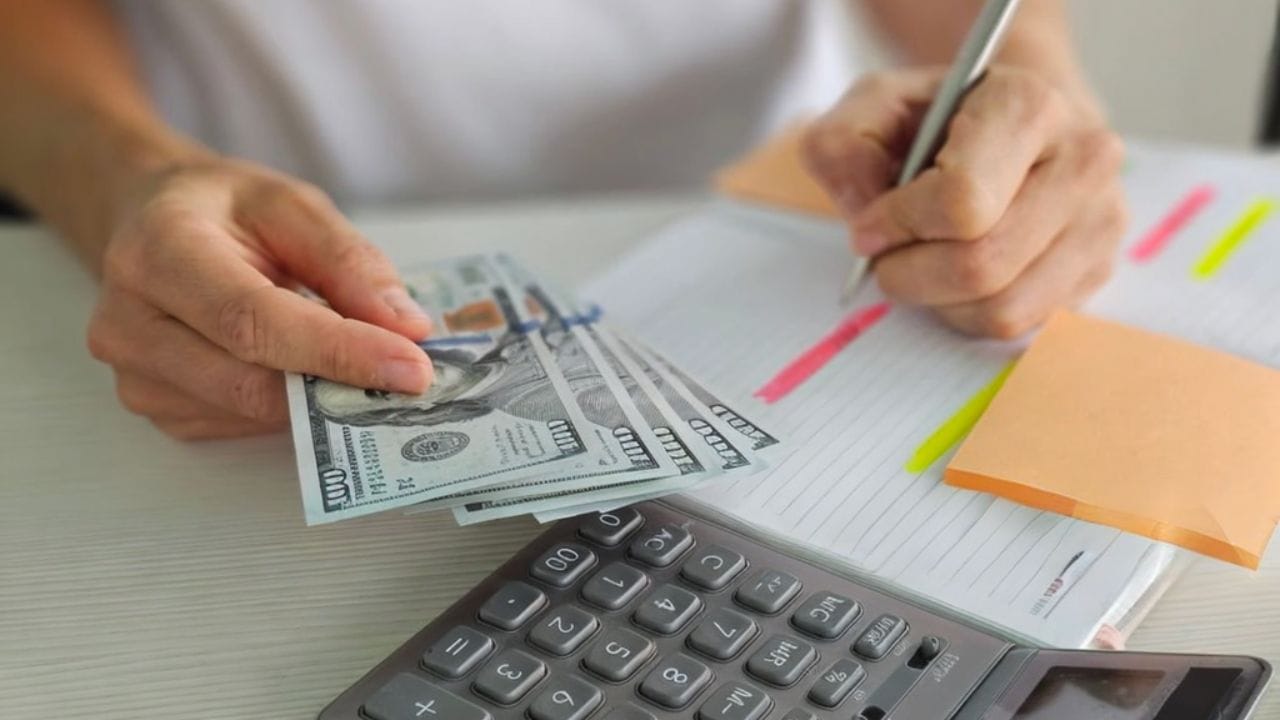
When you log each purchase yourself, you start catching habits you’d never notice otherwise. You’ll see where “small” expenses pile up fast—coffee runs, streaming subscriptions, or grocery splurges.
Physically writing things down creates awareness that digital tracking doesn’t. You feel the pattern instead of relying on an algorithm to show it later.
Paper keeps you accountable in a way apps can’t
Apps are convenient, but they also let you hide from the truth. You can scroll past numbers and tell yourself you’ll check later. But with a handwritten log or envelope system, there’s no avoiding it.
You see exactly how much is left for groceries or gas because it’s right in front of you. It’s not outdated—it’s accountability you can touch.
You stay in control instead of chasing notifications

Budgeting apps try to “help” by sending alerts, syncing accounts, and categorizing automatically—but that distance makes you passive. Writing things down puts you in charge.
You choose what to track and how to adjust. It’s slower, but that’s the point. The pause between spending and recording gives you time to think before you do it again.
Slowing down helps you spend with intention
Old-school money habits worked because they made people stop and consider every purchase. When you have to physically update a notebook or pull cash from an envelope, you’re reminded that money isn’t endless.
That small act of slowing down can completely change how you spend—and it often works better than any app ever could.
*This article was developed with AI-powered tools and has been carefully reviewed by our editors.
Leave a Reply