
Most budget wins don’t come from one giant sacrifice. They come from small switches that remove the “leaks” in December—shipping upgrades, impulse buys, energy costs, and food waste. Make five or six of these moves and your month looks lighter without feeling skimpy.
You’re not cutting joy. You’re cutting the parts that never mattered.
Swap mall days for pickup windows
Curbside pickup locks in online pricing, skips shipping fees, and prevents the impulse tax you pay when you wander. Stack two or three pickups on your normal route, grab, and go. You’ll buy what you planned, not what was stacked by the checkout.
Use reminders instead of notifications so your phone isn’t dinging all day.
Cap adults, focus on kids, and add one experience
Most families are moving to “kids get gifts, adults draw names or do a cap.” It lowers the total number of packages and lets you spend better on what matters. Add one family experience—drive-thru lights, cocoa and movie, sledding day with pizza—and you’ve bought memories that don’t need storage.
Write the experience date right on the card so it actually happens.
Set a $10–$15 gift cap for exchange groups
Limits keep you out of the “one more little thing” spiral. They also make gift shopping faster. Under $15 means you shop one store, bundle two small items, write one true sentence, and you’re done. No second trip. No late-night scroll.
The point is relief, not rules for rules’ sake.
Use timers and warm bulbs
Energy spikes hit hard in December. Switch to warm-white LEDs and put your tree, window lights, and porch on timers. They flip on at dusk and off at bedtime. You still get the glow without heating the electric bill. It’s set-once, forget-it savings.
If a room feels dim, add one plug-in lamp instead of turning on the overheads all night.
Tighten the menu and cook for humans
Holiday menus get bloated. Choose one welcome drink, one protein, two sides, bread, and one dessert. Plan real portions: 6–8 ounces of cooked protein per adult, one cup of each side. You’ll spend less and leftovers will actually get eaten.
Sauces and gravy live separately until serving so the rest warms without turning soggy.
Buy wrap once, not seasonally

Kraft paper, twine, and a pack of flat tags replace ten rolls of themed paper you never finish. The stash fits in a drawer and works for birthdays all year. You’ll stop “just grabbing” wrap in December because the kit is ready at home.
Write on the paper—one clean sentence beats a printed tag.
Skip shipping surcharges with early orders or local gifts
Rush shipping is where budgets go to die. Order earlier or choose gifts you can buy local: honey, coffee, a blanket, a shop gift card. If you slip timing-wise, make a “choose your treat” card and schedule the outing. You’ve controlled the cost instead of handing it to a carrier.
Local also saves you from the “box tower” recycling day.
Trade the white elephant for a pantry pull
Replace one white-elephant party with a “pantry pull” exchange: everyone brings a favorite under-$10 grocery item in a kraft bag. Hot sauce, ramen set, coffee, olive oil, flaky salt, fancy chocolate. It’s fun, cheap, and usable. No novelty junk going to thrift stores on December 27.
Set the cap and stick to it. That’s the only rule.
Freeze leftovers and label them like ingredients
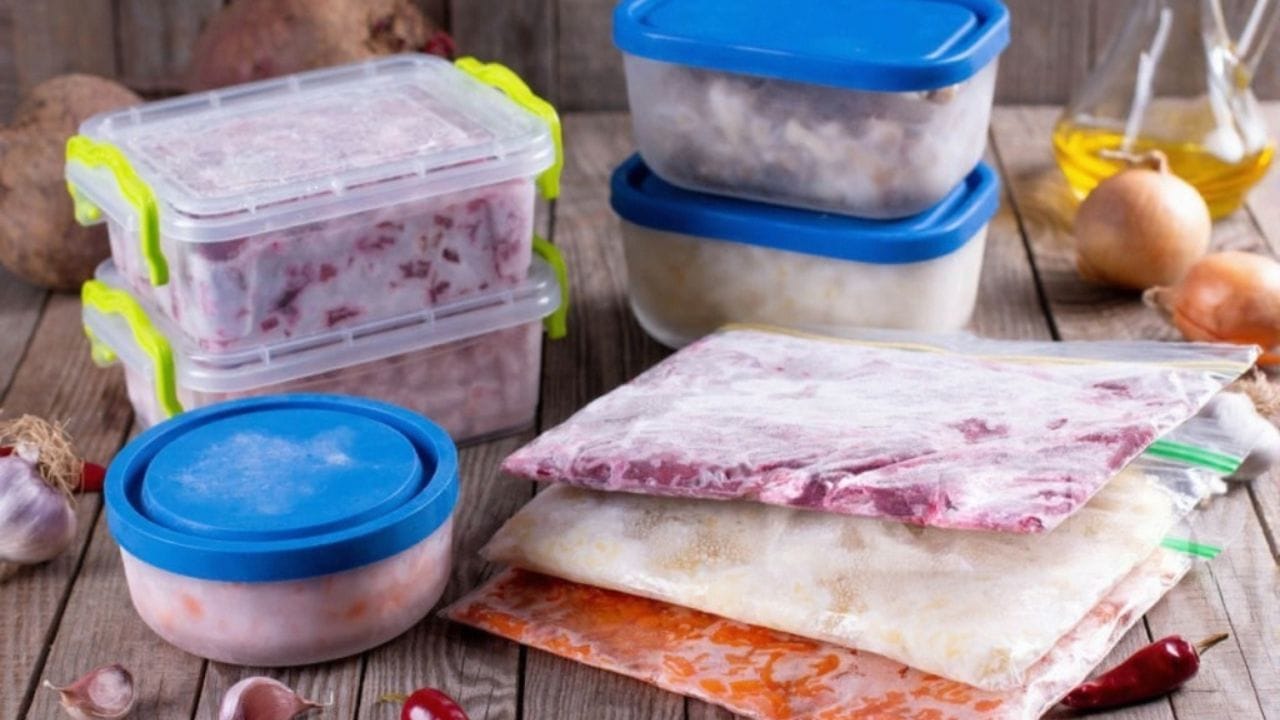
Food waste is silent overspending. Portion turkey, soup, and sauce into flat zip bags, label, and freeze. Next month’s emergency dinners are covered. Write a “second act” plan on the tape—quesadillas, soup, shepherd’s pie—so you’ll actually use it.
Never freeze salads, cream pies, or fried foods. They won’t come back right.
Choose one color palette so decor stops multiplying
Pick one metal, one neutral, one accent. When everything matches on purpose, you stop chasing “the missing piece.” Ribbon, napkins, wrap, and ornaments start working together and your cart stays closed. The house looks calmer and so does your budget.
Green + white + wood is the safety pick if you’re stuck.
Hundreds saved isn’t a mystery. It’s pickup instead of wandering, caps instead of piles, timers instead of switches, a smaller menu, a simple wrap kit, and leftovers treated like ingredients. Make the changes once and let them run. You’ll feel the difference right away—in your house and on your bank statement.
*This article was developed with AI-powered tools and has been carefully reviewed by our editors.
Leave a Reply