You might think your home is full of things that make life easier—but some of them are quietly doing the opposite. Over time, little conveniences, decorations, and “extras” can start working against you. They add clutter, take up space, and demand energy you don’t realize you’re giving.
If you ever feel like you’re constantly picking up, cleaning around, or managing your house instead of living in it, the problem might not be your schedule. It might be your stuff.
The things you bought to make cleaning easier
A lot of cleaning gadgets end up creating more work. Multiple mops, special dusters, different sprays for every surface—it all takes up storage space and mental space. Half the time, you spend more effort maintaining the tools than actually cleaning.
You don’t need a product for everything. One quality vacuum, a microfiber cloth, and a few multipurpose cleaners can handle most of your house. The simpler your setup, the faster your chores go.
The decor that collects dust instead of adding warmth
It’s easy to fill shelves and counters with decor that looks nice in the store but feels like clutter at home. Every extra piece means more to dust, more to move when cleaning, and more visual noise. Over time, it starts to make rooms feel crowded instead of cozy.
You don’t have to strip everything down, but focus on what you actually enjoy seeing. A few meaningful pieces make a bigger impact than a dozen trendy ones that serve no purpose except decoration.
The kitchen gadgets you rarely use
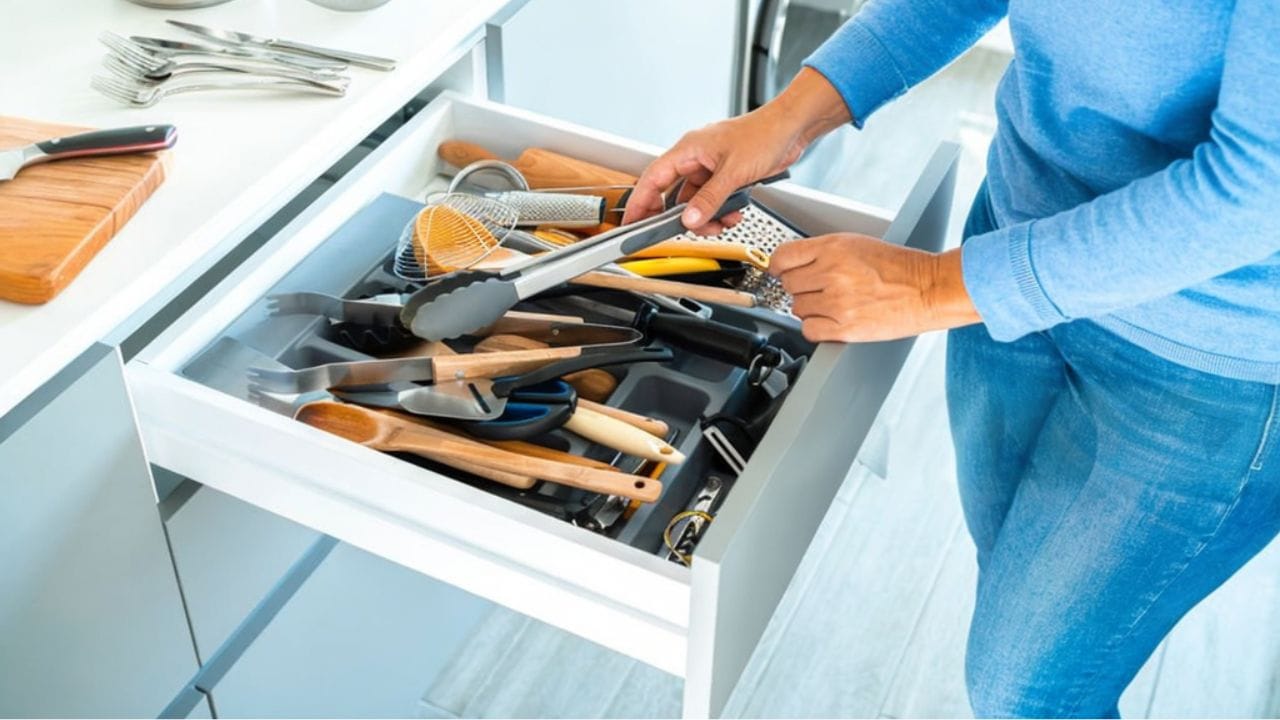
Kitchen clutter is one of the biggest culprits. Specialty gadgets, duplicate utensils, and small appliances you thought would save time usually end up taking over your counters and cabinets. Every time you cook, you’re digging through drawers or shuffling things around to get what you really need.
If something hasn’t been used in months—or you forgot you owned it—it’s not helping you. Streamlining your kitchen makes it easier to cook, clean, and actually enjoy being in there.
The storage bins that hide disorganization
Buying bins and baskets can make you feel organized, but if they’re filled with things you don’t use or need, they’re just hiding the clutter. Labeling, stacking, and moving stuff around isn’t the same as simplifying.
Real organization comes from owning less, not storing more. When you pare down what’s in your home, you won’t need as many containers or systems to keep up with it all.
The clothes that don’t fit or don’t feel good
Closets are full of things that hold us back—outfits that don’t fit, shoes that hurt, and clothes we keep out of guilt. Every morning you have to dig through all that before finding something that actually works. It’s an invisible drain on your time and confidence.
If it doesn’t fit your body or your life anymore, it’s adding stress, not value. Keeping only what you wear regularly makes getting dressed easier and your closet feel more peaceful.
The extras you’re saving “just in case”
Backup linens, old cords, spare kitchen tools—everyone has a drawer or closet filled with “just in case” items that never get used. The problem is, those things take up room you could use for what actually serves you now.
You can be prepared without keeping everything. If something’s been waiting for its “someday” moment for years, it’s safe to let it go.
The furniture that fills every corner
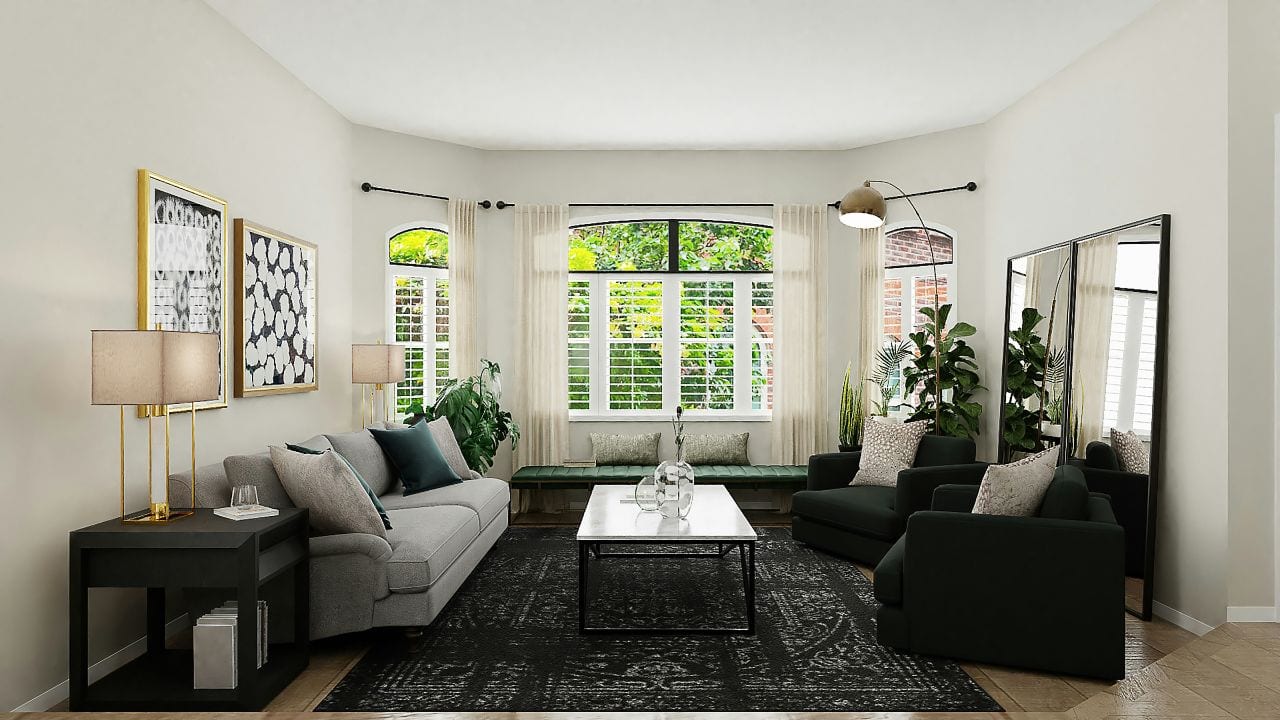
A packed house might look complete, but it usually feels cramped. Too much furniture makes cleaning harder, limits how you move, and can make even large rooms feel smaller.
Open space has value too. It gives you breathing room, makes cleaning faster, and helps your home feel calmer. Keep only what you use daily and what makes a room functional. The rest is taking up space you could be living in.
The tech that demands constant attention
Between chargers, screens, and smart devices, technology has a way of invading your space. Every gadget needs updating, charging, or managing—and it all adds up to mental clutter.
You don’t need to cut technology out completely, but be selective. A few reliable tools are better than a house full of devices that make you feel tethered instead of free.
*This article was developed with AI-powered tools and has been carefully reviewed by our editors.
Leave a Reply