
There’s nothing more irritating than cleaning a mirror, stepping back, and realizing you’ve traded fingerprints for streaks. You spray, wipe, repeat—and somehow it still looks hazy.
Most people assume the problem is their cleaner, but the real issue usually comes down to the tools and technique. Getting a mirror streak-free isn’t about fancy products—it’s about how you use what you already have.
Paper towels are the reason your mirrors never look clean
Paper towels might seem convenient, but they’re one of the worst things you can use on glass. They leave behind lint and tiny fibers that catch the light, making it look like you missed a spot. Worse, they don’t actually absorb the cleaner well, so you end up smearing residue around instead of removing it.
Microfiber cloths work far better. They grab dust, oil, and moisture in one pass and leave the surface completely dry. If you’ve been reusing the same cloth for a while, though, make sure it’s clean—one coated with fabric softener or leftover dirt will only make things worse.
The “secret” tool that pros use
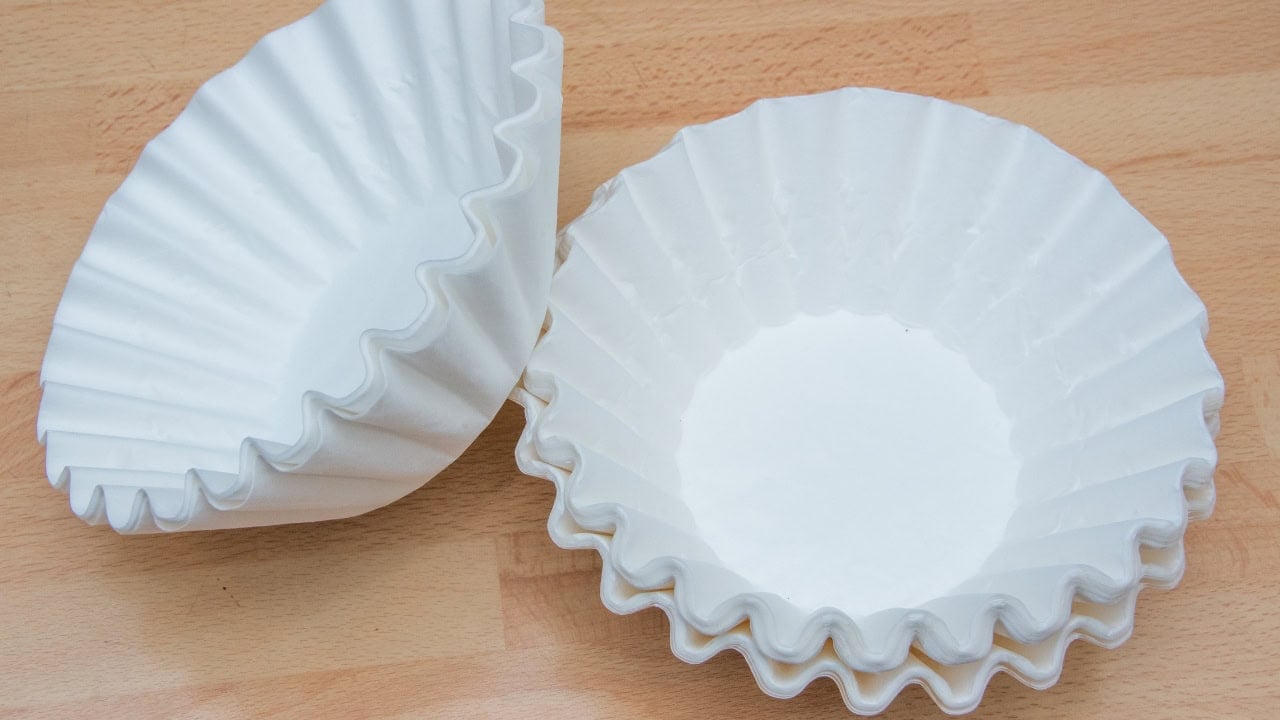
Professional cleaners rarely use microfiber cloths alone—they use coffee filters. It sounds strange, but they’re lint-free, absorbent, and perfect for polishing mirrors without streaks. Once you’ve done your initial wipe with a damp cloth, go over the mirror again using a dry coffee filter to buff it out.
The texture of the filter gives you a clean, friction-based polish that eliminates residue without scratching. It’s one of those cheap, everyday fixes that actually works better than most commercial options.
You’re using too much cleaner
The more spray, the better the clean—right? Not with mirrors. Excess cleaner causes streaks because it takes longer to evaporate and often leaves behind a thin film once it dries. That’s especially true if your cleaner contains soap, ammonia, or alcohol.
A light mist is plenty. Start at the top and work your way down using a zig-zag motion. You want to lift away dirt, not move it around. If you accidentally over-spray, grab a dry cloth and go over it again before it dries.
Water quality plays a bigger role than you think
If your water is hard, the minerals in it can leave faint marks or haze even after the mirror dries. That’s why sometimes, no matter how much you wipe, it still looks cloudy.
Switching to distilled water makes a big difference. Mix your glass cleaner with distilled water instead of tap, or keep a small spray bottle of distilled water for the final rinse. It keeps minerals from redepositing on the surface and gives you that clear, reflective finish you’re after.
Temperature and humidity matter

If you’re cleaning right after a hot shower, that fog on your bathroom mirror is your enemy. Steam mixes with the cleaner and prevents it from drying properly, leaving streaks that seem to appear out of nowhere.
Wait until the mirror is completely cool and dry before you start cleaning. You’ll get a smoother finish and use half as much effort. The same goes for cleaning mirrors on hot, humid days—if your cleaner takes too long to evaporate, streaks are almost guaranteed.
You’re missing the final polish
Even when you’ve done everything right, that last swipe matters. After cleaning, always use a second dry cloth or filter to buff the mirror until it squeaks. That’s how you know all residue is gone. The polish step gives mirrors that crisp, professional shine that makes a room look brighter.
If you want to go one step further, you can add a drop of white vinegar to your cleaner. It cuts through oil from fingerprints and hairspray that regular glass cleaners sometimes leave behind.
Once you fix your technique, mirror cleaning goes from frustrating to satisfying. A little less spray, the right cloth, and a coffee filter for the finish—and suddenly your reflection looks as clear as the day the mirror was hung.
*This article was developed with AI-powered tools and has been carefully reviewed by our editors.
Leave a Reply