
If you’re trying to figure out if an EV actually saves you money, don’t overthink it. You don’t need a spreadsheet with 19 tabs. You need your electric rate, your gas price, and how many miles you drive in a month. From there, it’s just plug-and-play math you can redo anytime prices change.
The baseline numbers (so you can copy this later)
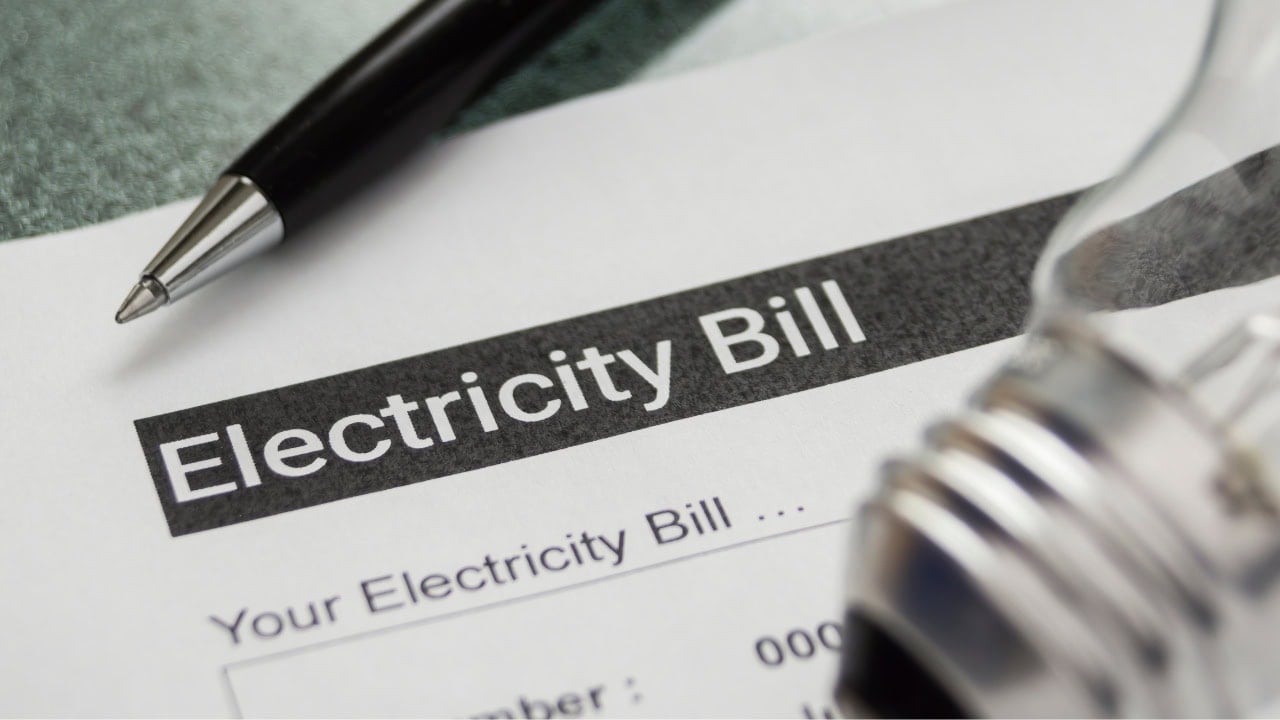
Right now, the average U.S. residential electricity rate is about 18.07¢/kWh (state rates vary).
The national average gas price recently dipped below $3.00/gal—about $2.98 as of December 1, 2025.
For energy use, think in Wh per mile (lower is better):
- Tesla Model 3 (latest EPA figures): ~255 Wh/mi (3.9 mi/kWh) including charging losses.
- Tesla Model Y Long Range: ~288 Wh/mi (3.5 mi/kWh) including charging losses.
For the gas side, let’s use a bread-and-butter Outback:
- 2026 Subaru Outback 2.5L: 27 mpg combined (EPA estimate; turbo trims are lower). Quantrell Subaru
How far are we driving? The average U.S. driver logs roughly 13,500 miles/year, or about 1,125 miles/month. Use your own mileage if it’s higher or lower.
Quick math you can reuse (with your numbers)
EV monthly electricity cost ≈ miles × (kWh/mi) × electricity price.
For a Model 3:
- kWh/mi = 0.255
- Monthly cost ≈ 1,125 × 0.255 × $0.1807 ≈ $52 (national average power).
For a Model Y:
- kWh/mi = 0.288
- Monthly cost ≈ 1,125 × 0.288 × $0.1807 ≈ $59.
Gas monthly cost (Outback) ≈ miles ÷ mpg × price/gal.
- 1,125 ÷ 27 mpg × $2.98 ≈ $124 at current national average gasoline prices.
Even with today’s cheaper gas, the energy line item still tilts EV—roughly half the monthly “fuel” in this scenario. Local rates can flip the spread, so plug in your real kWh price and local gas price to verify.
Where the comparison gets messy (but still matters)
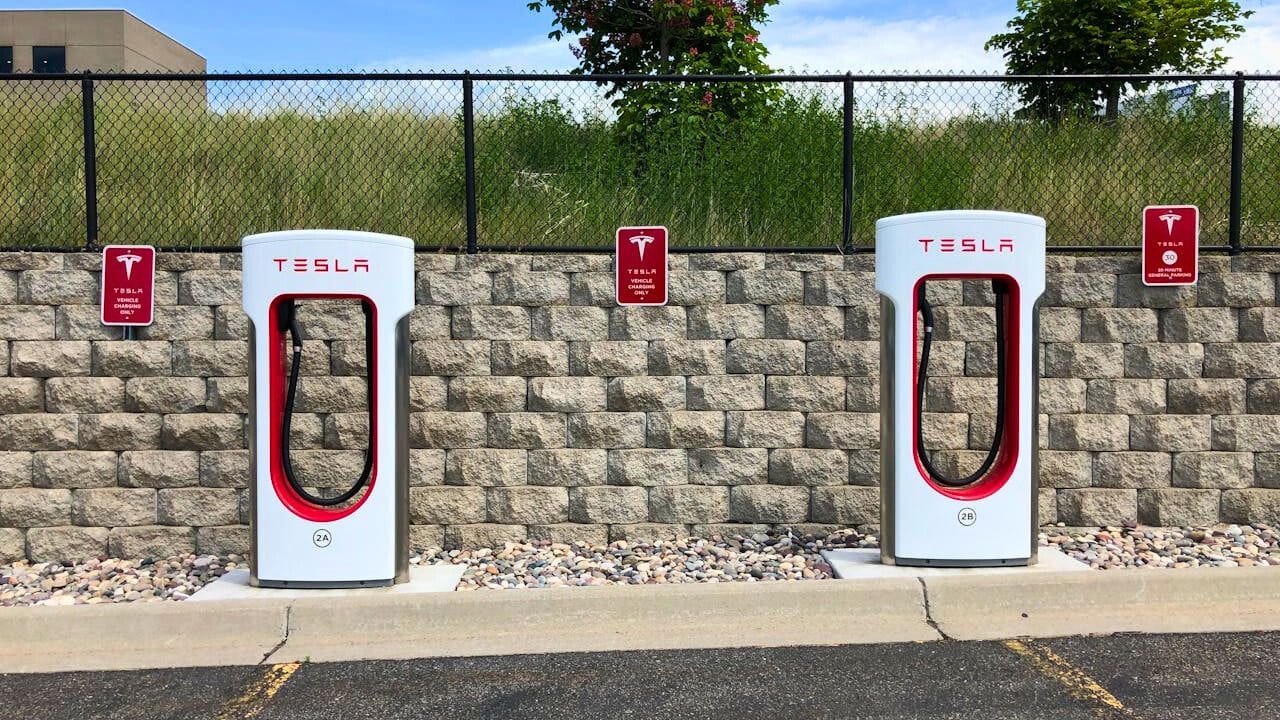
- Home vs. public charging. Home power is usually cheaper. DC fast charging can narrow (or erase) the gap if you rely on it a lot.
- Your electricity rate plan. Time-of-use rates can lower EV costs overnight—or make them higher if you’re charging at peak. Check your utility plan.
- Weather + driving style. Cold snaps, high speed, and underinflated tires raise Wh/mi or lower mpg. (Same driver, same route = best comparison.)
- Upfront vs. monthly. Purchase price, financing, insurance, maintenance (EVs tend to spend less on brakes/fluids), and potential tax credits belong in the total-cost-of-ownership bucket. Energy is only one line.
How to make the numbers bend in your favor (either way)
- EV owner: charge off-peak, precondition while plugged in, keep tires at spec, and use scheduled charging. Get a basic Level 2 (240V) at home if you can—it’s the difference between “always topped off” and “chasing public chargers.”
- Outback owner: keep speeds steady, watch tire pressure, combine errands, and time fill-ups when local prices dip (they’ve been trending down nationally).
The point
Don’t guess—run the math with your real prices. With national averages, a Model 3 or Y’s monthly “fuel” land in the $50–$60 range while the Outback sits near $120–$125. Your state’s rates will shift that, but the formula doesn’t change—and now it’s yours.
*This article was developed with AI-powered tools and has been carefully reviewed by our editors.
Leave a Reply