
If your spices have lost their flavor faster than they should, there’s a good chance your pantry setup is to blame. Most people assume dry goods last forever in a cool cabinet, but spices are far more sensitive than you might realize.
The mistake? Storing them anywhere near heat or moisture—which includes the pantry next to your stove, above your dishwasher, or near a window.
It’s one of those habits that seems harmless, but over time it destroys the very thing that makes your spices worth using: their oils. Those oils carry all the flavor and aroma, and once they break down, there’s no bringing them back.
Heat and humidity are the enemy
Spices don’t go bad like milk or meat, but they do lose their strength. Every time you open that jar, tiny bits of air and moisture slip inside. When your pantry stays warm or humid—like most kitchens do—those conditions speed up oxidation, which dulls the flavor and color.
The ideal place for spices is dark, dry, and cool. The keyword there is cool. Cabinets near ovens, coffee makers, and even toasters can get surprisingly warm throughout the day. That steady rise and fall in temperature shortens a spice’s life span dramatically.
If you can, move your spices to a spot away from cooking areas, like a drawer or a cabinet on a wall that doesn’t face direct sunlight. It’ll keep them fresher months longer.
Steam ruins the best blends fast
Another sneaky source of spice damage is steam. If you’ve ever shaken your spice jar directly over a steaming pot, you’ve probably noticed the lid start to clump or the inside turn slightly sticky. That’s not coincidence—it’s condensation.
When steam hits the jar, it turns into moisture inside, creating the perfect environment for clumping, mold, and bacteria. Even dried herbs can absorb that damp air, causing them to spoil or lose their natural oils faster than normal.
Instead, measure spices away from the stove. Pour what you need into a small bowl, then add it to the pot. It’s a small extra step that protects your entire spice collection.
Light breaks down oils and color
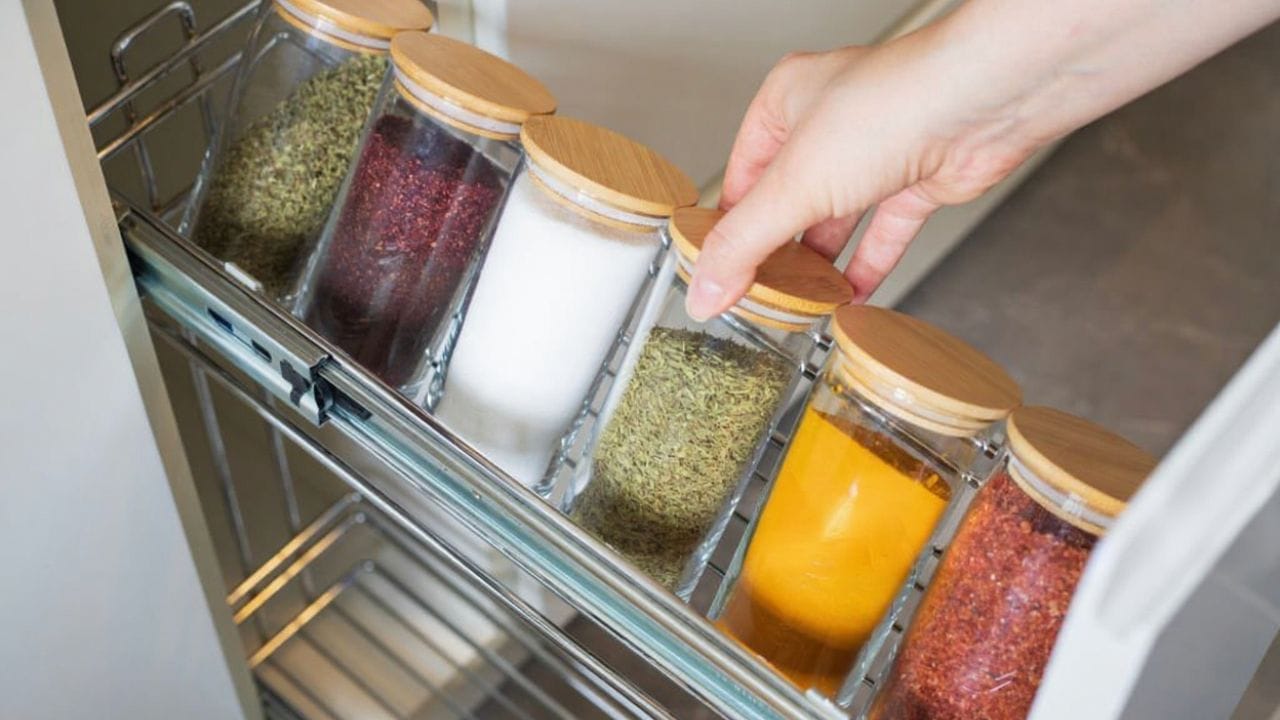
Even if your pantry feels cool and dry, lighting can still cause damage. Direct sunlight or even strong indoor light breaks down the natural pigments and oils in spices, fading their color and muting their flavor.
That’s why you’ll notice paprika, chili powder, or turmeric lose their vibrancy after a few months on an open shelf. The heat from light bulbs might not feel significant, but the constant exposure is enough to degrade their quality over time.
Opaque or dark glass jars help, but location still matters most. Keep your spices in a dark spot where light can’t reach them, and they’ll hold their flavor far longer.
The wrong containers make things worse
Many store-bought spice jars aren’t airtight, especially if they have plastic lids or shaker tops. Air leaks let moisture and oxygen inside, which accelerates the breakdown of the spice’s oils.
If you buy spices in bulk, transfer them into airtight glass jars or metal tins. Mason jars with tight lids work well, too. Label them with the name and date so you can track how long you’ve had them. Whole spices like peppercorns, nutmeg, or cloves last much longer than pre-ground versions, so consider grinding them fresh when possible.
Airtight storage is especially important in humid climates, where moisture creeps in fast. You might not see condensation, but you’ll taste the difference when your favorite seasoning suddenly seems flat.
Shelf life isn’t as long as you think
Even when stored properly, spices don’t last forever. Ground spices typically hold their best flavor for about six months to a year, while whole spices can last up to three years. After that, they won’t make you sick—but they won’t make your food taste like much, either.
A good rule of thumb: if you can’t smell it when you open the jar, it’s time to replace it. Aroma and flavor fade together, so if one’s gone, the other is too.
To make your spices last, buy smaller quantities more often instead of stocking up on bulk containers you’ll never finish. Fresh, potent spices are always better than dusty jars sitting untouched for years.
Temperature swings shorten freshness
Pantries often sit near exterior walls or in spots where temperatures rise and fall throughout the day. That fluctuation might not bother canned food or pasta, but spices are more delicate. Each temperature swing causes the oils inside them to expand and contract, breaking them down faster.
Keeping spices in a temperature-stable location—like an interior wall cabinet—helps preserve their natural compounds. Avoid shelves near dishwashers, ovens, or fridges, since they all release heat during normal use.
Even minor changes in temperature can have a big impact when it happens hundreds of times over a few months.
Your kitchen habits make the biggest difference

You can buy the best jars and the perfect rack, but if your everyday cooking habits introduce heat and moisture, your spices will still fade. Be mindful about where you open, shake, or store them. Keep them out of reach of steam, sunlight, and heat sources, and close the lids tightly every time.
If your pantry runs warm, consider using a drawer insert or magnetic rack on a cool wall instead. The goal is consistency—a place where the air stays stable and dry.
Your spices might seem small, but they carry the flavor in nearly everything you cook. Protecting them from the most common pantry mistake—storing them in the wrong place—means your food will actually taste the way it’s supposed to.
Once you fix where they live, you’ll notice the difference every time you open a jar.
*This article was developed with AI-powered tools and has been carefully reviewed by our editors.
Leave a Reply