
When you stand in front of the yogurt shelf, you might feel like you’re picking breakfast—but what you’re really choosing is how your body will feel after you eat it.
Not all yogurts are created equal, and dietitians agree that the difference comes down to three main things: minimal added sugar, a good amount of protein, and live active cultures.
Plain, unflavored Greek yogurt
Greek yogurt—particularly plain and unflavored—is often at the top of nutritionist lists. Because it’s strained to remove much of the whey (liquid part of milk), it ends up thicker, higher in protein, and lower in sugar compared to many traditional yogurts.
When you pick a plain Greek yogurt, you’re choosing a base you can trust. You get 12–20 grams of protein per serving in many cases, minimal added sugar (often 0 g for plain), and you have the option to sweeten or flavor it yourself with fruit, honey, or nuts. That’s exactly the kind of control you want when you’re making health-wise decisions.
Icelandic skyr
Skyr sometimes flies under the radar, but it’s basically the “extra strained” version of yogurt—it’s thick, dense and packed with protein. Nutritionists call it a smart choice for those reasons.
Because it’s so thick, skyr is incredibly satisfying and holds up well when you mix in toppings. If you’ve felt unsatisfied after eating regular yogurt, swapping to skyr can help you feel full longer and reduce snacking later.
Plain, unflavored traditional yogurt

If thick Greek or skyr styles aren’t your thing, plain traditional yogurt is still a solid pick—provided it’s unflavored and unsweetened. This type tends to have fewer ingredients and lower sugar than flavored options.
You’ll usually see around 8–11 grams of protein per serving and fewer added sugars. It may not get you the high protein punch that the strained types do, but for many people it’s a balance between comfort, cost, and nutrition.
Lactose-reduced or lactose-free Greek yogurt
For you folks who struggle with milk sugars, there are yogurt options engineered to reduce or eliminate lactose—and still deliver on protein and probiotics.
When you pick one of these, you’re getting the benefits of yogurt without the upset stomach. The key is to check the label: make sure the protein stays high and the sugar stays low. If that checks out, you’re good to go.
Low-sugar flavored strained yogurt
Flavored yogurts tend to get a bad rap—and for good reason—they often come loaded with sugar. But some brands have gotten smart, offering flavored Greek or skyr yogurts with minimal added sugar.
When you choose one of these, you’re making a strategic pick: you get the taste you want without the hidden sugar load. Still, you’ll want to read labels carefully—just because it says “low sugar” doesn’t mean it has none, and consistency from brand to brand can vary.
Plant-based yogurts with fortified nutrients
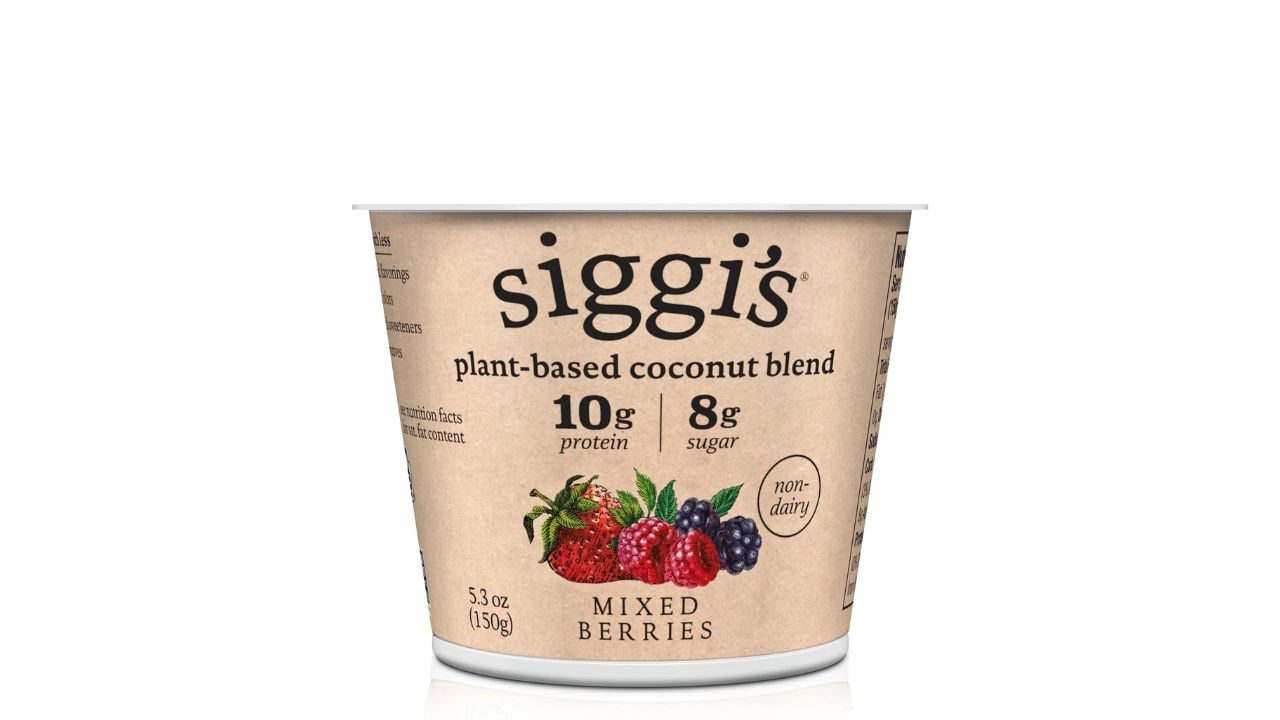
If you’re vegan or avoiding dairy, the yogurt shelf can feel limiting—but there are good options. Some soy-based yogurts, and even some almond or coconut cottoned ones, deliver probiotics and are fortified with calcium and vitamin D.
The trick here is making sure you’re not trading away protein or loaded on added sugars. Some plant yogurts taste great—but nutritionists warn many of them skip on protein and add more sweeteners than you realize. Choosing one with at least 10–12 grams of protein (or topping with nuts/seeds) helps balance that.
Every time you pick up a yogurt, look for fewer ingredients, less added sugar, and at least 10 grams of protein. That’s the baseline the pros use. If you keep those standards in mind, you’ll avoid the traps and keep your breakfast (or snack) working for you instead of against you.
*This article was developed with AI-powered tools and has been carefully reviewed by our editors.
Leave a Reply