
Saving on groceries doesn’t have to mean clipping coupons or switching to all off-brand products. The real savings come from changing how you plan, buy, and use food — not necessarily what you buy.
Most people spend more than they realize simply because of small habits that quietly add up week after week. The good news? You can easily cut $50 this month without sacrificing quality or feeling like you’re missing out.
Plan around what you already have
Before you ever step foot in the store, check your fridge, freezer, and pantry. Most people buy duplicates of things they forgot they already had — pasta, canned goods, even condiments. That’s money tied up in food you didn’t need to replace yet.
Start your meal planning by writing down what you already have that can become part of a meal. If you’ve got chicken breasts in the freezer and rice in the pantry, you only need to grab a few fresh ingredients to pull dinner together. The less you buy, the less you spend.
Cut back on convenience
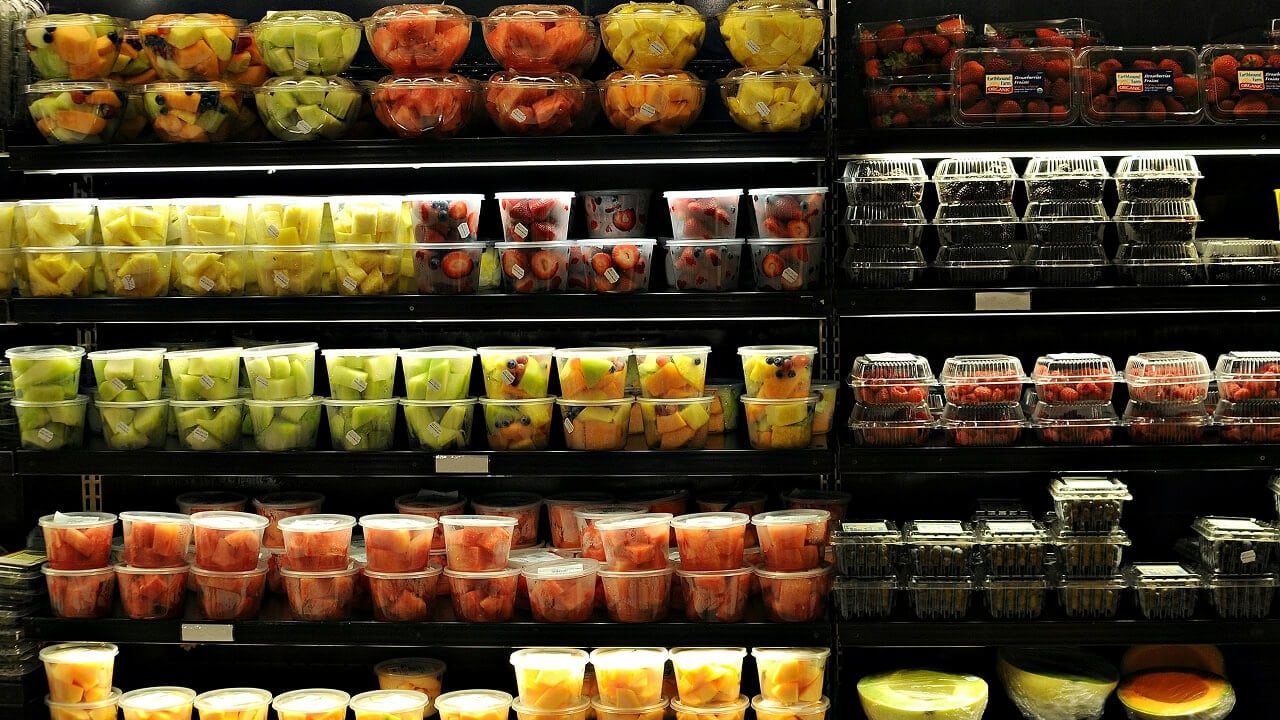
Pre-chopped vegetables, shredded cheese, single-serve snacks — they save a few minutes but can double your grocery cost. Those markups are huge, and when you add them up across multiple items, you’re spending far more than you realize.
You can get the same results with a little prep time at home. Chop veggies when you unload groceries, buy block cheese and shred it yourself, and use reusable snack bags for portioning. The savings add up fast, especially if you swap out three or four convenience items per week.
Stop wasting what you already bought
Food waste is one of the biggest budget leaks in most households. Produce goes bad, leftovers get forgotten, and things get shoved to the back of the fridge. Every time you throw away spoiled food, you’re literally tossing money in the trash.
To stop it, plan meals that share ingredients. If you buy a bag of spinach, use it in omelets, salads, and pasta. Store leftovers in clear containers so you can see what’s inside, and dedicate one night a week to using up what’s left before it spoils.
Shop your store’s markdown section
Almost every grocery store has a markdown area — usually near the back of the store or close to the produce section. These are items that are nearing their “sell by” date but are still perfectly fine. You can find meat, produce, dairy, and even bakery goods marked down as much as 50%.
Grab what you’ll use within a few days, or freeze it to stretch your savings even further. Just make sure you’re buying things you actually eat, not random sale items you’ll forget about later.
Watch the price per unit, not the sale sign
Sales can be misleading. “Buy two, get one free” or “10 for $10” sounds like a great deal, but sometimes the individual unit price is higher than a non-sale item in a different brand or size.
Always check the unit price on the shelf tag — that’s the real way to compare costs. Sometimes the bigger container is cheaper per ounce, and other times smaller sizes win out depending on promotions. A few small swaps per trip can shave several dollars off your total.
Skip the impulse items at checkout

Those end caps and checkout displays are designed to make you spend more. Whether it’s a snack, drink, or “limited-time” item, it’s usually overpriced and unnecessary.
Keep your focus on your list. If you know you’re tempted, order groceries online for pickup — it’s easier to avoid impulse buys when you’re not walking past every shelf. It also lets you see your total as you shop, so you can remove extras before you check out.
Don’t be loyal to one store
Prices can vary wildly from one grocery store to another. Milk, eggs, and meat might be cheaper at your local discount grocer, while pantry staples are better priced at a warehouse store.
Instead of doing one big trip, try splitting your shopping. Go to your main store for weekly items and hit another once a month for bulk or budget staples. You’ll get the best prices without making multiple long trips every week.
Use freezer meals to stretch your ingredients
Cooking in batches saves money and time. When you double a recipe and freeze half, you’re cutting down on future grocery trips and reducing the chance that food goes to waste.
Soups, casseroles, marinated meats, and breakfast sandwiches all freeze well. You’ll end up with quick meals ready to go — and fewer nights where you resort to takeout because nothing’s ready.
Switch a few name brands for store brands
You don’t have to give up everything you love, but swapping out a few go-to items can make a real difference. Most store brands are made by the same manufacturers as the name brands, especially for staples like canned goods, dairy, and frozen vegetables.
Try one or two each week and see which ones measure up. You’ll be surprised at how many taste identical, and those small switches can easily save $10–$15 a week.
Keep track of your savings
The best way to make this stick is to actually track what you’re saving. Write down last month’s grocery total and compare it to what you spend after making these changes. When you see that number drop by $50 or more, it’s motivation to keep it going — and you’ll know it’s working because you’ll feel it in your budget, not your pantry.
*This article was developed with AI-powered tools and has been carefully reviewed by our editors.
Leave a Reply