
Most holiday dinners run over budget because of extras guests didn’t ask for—signature drinks, specialty disposables, and last-minute “just in case” appetizers. The main course rarely breaks the bank. It’s the add-ons and the timing. Fix those two and your receipt drops without your table looking bare.
Choose one welcome drink and skip a second option
A single, self-serve drink station—spiced tea, mulled cider, or sparkling water with citrus—covers everyone and costs far less than stocking mixers, juices, and multiple alcohol options. If you want to offer wine, pick one bottle per four adults and pour after dinner is plated. People drink less when there’s a meal in front of them, and you aren’t paying for half-empty varietals.
Replace disposable “pretty” with durable basics
Theme napkins, special cups, and holiday straws look cute on TikTok and add $25–$40 fast. Use real plates, one set of cloth napkins, and mason jars or classic glasses. If laundry sounds daunting, set a dish tub with soapy water and let napkins soak overnight. You’ll buy once and use for years.
Serve two hearty sides instead of a grazing table
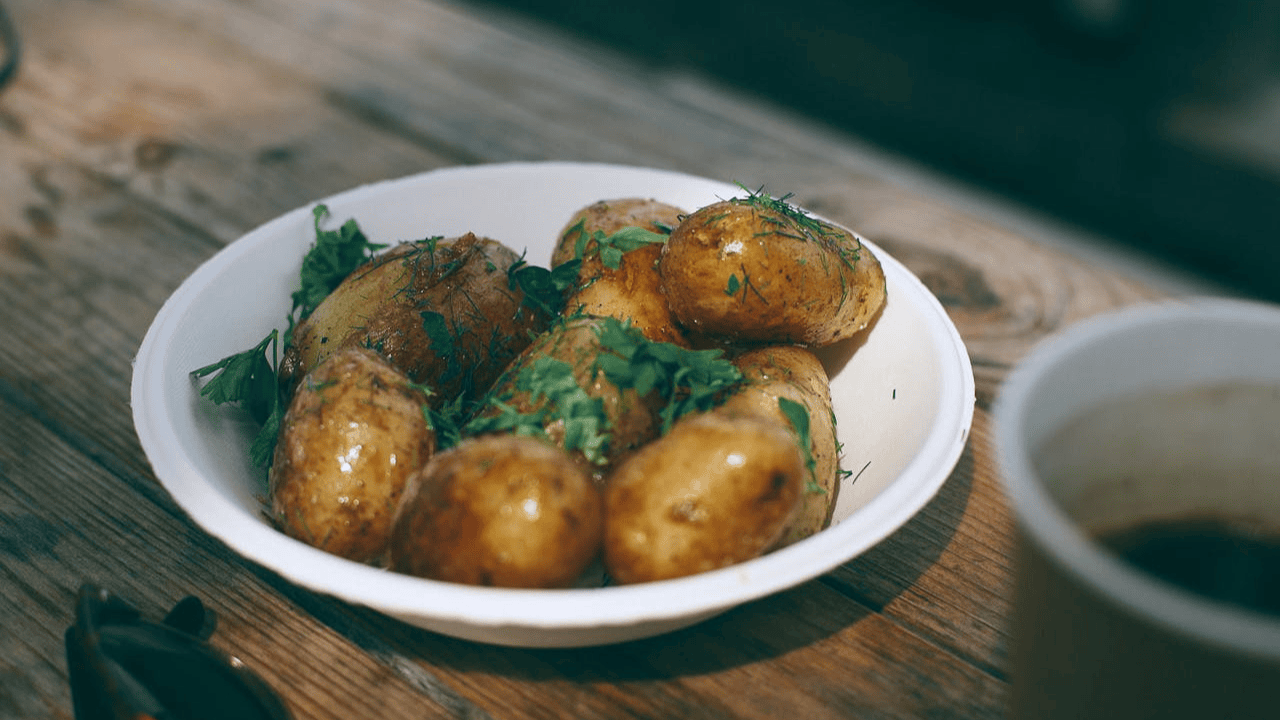
Cheese boards, dips, and mini desserts nibble your budget dry. Choose two filling sides guests love—potatoes and a vegetable—with bread and butter. People remember hot, well-seasoned food more than a dozen tiny bites. If you crave variety, ask one guest to bring a family-favorite side and another to handle a simple dessert.
Plan your quantities with real numbers
Overspending hides in “I don’t want to run out.” Use easy math: 6–8 ounces of cooked protein per adult, 1 cup of each side per person, and one roll each. For dessert, figure one slice per adult plus two extra total. When you plan for actual appetites, you stop buying a second round “just in case.”
Buy once, prep once, and park the car

Last-minute store runs always add “one more thing.” Shop two to three days ahead with a list built from your exact menu. Do all chopping and par-boiling the night before, label containers, and stack them in order of use. Park the car and commit to cooking what you bought. You’ll save on gas, impulse upgrades, and stress.
Let guests help with the thing they do best
People like contributing. Give clear options—bread and butter, a veggie side, salad, or dessert—and say how many you actually need. It saves money and spreads the work. If someone insists on bringing drinks, ask for sparkling water and a single bottle of wine. Your budget stays intact and the table stays full.
You can host generously without overspending. One welcome drink, durable basics, two hearty sides, real portions, one organized shop, and specific guest help remove the cost creep that sneaks in every year.
*This article was developed with AI-powered tools and has been carefully reviewed by our editors.
Leave a Reply