
Most trips get expensive because we travel on the same days as everyone else. Shift the pattern by one or two days and you can drop your flight price, your hotel rate, and even your rental car total without changing the destination.
The three-day trick is simple: fly midweek, stay over a Saturday night, and anchor your plans around the cheapest 72-hour window for that route. You’ll still get a full trip—just with better math.
Here’s how to use it without turning planning into a second job.
Start with a midweek flight search first
Airlines price by demand, and Tuesdays and Wednesdays usually run quieter. Search departures Tuesday or Wednesday and returns Saturday or Sunday. That single shift often drops fares compared to classic Friday-to-Sunday weekends. If work is flexible, try Monday-to-Thursday; if school isn’t, push homework on the front end and you’re home before the new week starts.
If you can only adjust one side, move the outbound to midweek. The first leg sets the price tone more than you’d think.
Lock the saturday night and let everything else flex
Many hotels and flight sales key off a Saturday-night stay. Keep that anchor and slide the other nights around it. A Thursday–Sunday or Wednesday–Saturday trip hits the sweet spot where airfare dips and nightly rates drop between business and leisure peaks. You also dodge the Sunday return crowd when airports feel clogged and prices climb.
When you check hotel calendars, look for rate heatmaps. If Friday spikes, arrive Wednesday; if Sunday is soft, leave Monday morning.
Split lodging to fit nightly swings
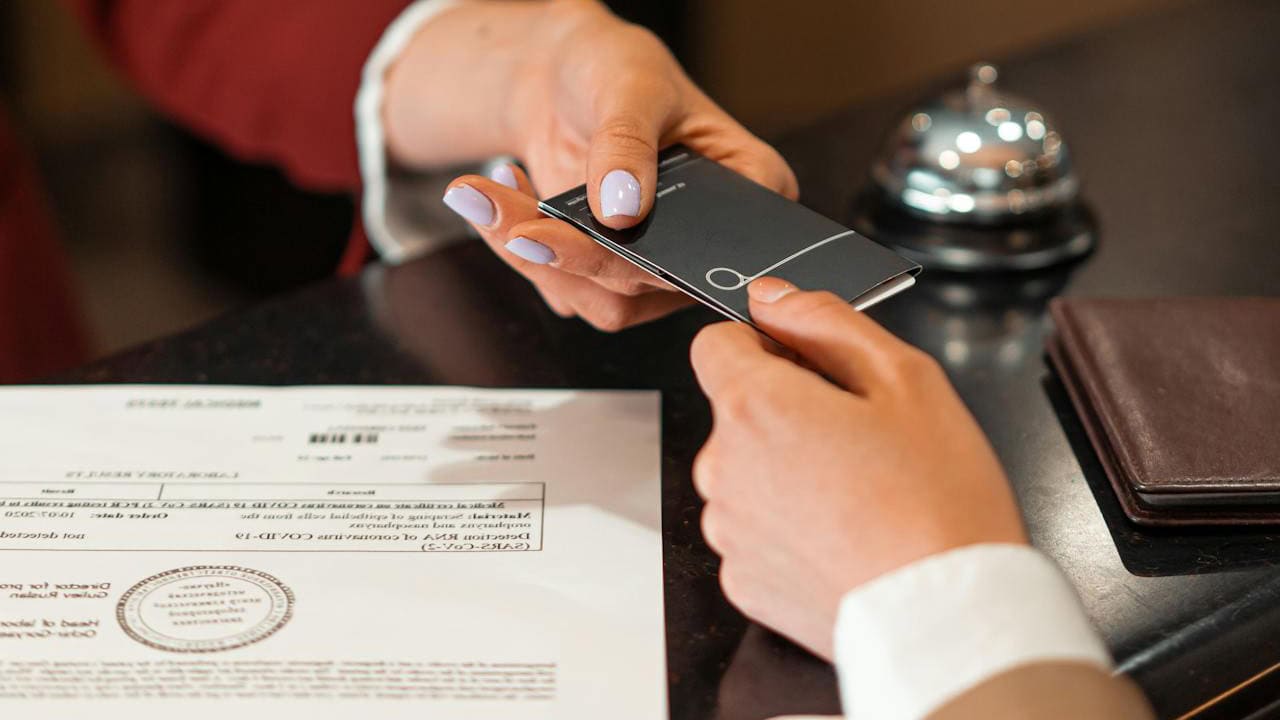
Big cities run expensive in the core on weekends but cheaper in business districts. Book a central spot for the cheaper nights and slide to a business-heavy neighborhood for the pricier night. Two hotels might sound like hassle, but you buy back real money, and most places will hold bags before check-in. If you’re in an apartment rental, consider one with flexible check-in so you can move during the day and still make dinner easily.
Keep your palette consistent—neutral bags, tidy packing cubes—so moving doesn’t feel chaotic.
Use day-by-day pricing on activities
Museums, tours, and attractions often show lower prices or free days midweek. Plan your big ticket for Wednesday or Thursday and save Saturday for parks, markets, and free neighborhoods. Restaurants run less crowded on Thursdays, so you’ll snag reservations more easily and spend less time waiting. Your most expensive day becomes your calmest day, which feels like a win on vacation.
If the weather looks rough, swap days. The three-day core gives you room to pivot without paying change fees.
Aim for a three-calendar-day footprint

Arrive midday on day one, plan your biggest paid activity on day two, and keep day three light with a late-afternoon flight home. You’ll get a full two-and-a-half days on the ground while paying for only two or three hotel nights. For longer trips, repeat the pattern in a second city connected by a cheap train or bus. You’ll see more without stacking full-price weekend nights.
Pack carry-on only so same-day moves and earlier flights stay easy to catch.
Stack small, quiet savings
Book a hotel with breakfast on at least one of your nights. Use public transit passes where they exist—day tickets beat piecemeal rides. Eat one market or bakery lunch daily, then choose one special dinner you’ll remember. If you need a rental car for a day trip, pick it up outside the airport on your cheapest day; daily rates and taxes often drop off-airport.
Set phone reminders: one to recheck the flight price inside 24 hours, one a week out to repricing your hotel. Many rates drop close-in.
The three-day trick works because you stop traveling like the crowd. Plant a Saturday night, fly midweek, split lodging if it helps, schedule the paid thing on the cheap day, and keep your bags light. You’ll feel like you beat the system—and your bank account will agree.
*This article was developed with AI-powered tools and has been carefully reviewed by our editors.
Leave a Reply