
Buffet food loses steam fast, and that’s when guests stop eating and start wandering for snacks. The cheap fix is something you probably already own: hot water and a shallow pan.
You’re building a quick “poor man’s chafing dish” that uses steam to hold temp without cooking anything to death. Add towels and lids, and you’ve stretched your serving window for the cost of a dollar store foil pan.
You don’t need fancy gear. You need a little insulation and a gentle heat source.
Use a water bath under the serving dish
Set a disposable foil roasting pan on the table. Pour in an inch of very hot water from the kettle. Place your ceramic or glass serving dish directly on top so the bottom is in contact with the water but not floating. The gentle heat holds casseroles, mashed potatoes, and chili warm without drying them out.
Top up with hot water halfway through the party if the pan cools. It takes twenty seconds and saves a tray.
Preheat your serving dishes
Run hot tap water over your ceramic bowls or put them in a warm (not hot) oven for a few minutes while you finish cooking. Warm dishes buy you extra time before the food temperature drops. Cold bowls are the reason good food turns lukewarm in minutes.
Dry dishes fully before they hit the buffet so you’re not adding water to the food.
Insulate with a towel layer
Slip a clean, folded towel under the foil pan to protect the table and keep heat from escaping into cold wood. If your dish has a lid, use it between servings. No lid? Lay a clean tea towel over the top like a restaurant would. People will lift, scoop, and cover again. It’s shockingly effective.
If you’re worried about drips, set a thin cutting board under the towel.
Keep portions small and refill often
Big pans lose heat as the top layer cools. Serve half the food in the warm setup and keep the rest in a low oven. Refill when it drops below halfway. Fresh pans stay hotter, look better, and reduce the urge to stir (which releases heat and breaks textures).
Label the oven with a sticky note so helpers know where the backup lives.
Rotate in a slow cooker for saucy dishes
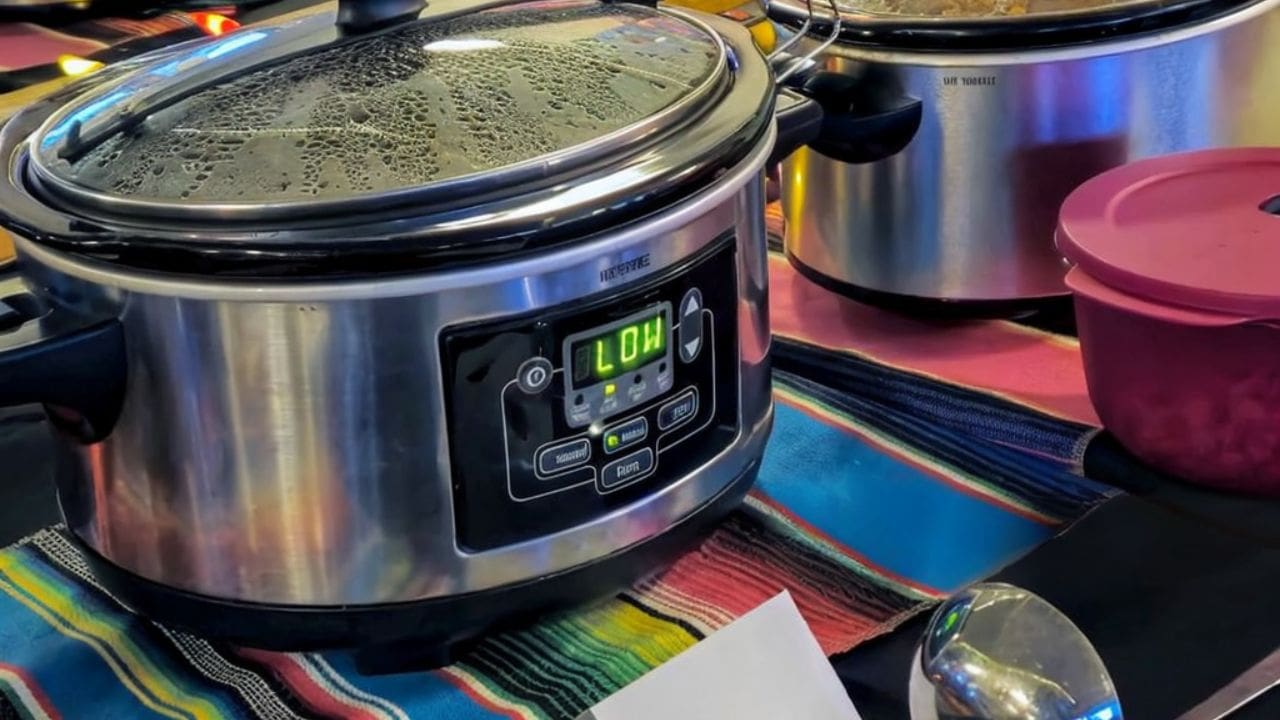
Chili, meatballs, gravy, and queso earn their keep in a slow cooker on warm. If yours runs hot, wedge the lid slightly with a wooden spoon so steam doesn’t thin everything. For queso, add a splash of milk and stir before you put it out. It keeps the shine and stops that skin from forming.
Keep the cord out of traffic and tape it down if the table gets busy.
Group foods by temperature needs
Put hot foods together and keep cold foods on a separate surface or a tray over ice. When you group them, heat and chill zones aren’t fighting each other. The hot side stays warmer longer because it isn’t sharing space with frozen spinach dip and fruit.
Make a visual line: all hot pans on one runner, all cold on another. People figure it out without asking.
Use lids and small spoons for dips
Warm dips cool down fast because everyone exposes the surface while scooping. Keep the dip in a smaller bowl on the water-bath pan, set the spoon across the top, and cover with a lid or plate between passes. The temperature stays happy and the top doesn’t crust.
Refill from a backup bowl in the oven so the display stays tidy.
Stage the line so guests serve and move
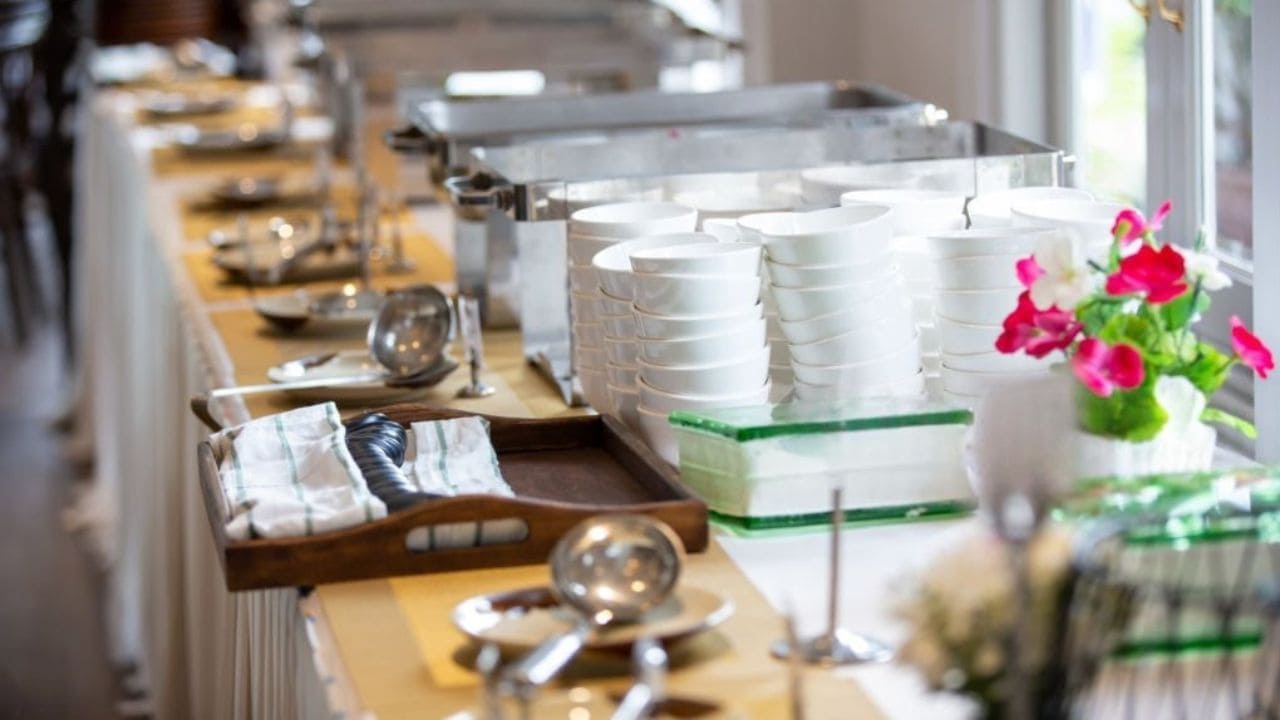
Plates first, then mains, then sides, then utensils and napkins last. This stops the pileup at the front and keeps lids from sitting open while people hunt for forks. Faster line equals hotter food.
Put a small sign that says “lids back on, please.” People listen when you ask nicely.
Finish with a quick post-service reset
When the main rush ends, swap any tired pans, dump the water, and start fresh. If the party goes long, two resets keep the buffet hot without you hovering. You did the work; now enjoy your people.
A foil pan, hot water, warm dishes, towels, and small lids stretch your food’s warm window for a dollar and a minute of setup. It’s not fancy. It just works—and your guests will keep going back for seconds.
*This article was developed with AI-powered tools and has been carefully reviewed by our editors.
Leave a Reply