
A pretty fridge feels satisfying. Clear bins, matching containers, labels on everything—it looks like you’ve got life together. But if you’re still throwing out slimy spinach and half-used leftovers every week, that picture-perfect setup might actually be working against you.
Here’s how “organized” can quietly turn into “wasteful”—and what to adjust so your food actually gets eaten.
1. Too many bins hiding what you need to use up
When every single thing lives in a bin, you can’t see the actual food at a glance. Yogurts get shoved behind juice, produce hides under containers, and leftovers sit under a stack. By the time you remember them, they’re done.
Use bins for true categories that need corralling—like kids’ snacks or sauce packets—and leave most everyday food visible on shelves where you can scan it quickly.
2. No dedicated “eat this first” zone
If “use it up” items are spread all over the fridge, you’ll always miss something. Give them one home—a front corner of the middle shelf, a shallow bin, or a section of the top shelf.
Leftovers, open deli meat, cut fruit, and anything close to the date live there. When you open the fridge to make lunch or dinner, you check that spot first before you grab anything new.
3. Drinks hogging the best real estate
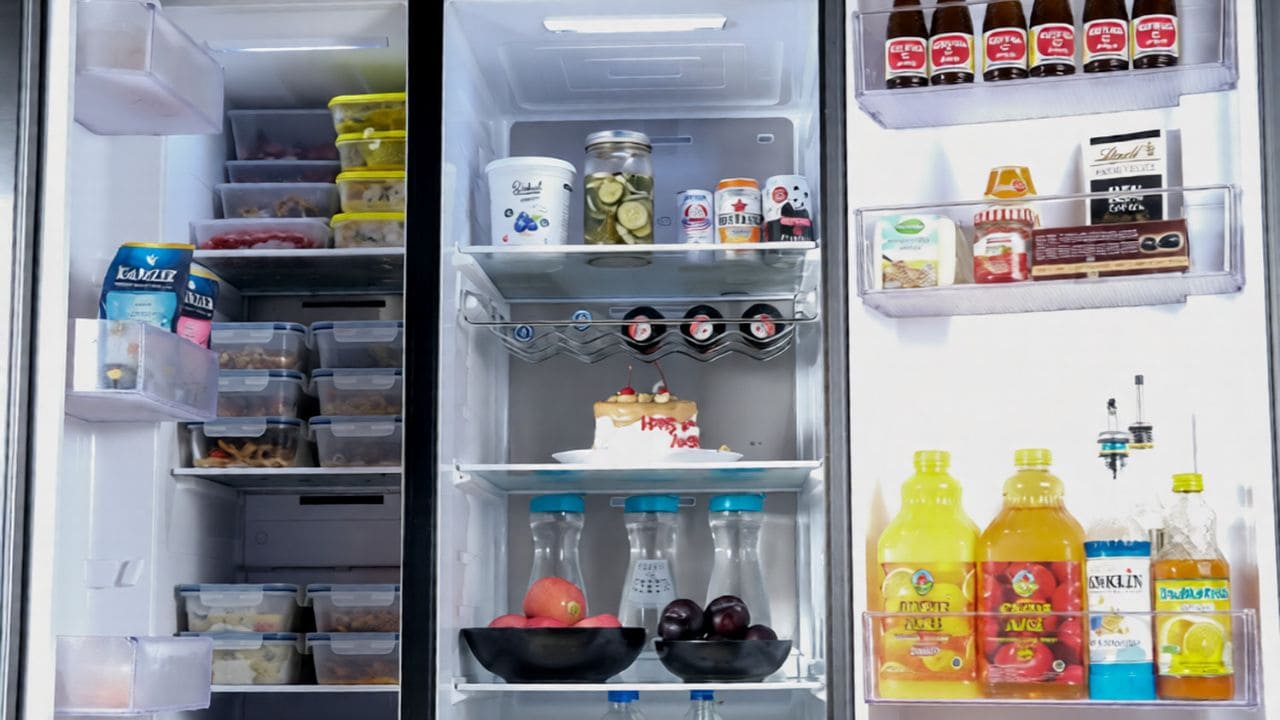
Sodas, juice, and pretty drink can rows usually get the center shelf and door space because they look good. But those are prime spots for things that actually expire fast—like cooked food, dips, and produce you prepped.
Shift drinks to the door and bottom shelf. Keep the easy-to-waste stuff at eye level so it doesn’t get forgotten behind a line of sparkling water.
4. Clear containers that all look the same
Matching containers are nice, but if every leftover is in the same size and color, your brain stops tracking what’s what. One container becomes “mystery mush” pretty quickly.
Try using two or three sizes you can tell apart at a glance—and label the lid with a piece of tape and the date. When you’re tired, you don’t want to guess; you want to grab something you recognize and reheat it.
5. Overfilling the fridge to “look stocked”
It’s easy to treat the fridge like a pantry and keep it packed full all the time. The problem is, air can’t circulate well, cold spots and warm spots form, and things spoil faster—especially produce shoved in the back.
Aim for about 75% full. Enough food to get through the week, but with space to see what you have and let cold air do its job.
6. Putting everything in the wrong zones
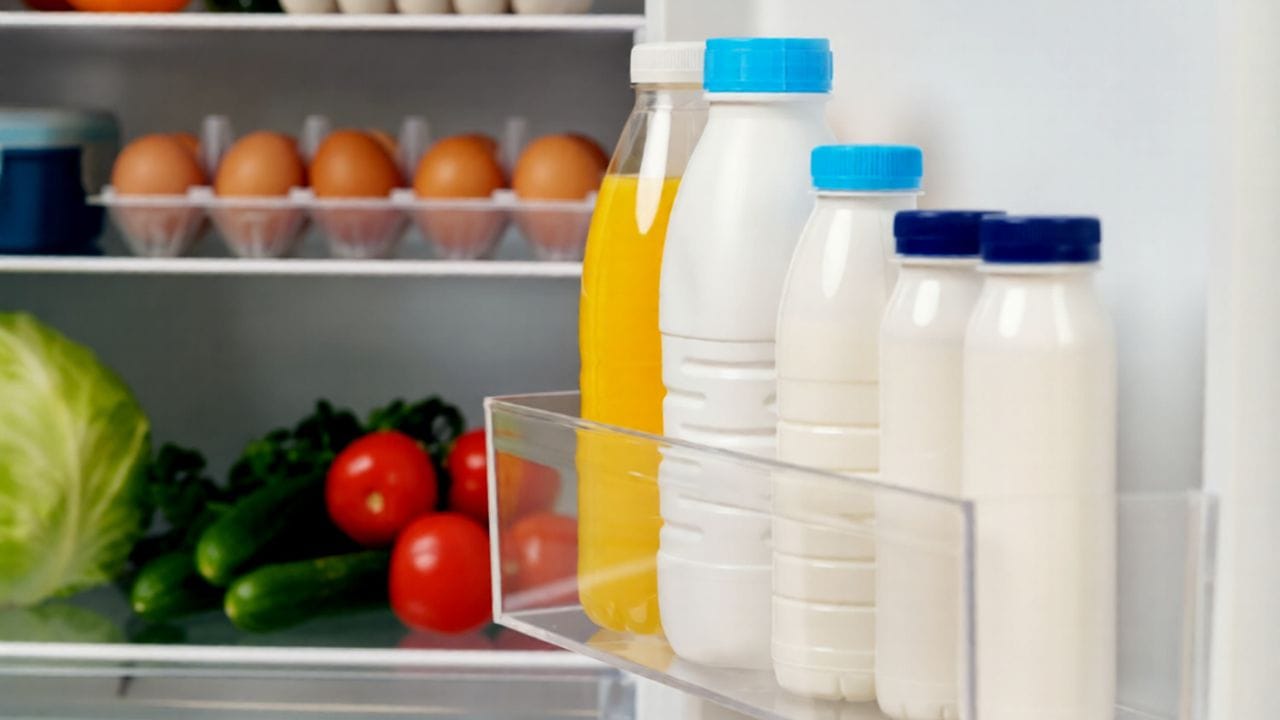
Doors are a little warmer, drawers are more humid, and back shelves are colder. If milk lives in the door and lettuce sits on the warmest shelf, you’re shortening their life span.
Use the door for condiments and stable items, the back middle shelves for dairy and leftovers, and the drawers for produce (one for crisp veggies, one for fruits and items that bruise).
7. Organizing to look good instead of match your meal plan
If your fridge is styled instead of planned, you’ll always feel like you “don’t have anything to make,” even when it’s full. A nice-looking row of snacks doesn’t help you at 5 p.m. if there’s no protein or planned sides.
Build your fridge around your actual meals for the week—proteins, sides, snacks—and let the organization serve that. A simple fridge that reflects your meal plan will save more food (and money) than the fanciest bin system ever will.
*This article was developed with AI-powered tools and has been carefully reviewed by our editors.
Leave a Reply