
Most people don’t realize how much of their financial stress comes from daily habits that quietly drain their money. You can’t change what you don’t see, and sometimes, being “broke” has more to do with spending patterns than income.
If you’re swiping your card without thinking or treating wants like needs, the problem isn’t bad luck—it’s behavior. The good news is, once you get honest about where your money’s actually going, it gets a whole lot easier to fix.
Upgrading everything that still works

There’s nothing wrong with wanting nice things, but constantly replacing what already works keeps you broke. Upgrading your phone, furniture, or wardrobe when it’s not necessary eats up savings that could be building stability.
Learn to separate “want” from “need.” When you use what you already have until it truly wears out, you’ll realize how much money you were throwing away on upgrades that didn’t improve your life.
Eating out because you didn’t plan ahead

Fast food and takeout feel convenient, but they’re a silent budget killer. Grabbing $10 meals a few times a week adds up to hundreds every month—and most of it comes from poor planning.
A basic grocery list and a few easy meals you can throw together after work save serious money. Keep backup ingredients on hand so eating out isn’t your fallback.
Ignoring your subscriptions

Streaming services, apps, gym memberships, and random online tools quietly auto-renew every month. You might not even remember half of what you’re paying for.
Do a quick audit. Cancel what you don’t use regularly, and downgrade plans where you can. Even trimming a few $10 charges adds up fast when you do it across the board.
Financing lifestyle instead of income

If you’re taking on debt for clothes, furniture, or vacations, you’re digging a hole you’ll eventually feel. Those “buy now, pay later” offers don’t make things affordable—they just delay the pain.
If you can’t pay cash without tapping your savings, you can’t afford it. Focus on building income first. When money comes in before expenses go out, life feels a lot less stressful.
Shopping to feel better

Retail therapy feels good in the moment, but the dopamine rush fades fast. The problem is, you’re left with clutter and a tighter budget for things that actually matter.
Next time you want to shop, pause for 24 hours. If you still want it the next day, fine—but half the time, you’ll realize you didn’t need it. That pause alone can save you hundreds a month.
Not tracking what you spend

If you don’t know where your money’s going, you can’t control it. Guessing never works—you’ll always underestimate what you spend.
Write it down or use an app to track for a month. Seeing the numbers in black and white is uncomfortable, but it’s also freeing. Once you see where the leaks are, you can plug them.
Skipping maintenance
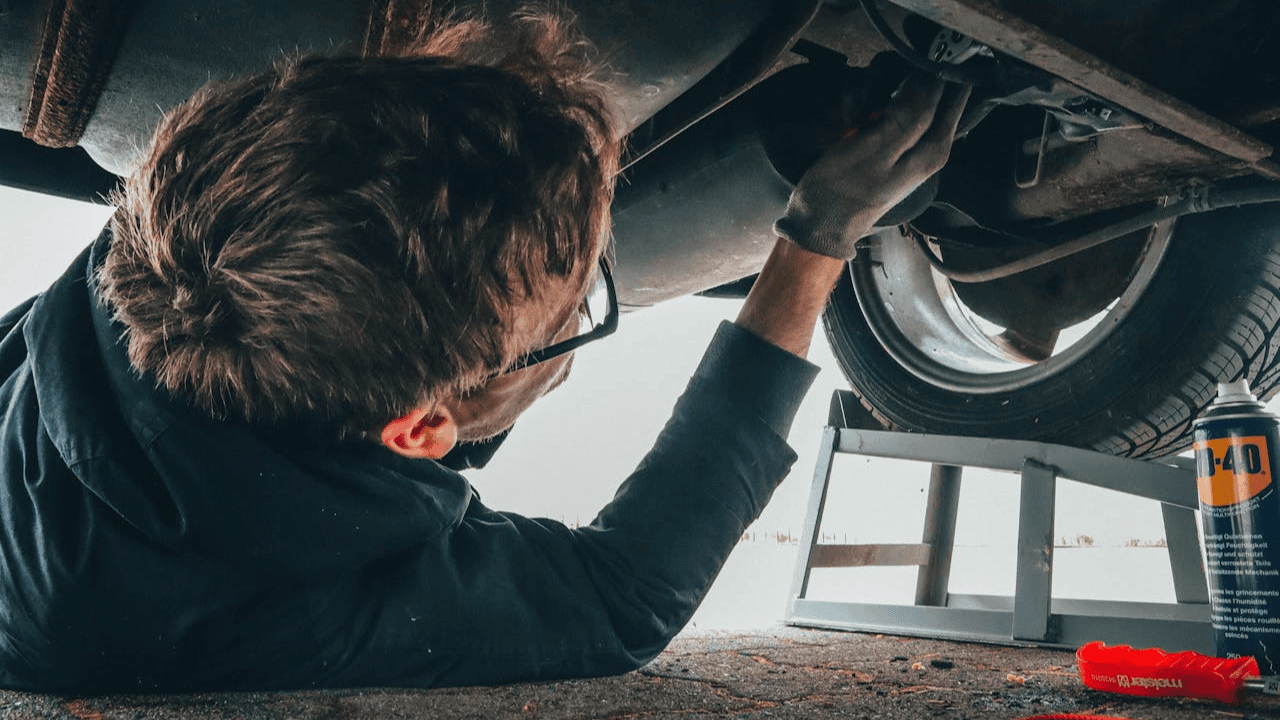
Ignoring maintenance—on your car, your house, or your health—costs you more later. Small fixes are always cheaper than replacements.
Oil changes, tire rotations, dentist visits, and air filter swaps might not be fun, but they keep you from expensive breakdowns later. Taking care of what you own is one of the smartest ways to save long term.
Saying yes to every invitation

Saying yes to every dinner, weekend trip, or event adds up quickly. It’s easy to feel like you’re missing out if you say no, but constantly keeping up with everyone else is one of the fastest ways to drain your budget.
Learn to say “not this time.” You’ll spend less and appreciate the things you do say yes to even more.
Refusing to budget because it feels restrictive

A budget doesn’t take your freedom—it gives it back. When you plan where your money goes, you stop wondering where it went.
Budgets aren’t about depriving yourself. They’re about being honest. You can still spend on what you value—you’ll just stop wasting on what doesn’t matter.
Blaming circumstances instead of adjusting
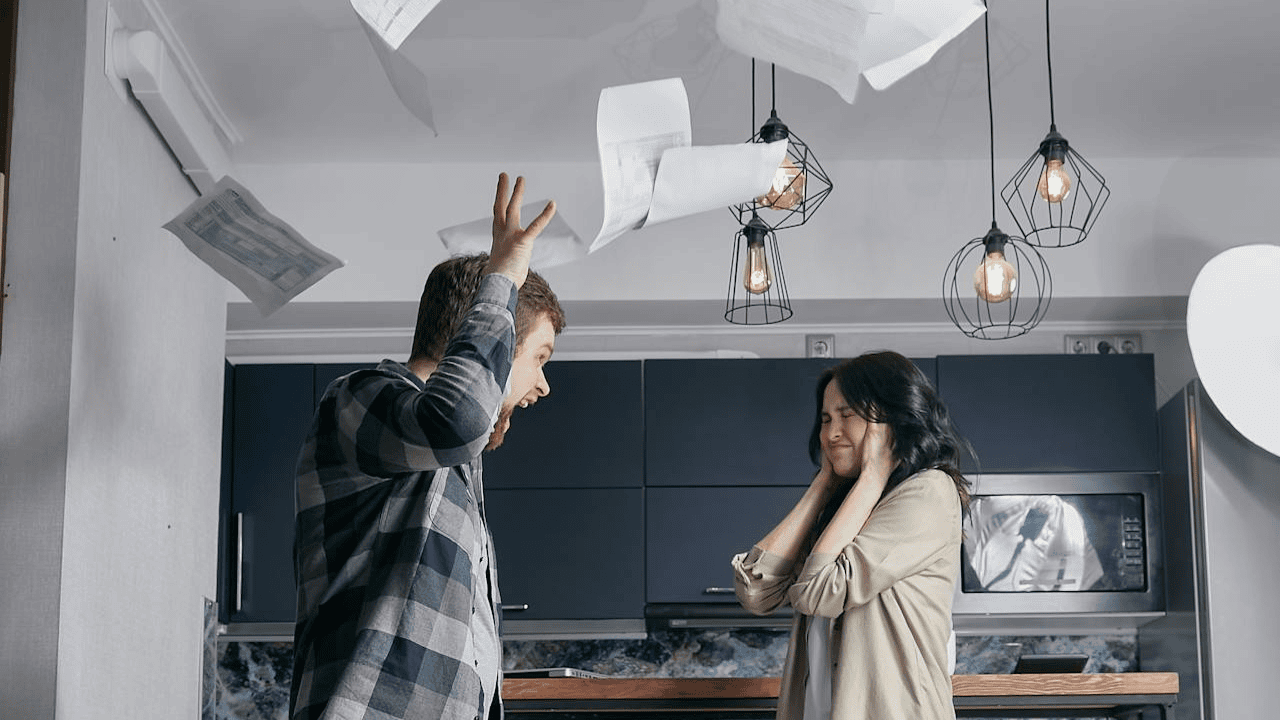
It’s easy to blame prices, bills, or your job, but those things rarely change overnight. What you can change is how you manage what you have right now.
Once you stop making excuses and start making adjustments—canceling things, downsizing, planning better—you’ll feel more control. Being broke doesn’t have to be permanent, but it does take accountability to turn it around.
*This article was developed with AI-powered tools and has been carefully reviewed by our editors.
Leave a Reply