
Most state quarters are still worth 25¢. But a short list of error varieties and special issues can be worth real money—and they pop up in change, old coin jars, and inherited collections.
Here’s the Chic-n-Savvy rundown of what’s actually worth checking for, plus how to spot the fakes and avoid paying to grade a coin that isn’t special.
The short list that really matters
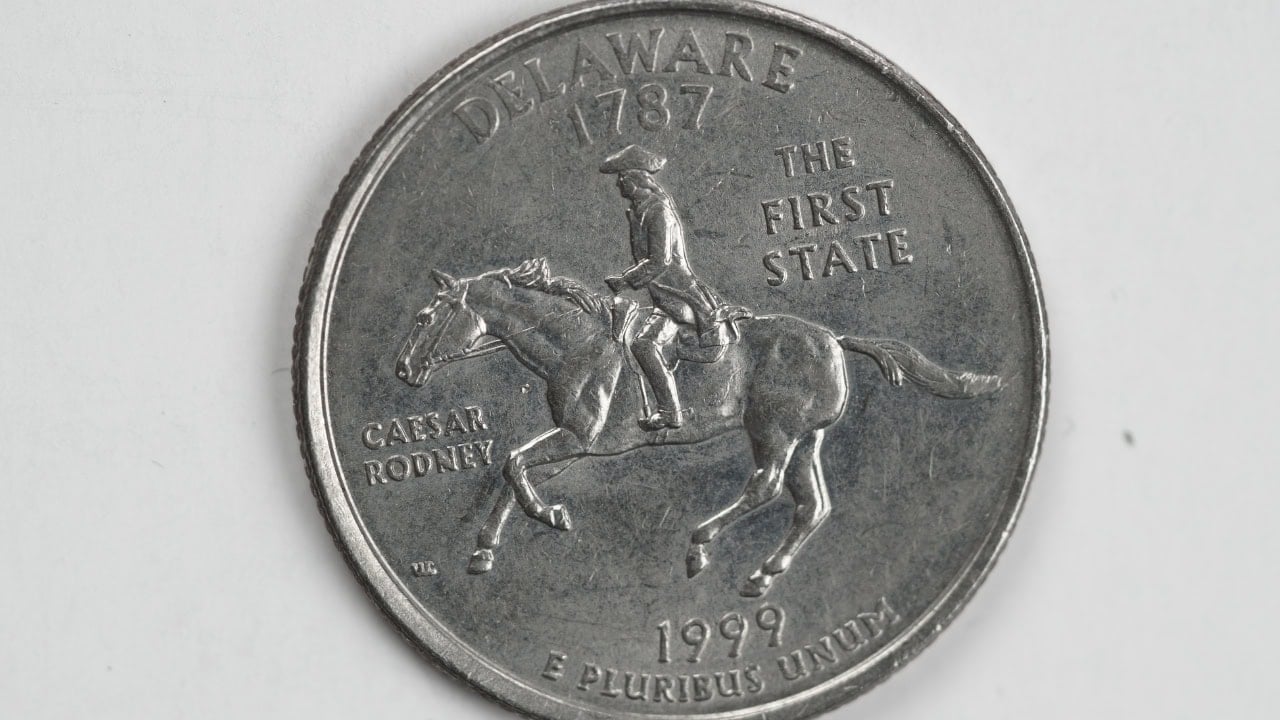
A widely shared roundup of valuable state quarters highlights the same usual suspects we see over and over:
- 1999-P Delaware “Spitting Horse.” Die crack at Washington’s mouth.
- 2004-D Wisconsin “Extra Leaf” (High or Low). Extra corn leaf on the reverse.
- 2005-P Minnesota Doubled-Die (multiple varieties). Extra tree outlines.
- 2009-D District of Columbia Doubled-Die. Doubling on “ELLINGTON.”
These (plus a handful of others) are the ones that reliably carry premiums, especially in nicer condition. GOBankingRates+1
What they can be worth (realistic ranges)
Values change with condition and demand, but recent guides place many of these in the $10–$100+ range in circulated shape, with certified high-grade examples going higher. Silver proof state quarters (sold to collectors, not found in regular change) bring collector premiums too.
Translation: most finds aren’t “retirement money,” but they’re worth more than face value if you’ve truly got the right variety and decent grade. GOBankingRates+1
Quick checks that save you time (and grading fees)
- Date + mint mark = everything. “2004-D” (Denver) matters for the Wisconsin extra-leaf; the Philadelphia “P” matters for certain Minnesota varieties. No mint mark on state quarters = Philadelphia. GOBankingRates
- Look for the feature, not the rumor. For Wisconsin, you should actually see a distinct extra leaf on the corn, high or low. Guessing doesn’t sell. GOBankingRates
- Condition multiplies value. Scratches, heavy wear, or cleaning with abrasives will nuke premiums. If you think you’ve got something solid, don’t clean it. (Ever.)
- Proofs vs. circulation. Mirror-like fields and frosted devices = proof coin (often from sets). Silver proofs are 90% silver and trade well above face. Gainesville Coins
Where to confirm before you spend a dime
- Reputable price guides and dealer blogs will show diagnostic photos (extra leaf position, doubled-die markers). Gainesville Coins’ explainer is a good, plain-English starting point. Gainesville Coins
- Local coin shops can tell you in two minutes if it’s worth grading. Save PCGS/NGC fees for coins that a pro believes will justify the cost.
Red flags (so you don’t get burned)
- “Looks kind of doubled.” True doubled dies have clear, split serifs/letters—not blur or shake.
- Polished or damaged coins being sold as “rare.” Cleaned = devalued.
- Social-media hype prices. Viral posts sometimes quote top-grade auction outliers. Your circulated coin probably won’t match that. Use realistic guides. the-sun.com
Bottom line: Check your jars for the specific varieties above. If the diagnostics match and the condition is decent, you’re likely looking at more than pocket change—and sometimes a lot more if yours is a high-grade or proof example.
*This article was developed with AI-powered tools and has been carefully reviewed by our editors.
Leave a Reply