
There’s “cheap,” and then there’s “budget-friendly but still feels thoughtful.” Most of us are aiming for the second one. You want to stick to what you can realistically spend, but you don’t want your gift to feel like you grabbed the first clearance item by the door.
The good news? You don’t have to spend much to give something that feels solid. You just have to stop thinking in terms of “price” first and start thinking in terms of usefulness + presentation.
Start with things people actually use up
The easiest way to make a lower-cost gift feel intentional is to choose something consumable—something they’ll finish, not store. That instantly dodges the “where am I going to put this?” problem.
Think:
- A good chocolate bar or two in flavors they’d actually pick
- A small bag of decent coffee or tea
- A bottle of nice dish soap or hand soap for the kitchen sink
- Pantry treats like good crackers, local honey, or a special jelly
These don’t have to be fancy brands. A simple upgrade from what they usually toss in their cart can feel surprisingly generous.
Pair one useful item with one small “extra”

One of the best tricks is pairing a practical item with a tiny bonus. It makes the gift feel fuller without adding a ton of cost.
For example:
- A kitchen towel and a bottle of dish soap
- A mug and a packet of cocoa or tea
- A notebook and a pen that actually writes well
You’re still working with small, affordable pieces, but together they feel like a set instead of a random object.
Use plain wrap and simple tags to make it look intentional
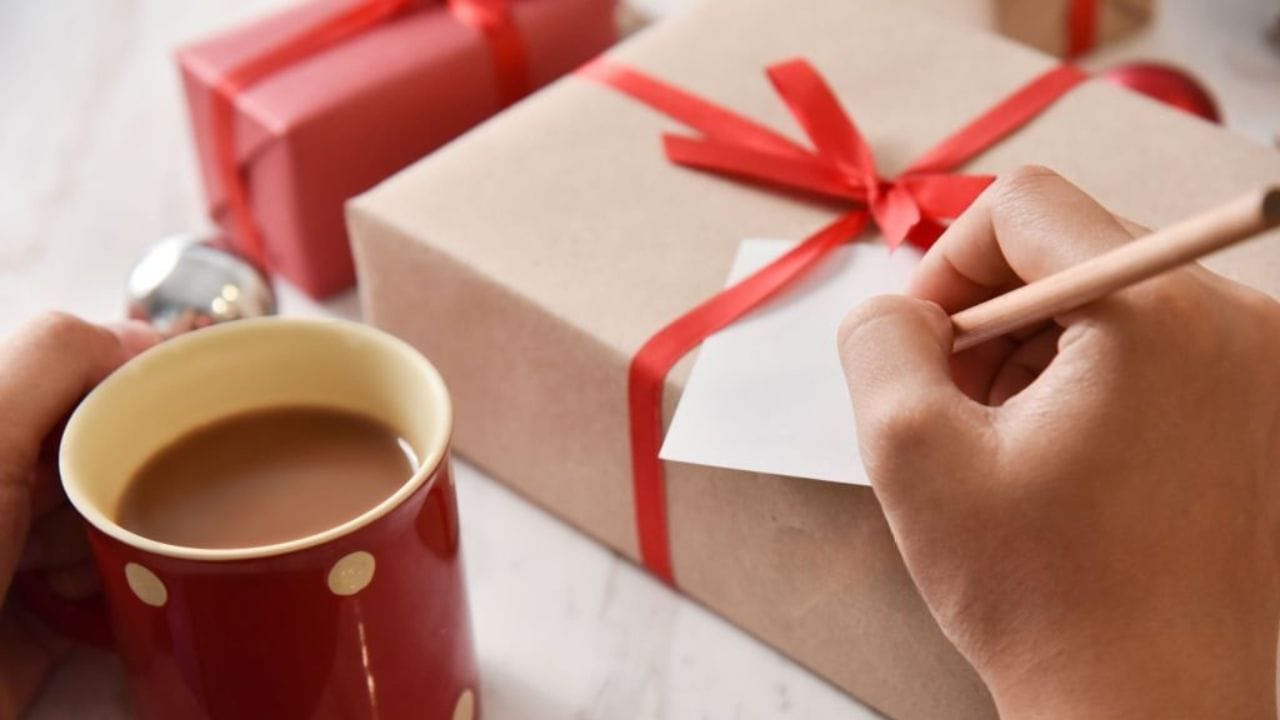
You don’t need themed paper for every person. Plain kraft paper or even a brown lunch bag can look put-together if you add a sprig of greenery, twine, or a clean-looking tag.
It’s funny how much a gift changes once you:
- Wrap it neatly (even if your corners aren’t perfect)
- Tie on twine or ribbon instead of using twenty stick-on bows
- Add a simple handwritten tag with their name
That little bit of care does more for the “vibe” than any expensive packaging ever will.
Lean on “better everyday” instead of novelty
Novelty gifts—the funny mug, the odd gadget, the trendy thing—tend to feel cheap because they don’t have a real job after the laugh wears off. A better strategy is taking something ordinary and stepping it up one notch.
Ask yourself: what do they use daily? Coffee, soap, notebooks, socks, kitchen tools, snacks? Then look for a version that’s slightly nicer, softer, or more thoughtful than what they’d buy for themselves. That’s how a $10 gift feels like it belongs in their life instead of ending up in a donation box in January.
Match the gift to the person’s real life
A low-cost gift goes further when it clearly fits the way someone actually lives. For example:
- A parent with little kids might appreciate a sturdy travel mug or a pack of sticker activity books more than a bath bomb.
- A neighbor who loves to cook might appreciate sea salt, olive oil, or a simple wooden spoon.
- A teacher might actually use nice pens, sticky notes, or a small tote bag.
When the gift lines up with their real routines, the price matters less. It feels like you’ve been paying attention.
Give yourself permission to keep it simple
The pressure to impress can push you into spending more than you planned on things that don’t really fit. You don’t have to compete with anybody’s social media feed. A small, well-chosen gift wrapped with care, plus a short note that says, “I appreciate you,” will always beat a more expensive thing tossed into a bag at the last second.
Cheap doesn’t have to look or feel cheap. With the right mix of usefulness, simplicity, and a little bit of heart in how you present it, lower-cost gifts can land exactly the way you want them to: thoughtful, practical, and easy on your budget.
*This article was developed with AI-powered tools and has been carefully reviewed by our editors.
Leave a Reply