
You don’t need a house full of antiques to have something valuable. Military items get passed down, tucked into trunks, or picked up at garage sales—and the right pieces can sell for serious cash. The trick is knowing what buyers really chase, how to prove it’s real, and how to store/sell without ruining value.
What sells (and why)
Collectors pay for three things: scarcity, condition, and story. Items tied to a specific unit, battle, person, or moment in history have built-in demand—especially if they’re complete, original, and traceable. Think:
- Named uniforms and insignia (with unit/branch and a servicemember’s name).
- Original medals and citations with paperwork (e.g., Purple Heart with award documents).
- Period field gear (packs, canteens, bayonets) that’s clearly wartime issue—not postwar reproductions.
- Maps, letters, and photos that document a campaign or day-to-day life.
- Patch sets and unit flags (authentic, not repros).
- Pilot gear (WWII flight jackets with original patches are a whole category).
- Named trench art and POW items with provenance.
Rarity plus a clean paper trail beats “looks old” every time.
Paperwork and provenance: the quiet jackpot

A common cap can jump massively in value if you can connect it to a specific person and timeframe. Pull everything together: service records, photos, letters, shipping tags, engravings, even the story your family always told—then write it down. Buyers pay for proof because it saves them detective work and lowers risk.
How to tell repro from the real thing
- Materials and stitching. Modern thread glows under blacklight; wartime cotton typically doesn’t. Reproduction leather often looks too perfect or too dry.
- Markings. Period maker stamps, contract numbers, and inspector marks matter. No marking doesn’t always mean fake, but it means slow down.
- Aging pattern. Honest wear shows edges, sweat staining, and sun fade where you’d expect it. Fake patina looks “even” or weirdly placed.
Cleaning, storing, and not ruining value
- Do not polish or “restore.” Patina is proof. A buffed medal or re-dyed jacket loses authenticity points.
- Store cool and dry. Avoid attics/garages. Acid-free boxes for paper, padded hangers for uniforms, breathable garment bags—not plastic totes.
- Digitize everything. Scan letters and photos, then tuck the originals back into archival sleeves.
Where to sell (and how to list)
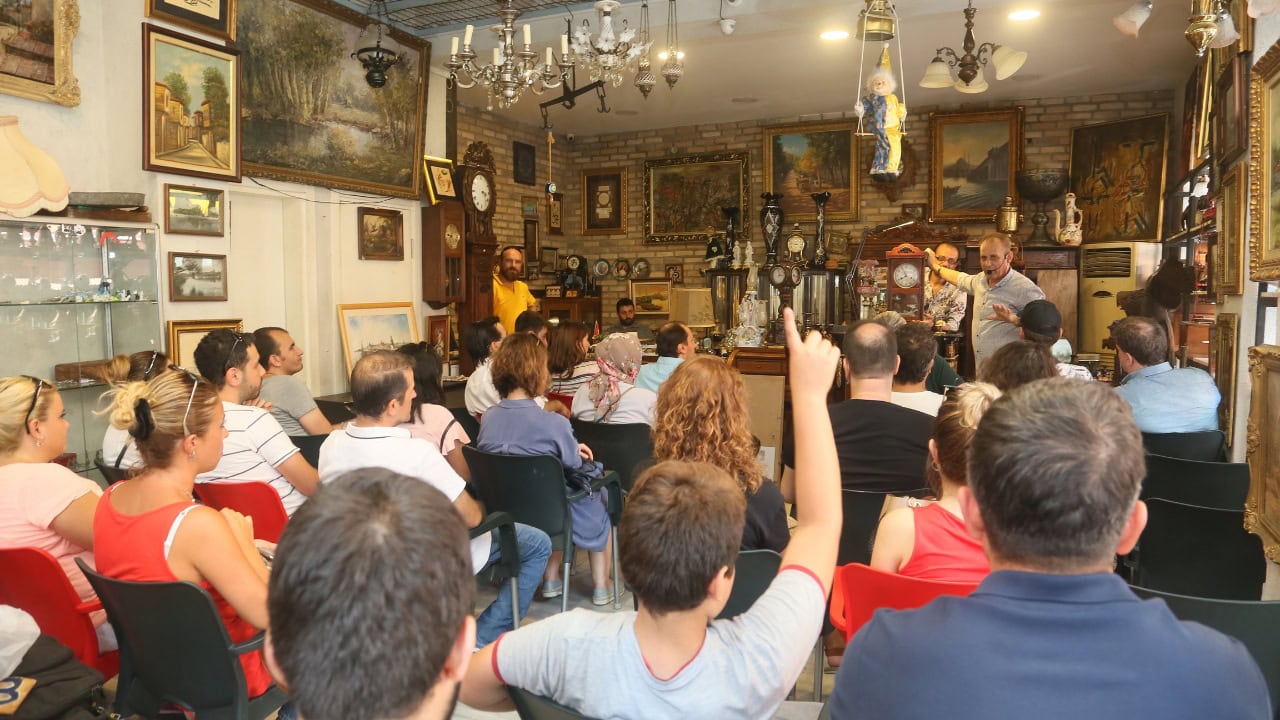
- Specialty auction houses/dealers when you have named, documented, or rare items. They already have the buyers.
- Collector forums/shows for mid-range pieces; you’ll learn fast what you’ve got.
- Local estates/online marketplaces for common gear—price fairly and include tons of photos.
In your listing: front/back/close-ups, maker marks, measurements, and the full story (names redacted if you prefer). Clear beats clever.
Red flags to avoid
- “Mint, never worn, one-of-a-kind” with no provenance.
- Mixed-era sets pieced together to look complete.
- Aggressive cleaning (“we polished it up for you!”).
- Sellers who won’t provide additional photos or answer basic questions.
Collectors pay for real history, documented. If you think you’ve got something good, protect it, gather its story, and sell where the right buyers are looking. Even everyday items can surprise you when the paper trail is strong.
*This article was developed with AI-powered tools and has been carefully reviewed by our editors.
Leave a Reply