
I wanted the plain-English version—no gatekeeping, no scare tactics. Here’s the keep-it-running plan they would hand to family, based on what long-life vehicles all have in common (plus checklists from AAA and Consumer Reports).
Your high-mileage non-negotiables
- Follow the service intervals in the owner’s manual. Not the sticker on the windshield, not internet myths. The manual wins. Most modern oils comfortably run beyond the old “3,000-mile myth.”
- Change fluids on time—all of them. Oil, coolant, brake, transmission, and differential. Dirty fluid kills parts early. Use the spec your manual calls for, not “close enough.”
- Air + cabin filters, belts, hoses, battery. Cheap parts that prevent expensive failures. Crusty hoses and weak batteries strand people more than “mystery engine problems.”
- Tires and alignment. Correct pressure and a basic alignment on schedule protect suspension and steering. It also saves fuel.
A simple mileage-based schedule (print this)
- Every month: Tire pressure; quick look for leaks; test all lights.
- Every 5–7.5k miles (or annually): Oil + filter, rotate tires, inspect brakes.
- Every 15–30k: Engine air filter; cabin filter; brake fluid test; alignment check.
- Every 30–60k: Transmission service (method depends on vehicle), coolant service, spark plugs on some engines.
- Every 90–120k: Plugs (if not earlier), coolant (if long-life), belts, water pump if it’s due with the belt.
Adjust to your manual—some intervals vary by engine/transmission. Consumer Reports and AAA both publish maintenance guides that align with this cadence.
Driving habits that quietly add 100,000 miles

- Warm-up the smart way. Start, wait ~30 seconds, drive gently. Long idles wash cylinders and waste fuel.
- Skip short hops when you can. Cold starts + 1-mile trips create moisture and fuel dilution in oil. Batch errands.
- Ease into the throttle. Hard launches and late braking chew through mounts, pads, and tires.
- Keep it clean. Salt + grime corrode lines, radiators, and underbody connectors. A quick undercarriage rinse in winter helps.
Parts and shops: how not to overpay
- Use OEM or high-quality aftermarket for critical components (plugs, sensors, pumps). Cheap parts cost more later.
- Find one shop and build a history. Ask for ASE-certified techs; save every invoice. A consistent shop flags little problems before they’re big. AAA’s networks are a good starting list.
Red flags that mean “fix it now”
- Any temperature spike, sweet smell, or coolant loss. Overheats end engines.
- Vibration under load or at highway speed (tires, axles, or mounts).
- Transmission flare/shudder on takeoff. Early service can save it; waiting rarely does.
- Oil pressure light even for a second. That’s not a “monitor it” light.
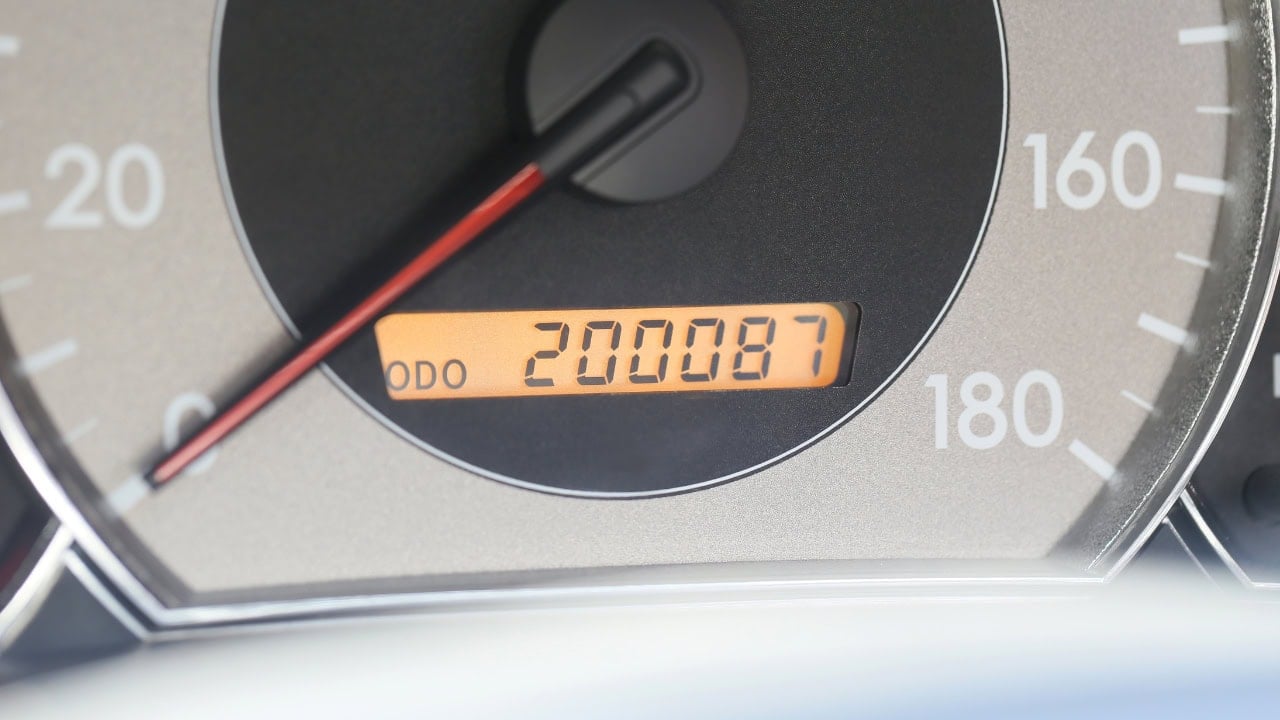
300k isn’t luck. It’s fluids, filters, tires, alignment, and a shop that knows your SUV by name. Stick to the manual, keep records, and fix little things fast. Do that, and 300,000 miles looks very normal.
*This article was developed with AI-powered tools and has been carefully reviewed by our editors.
Leave a Reply