
It’s easy to think you’re being smart with money when you grab the cheapest option, but if you’ve ever had something fall apart the second time you used it, you know how fast “cheap” turns expensive.
Replacing low-quality items over and over drains your wallet faster than spending a little more once. The fix isn’t spending big—it’s learning how to buy smarter.
You’re mistaking low price for value
A low price tag feels like a win, but value comes down to how long something lasts and how well it works. A $20 tool that breaks in a year costs more long-term than a $60 one that holds up for a decade. The same goes for clothes, appliances, or even cleaning products.
Before buying, think in terms of cost per use. Divide the price by how long it will realistically last. When you do that math, “cheap” often looks like the worst deal in the room.
You’re buying based on impulse, not research
Cheap items feel safe to buy without thinking too hard, but that’s how bad purchases pile up. You don’t need to spend hours researching every little thing, but a quick look at reviews or brand reputation can save you money and frustration.
Stick with products that have consistently good feedback, not the ones that rely on flashy packaging or big discounts. The five minutes you spend reading reviews can make the difference between something that lasts and something that ends up in the trash before the month’s out.
You’re skipping the middle ground

Most people shop at two extremes—either buying the cheapest thing available or convincing themselves they need the best of the best. The truth is, most of the time the smartest buy is somewhere in between.
Mid-range products often use similar materials or construction as high-end brands without the inflated price tag. You’ll pay a little more upfront, but you’ll stop wasting money replacing the same bargain-bin item over and over.
You’re not maintaining what you buy
Even good-quality stuff wears out fast when it’s not taken care of. Cheap items are usually less forgiving, which makes upkeep even more important. Cleaning, storing, or using something properly can double its lifespan—and that’s real savings.
For example, tools last longer if they’re kept dry and oiled. Clothes hold up better if you wash them on cold and skip the dryer. It doesn’t take much extra effort, but it saves you from constantly spending on replacements.
You’re falling for sales instead of buying on purpose
It’s easy to feel like you’re saving money when something’s marked down, but sales often get you to spend more on things you didn’t actually need. The real fix is buying intentionally.
Make a list of what you actually use and wait for those things to go on sale. That way, you’re taking advantage of discounts without letting them control you. Spending $20 on something unnecessary isn’t a deal—it’s $20 gone.
You’re not learning from the pattern
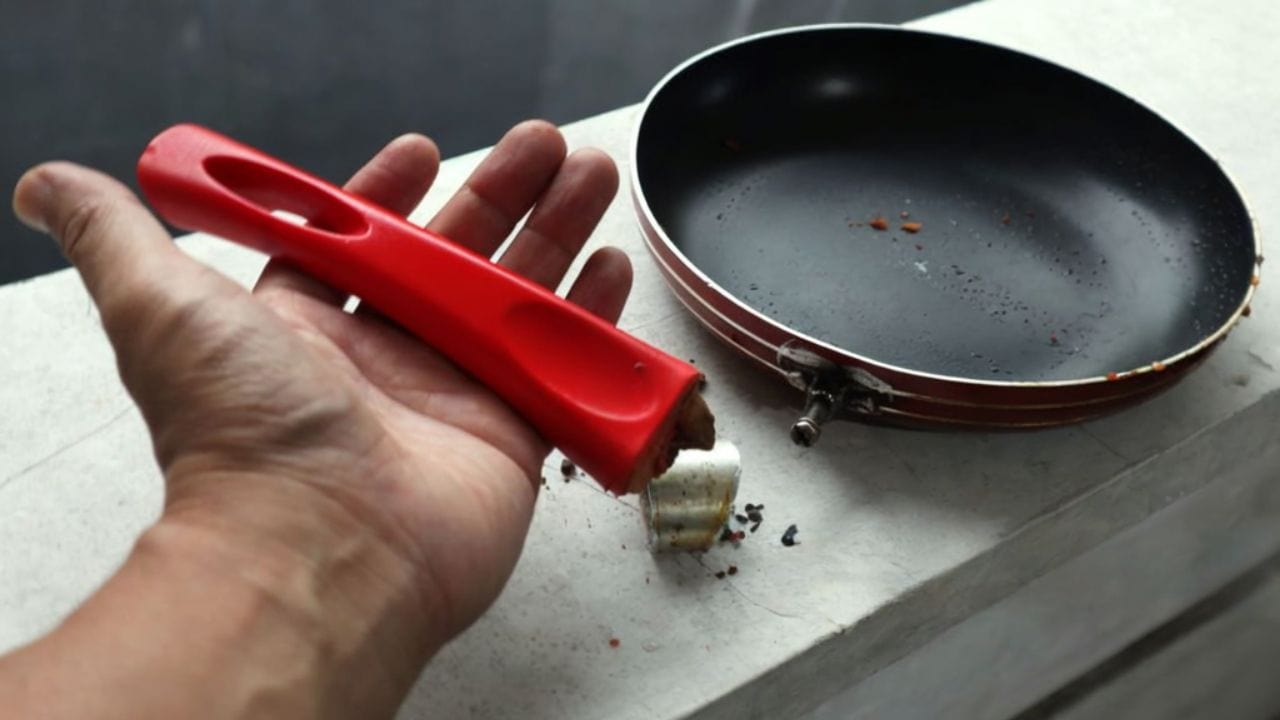
If you’ve replaced the same kind of item multiple times in a year—cheap shoes, flimsy pans, weak batteries—it’s a sign to stop repeating the cycle. Recognizing where you keep wasting money helps you spend better next time.
When something breaks, take a second to figure out why. Was it poor quality? Was it neglected? Did it come from a store that always lets you down? The more honest you are about what went wrong, the easier it gets to avoid it again.
You’re underestimating how much bad buys add up
One $10 mistake doesn’t matter much. But ten of them a month? That’s a car payment. The hidden cost of cheap stuff is how it chips away at your budget little by little until you realize you’ve spent hundreds on junk that didn’t last.
When you start thinking in terms of long-term savings instead of short-term deals, everything changes. You’ll start buying fewer things that actually work—and you’ll stop feeling like your money disappears every time you try to save it.
Being smart with money doesn’t mean never spending—it means spending once, and spending right.
*This article was developed with AI-powered tools and has been carefully reviewed by our editors.
Leave a Reply