
If you’ve been burned by a “clearance” tag that wasn’t much of a deal, you’re not alone. Walmart markdowns can be great—but they’re messy, store-by-store, and sometimes the best price isn’t the one staring at you on the shelf.
Here’s the playbook I use so I’m not paying “sale” prices for regular-price stuff.
Step 1: shop the app while you shop the aisle
Set your store location in the Walmart app before you go. When you see a clearance tag, scan the item’s barcode in the app (camera → scan). The app shows your store-specific price and any online-only price. If the app shows lower than the paper tag, screenshot it. Most stores will honor the in-store app price when it’s tied to that location. If the online price is lower, it’s still useful—you can decide if it’s worth ordering for pickup instead of paying more at the shelf.
Step 2: trust unit price, not “family size”
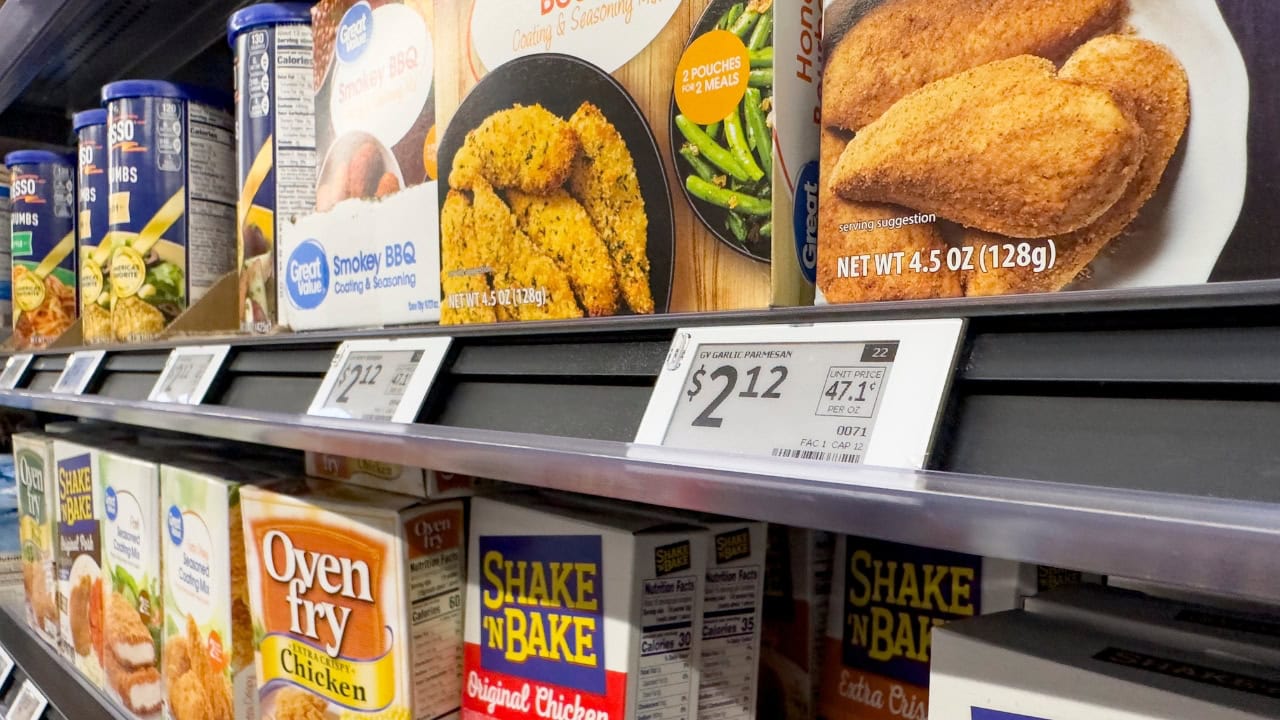
Clearance plays games with size. A giant box with a red sticker might be worse value than a smaller, everyday-price box on the next shelf. Compare unit price (cents per ounce/each). If the clearance unit price is higher than the regular unit price, put it back. It’s not a deal; it’s shelf theater.
Step 3: avoid “decorative clearance”
End caps look exciting because they’re bright and easy to reach. Walk them, but don’t stop there. Real markdowns hide in the home aisle where the item actually lives. Check both spots: the end cap and the home slot. I’ve found the end cap price higher than the markdown sitting ten feet away in the regular bay.
Step 4: verify the price at the scanner
If your store still has a price scanner, use it. Otherwise, scan with the app again. Some tags lag behind what’s in the system. I’ll re-scan anything with a big price difference or any item that rings oddly high at checkout. It takes twenty seconds and saves you from standing at customer service later.
Step 5: learn the rhythms—without chasing myths
Markdown schedules vary by store and manager. Morning restock often reveals dropped prices; midweek can be lighter traffic for snagging deals. Don’t get hung up on “secret code” rumors. The only code that matters is the actual price you see when you scan. Keep a short list of items you buy regularly with their “good” prices in your notes app so you know a real deal when you see one.
Step 6: check adjacent sizes and brands
Brands downsize quietly. If a clearance tag is attached to the older, larger size, grab it. If it’s attached to the new, smaller size, compare to store brand or to a completely different brand on the next shelf. If quality is equal, buy the best unit price, not the best sign.
Step 7: mind return rules on clearance
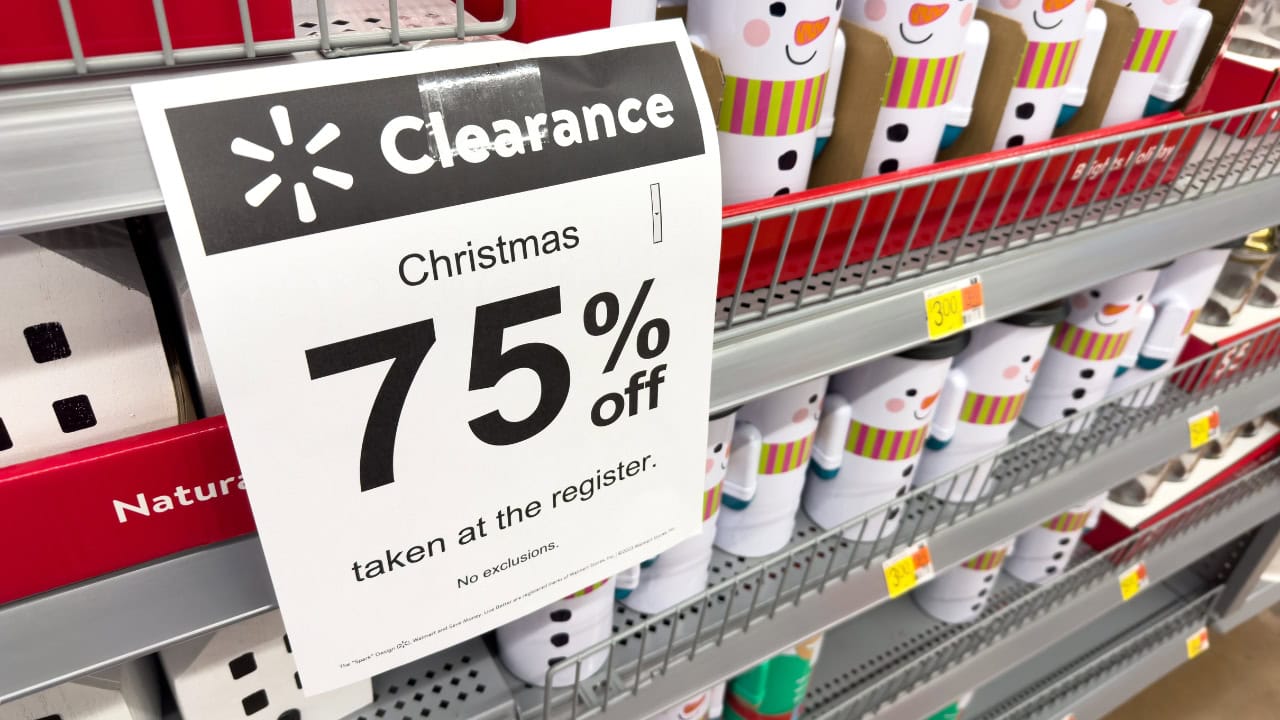
Most clearance is returnable if it’s not marked “final sale,” but it’s always smarter to check the receipt and keep packaging until you’re sure. Electronics and certain seasonal categories sometimes come with stricter timelines. If you’re stocking a gift closet, tag the receipt and tape it inside the box.
What I skip—even on clearance
- Open-box food or dented cans (I’m not arguing with myself about safety at 10 p.m.).
- Heavily seasonal decor unless the price is truly rock-bottom. If it’s two weeks before the holiday, odds are it’ll drop again the day after.
- Bulky “someday” buys. Don’t use clearance to justify clutter. If you wouldn’t buy it at full price this week because you need it, pass.
Real Walmart deals exist. You find them by scanning in the app, comparing unit price, and checking the home aisle instead of trusting end caps. When in doubt, keep your own “good price” notes. The tag isn’t the truth—the scan is.
*This article was developed with AI-powered tools and has been carefully reviewed by our editors.
Leave a Reply