
Seat upgrades aren’t only for elite flyers. You can move up without shelling out if you line up timing, inventory, and flexibility. The core idea is simple: be the easiest person to upgrade. That means booking the right fare, picking movable seats, checking in early, and showing up ready to say yes when the gate agent needs solutions. Stack these moves and you’ll sit in a better seat far more often than luck alone.
Here’s the playbook to work through from booking to boarding.
Start with fares and flights that actually upgrade
Upgrades flow when there are empty seats up front and a reason to reshuffle. Midweek flights, early- and late-day departures, and shoulder-season dates see more movement. Avoid basic economy if you can; a low standard fare often keeps you eligible for same-day upgrades and seat changes. When routes have multiple daily flights, pick the one that historically runs lower load—midday instead of prime after-work times.
If you’re choosing between two similar fares, take the one that lets free changes or same-day confirmed changes. Flexibility opens doors.
Watch the seat map and pounce when it changes
Check the map at 72, 48, and 24 hours before departure. Airlines push elites and paid upgrades through in waves, which frees up better economy and extra-legroom seats. When you see a better spot open, move yourself immediately in the app. If the app blocks you, call or use chat and ask to be reassigned to any available extra-legroom seat. Be specific and polite; you’re solving a tiny problem for someone on the other end.
Re-check again right after online check-in opens. New seats shake loose when schedules shuffle.
Pick seats that don’t trap you
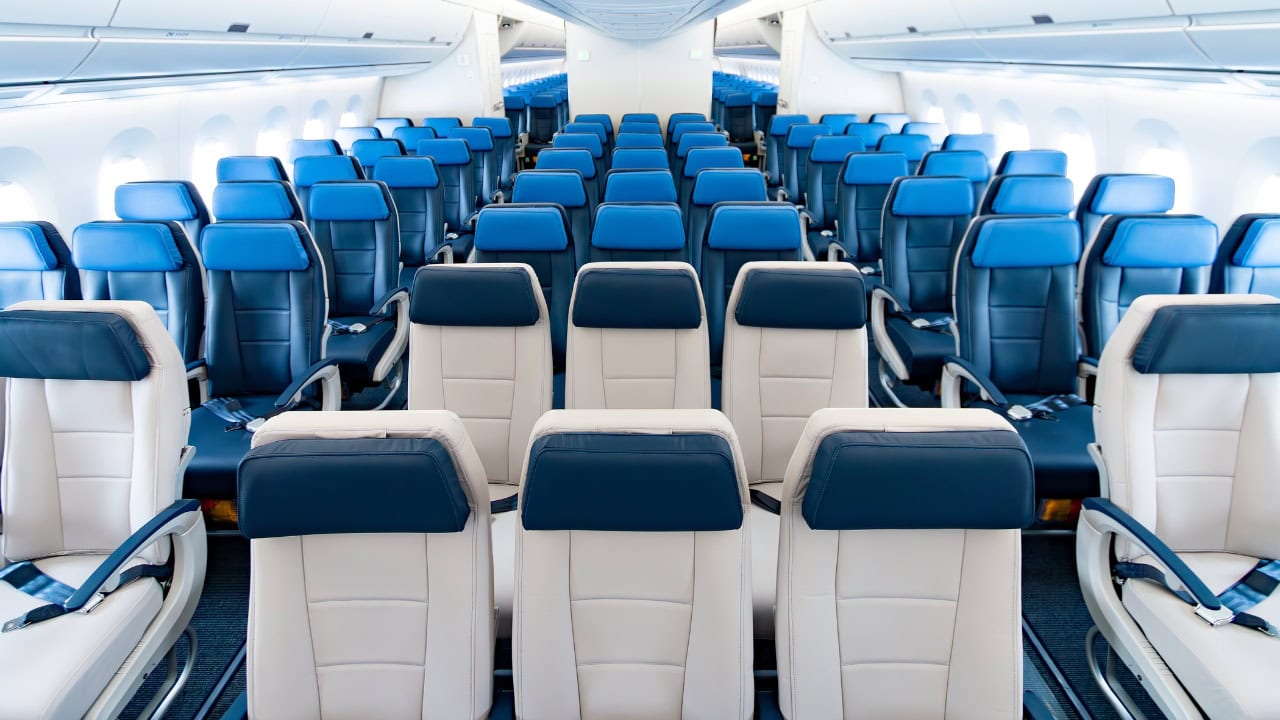
Choose any acceptable aisle or window, but stay out of exit rows and specialty seats that airlines protect. Avoid paid seats you can’t move from without a refund fight. Your goal is to be easy to reseat. If you’re traveling with a partner, book seats in the same row but not a locked pair, so agents can slot you together when better seats open.
If the seat map shows a cluster of open premium economy or extra-legroom seats, that’s a signal to book and monitor—those cabins often spill upgrades into regular economy.
Be the easy yes during irregular ops
When flights are delayed, swapped, or lightly oversold, agents need quick fixes—families together, exit rows staffed, weight and balance across the cabin. If you’re solo and flexible about aisle vs. window, say so. Offer to move to a different row to seat a family; you’ll often be placed in a better location or extra-legroom as a thank you. If you’re open to a later flight for compensation, mention it once and step aside. You’ve just become a relief valve.
Wear common sense clothing and keep your carry-on ready to stow underseat if asked. The easier you are to move, the better your chances.
Understand upgrade lists without chasing status
Elite status helps, but non-elites can still climb when there’s inventory left. Many airlines clear day-of paid upgrades at a discount; ask at the gate if there are “complimentary upgrades available for seat issues” and then, if not, “any low-cost day-of upgrade offers.” If the answer is no, ask for exit row or extra-legroom when they finalize the list. It’s still a win even if you don’t hit first.
If you fly the same airline a few times a year, hold its no-fee loyalty account and attach it to your booking. You won’t jump to the front, but you’ll appear in the system cleanly.
Check in early and set yourself up at the gate
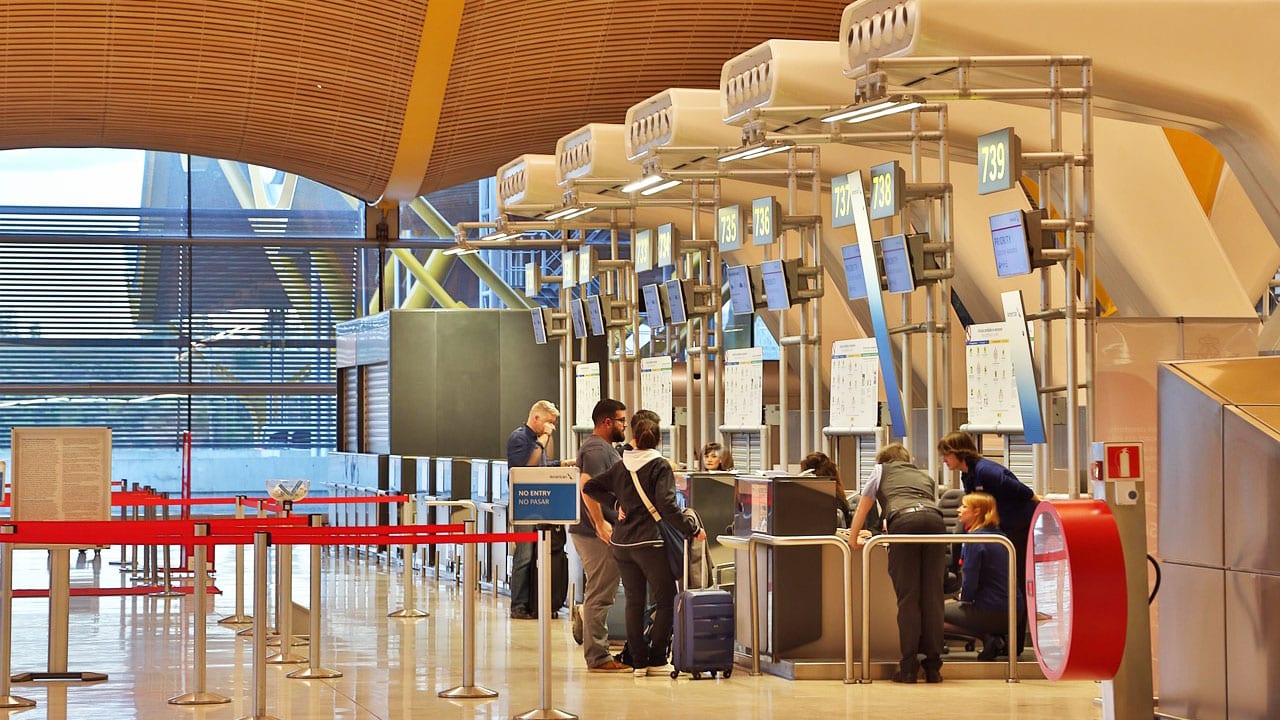
Check in as soon as it opens. Early check-in timestamps sometimes act as tie-breakers when agents move people. At the gate, scan the board for equipment changes or oversold signs in your cabin. If you hear a call for volunteers or see a full flight indicator, walk up and offer help politely. The agent now has your name in mind and your flexibility on record.
If you need a seat change for a practical reason—broken armrest, non-functional screen—ask once at the gate with a calm tone. Problems with a solution often become upgrades to available rows.
Travel pairs and families the smart way
Book on one reservation, but know that large parties rarely clear to premium cabins together. If you’re two adults, consider splitting the reservation at the airport if an agent suggests it, so one upgrade can clear. Many agents will then seat the second person into extra-legroom as a goodwill move. With kids, ask for a family seating fix first; once together, ask if there are any extra-legroom rows available. Agents often prioritize families for those rows over solo travelers.
Be clear on your priority. If sitting together matters most, lock that first and treat upgrades as a bonus.
Small extras that slightly tip the odds
Arrive at the gate early, be friendly, and don’t hover. Keep your app open, your bag condensed, and your ask short. If you’re celebrating something real—a honeymoon, an anniversary—mention it once, lightly. It won’t manufacture seats, but when a choice exists between two equally easy passengers, human nature sometimes helps.
If you do get moved up, say thank you on the way off the plane. That karma pays forward more than you’d think.
Upgrades aren’t magic. They’re the result of open seats, schedule chaos, and your flexibility. Book a movable fare on a flight with room to breathe, watch the map, check in early, and be the person who solves problems at the gate. You won’t win every time, but you’ll sit better more often—and pay nothing extra to do it.
*This article was developed with AI-powered tools and has been carefully reviewed by our editors.
Leave a Reply