
You’re not imagining it. Prices move more now—routes jump by hour, concert tickets spike at on-sale and dip at weird times, and “deal” emails show up the day after you booked. You don’t need to live inside ten apps to win. You need one alert set the right way and a couple of timing rules.
Flights: the alert that actually helps

Set a price change alert on a route, not just a single date. Use a flight search tool that lets you track specific city pairs over a date range and sends you an email or push when fares drop. Then widen your dates to “flexible weekends” or “next month” so the system can show you dips you’d never see searching day by day. When an alert hits, book fast and hold (or free-cancel within the 24-hour rule where available) while you confirm plans.
Timing rules that save real money:
- Book earlier for peak holidays and school breaks. Dynamic systems punish procrastinators on those dates.
- For regular domestic trips, watch 3–8 weeks out. Too early can be high; too late lets demand surge drive prices up.
- Fly Tuesday/Wednesday/Saturday more often than not. Not a guarantee, but those days tend to attract lower fares on many routes.
- Check nearby airports. A cheaper fare two cities over + a rental car can still beat one expensive nonstop.
Concerts: how to avoid the worst spikes
Ticket platforms use dynamic pricing and demand-based adjustments. The first hour of a hot on-sale can be a rollercoaster. If you must buy immediately for a high-demand show, fine—but know that prices often settle later. If you have flexibility, set resale alerts and watch for drops after pre-sales end, after production releases more seats, or closer to show day when sellers undercut each other.
Practical plays:
- Aim for face value first. If the platform offers a queue for standard-price seats, try that before diving into dynamic or resale.
- Filter by “show fees” up front. Some seats look cheap until you see the fees; sort by total price, not base price.
- Check alternate dates/venues. The same tour can price wildly different from city to city.
The one alert I set for everything
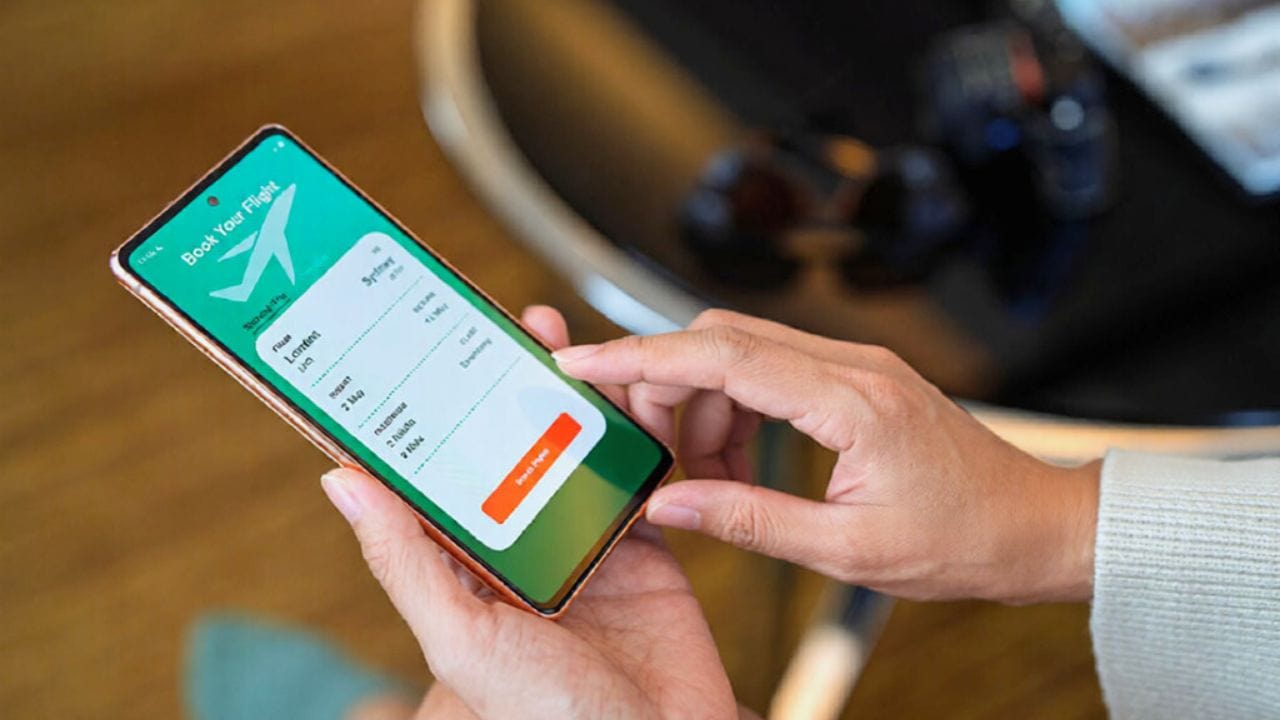
Use a deal-tracking newsletter or app that scans multiple airlines and flags fare drops by route (not just coupon codes). Pair that with your own calendar alert to check prices every Wednesday morning for trips you know you’ll take (spring break, summer visit, fall wedding). You’re not chasing every blip—you’re giving yourself two guaranteed shots at a lower fare: when the tool pings you and on your weekly check.
Don’t get trapped by “hold and pray”
If a site offers a 24-hour free cancellation (or a low-cost hold), use it. Book the fare when it’s good, then message your travel buddy. If plans fall apart, cancel inside the window. It’s calmer than doom-scrolling for another hour while the fare climbs.
Fees and add-ons: how to keep the “deal” a deal
Dynamic pricing doesn’t stop at base fare. Seats, early boarding, and bag fees can erase your savings. Before you celebrate the fare, look at the total trip: seat selection (skip unless you truly need it), carry-on/checked bag costs, and payment fees. If you can travel with a personal item only and sit wherever the system puts you, the cheapest ticket stays cheap.
Let one good alert system do the heavy lifting. Track routes over ranges, not single dates; pounce when the alert fires; and use the 24-hour rule to hold your win while you confirm. For concerts, avoid the first-hour frenzy and sort by total price so you don’t get ambushed by fees.
*This article was developed with AI-powered tools and has been carefully reviewed by our editors.
Leave a Reply