
Everyone loves the idea that a holiday gift could become a high-value collectible. A recent piece asked ChatGPT which 2025 hot gifts might be worth thousands in a decade—fun question, and a useful frame for what actually appreciates.
Spoiler: most trendy gifts won’t skyrocket. The winners share a few boring traits: scarcity, provenance, condition, and cult demand.
What actually drives future value
- Limited production + real brand heat. Short runs from credible makers—think luxury houses or cult toy/tech brands—create scarcity, but only if demand lasts. (Example items floating around the coverage: limited-edition luxury decor pieces like a Louis Vuitton snow globe.)
- Sealed/untouched condition. “New in box,” intact seals, and documented authenticity matter more than hype posts.
- Cultural relevance. Items tied to a moment (first run, collab, anniversary) keep collector interest long after the trend fades.
Categories with better odds (still not guarantees)
- True limited editions from luxury or heritage brands (numbered, authenticated, with certificates).
- Collector’s-edition tech or gaming kept sealed (launch-year handhelds, special-run consoles/games with verifiable provenance).
- LE designer toys/figures from established artists—tracked on reputable marketplaces with sales history.
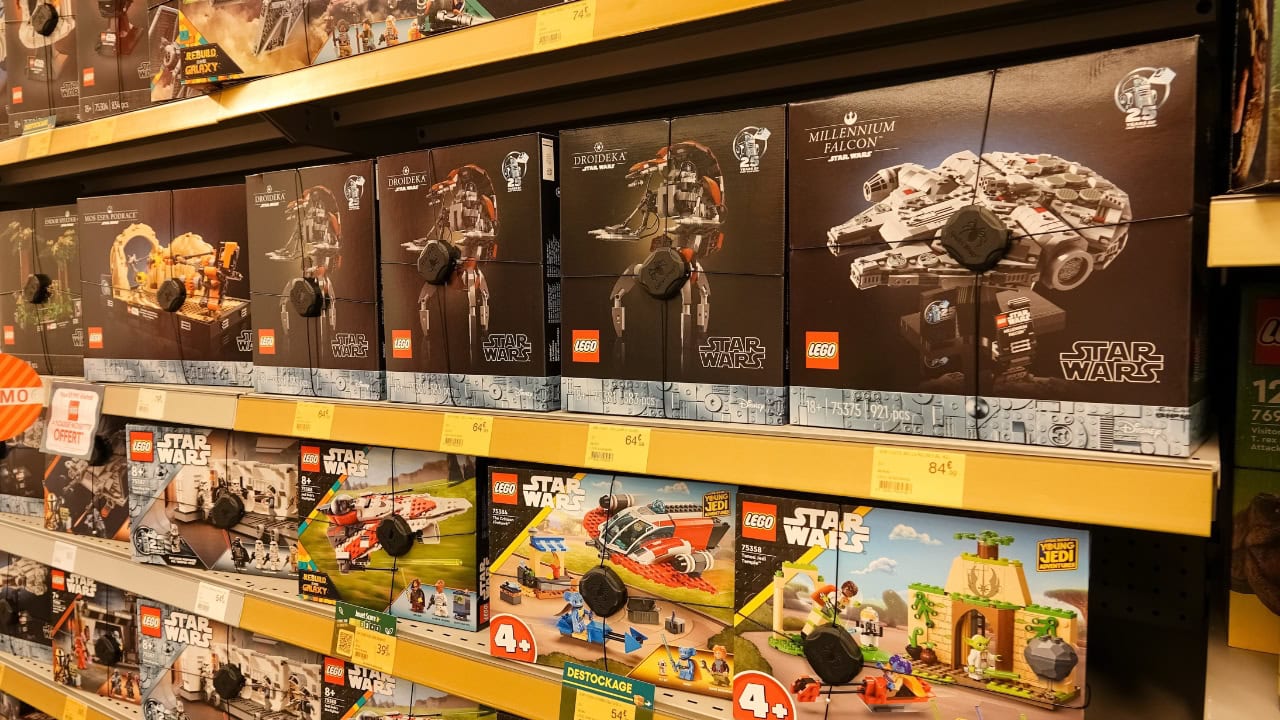
- Iconic LEGO sets (retired “UCS” or licensed sets), kept unopened—values vary, and fakes exist.
How to play it smart (if you’re gift-shopping with resale in mind)
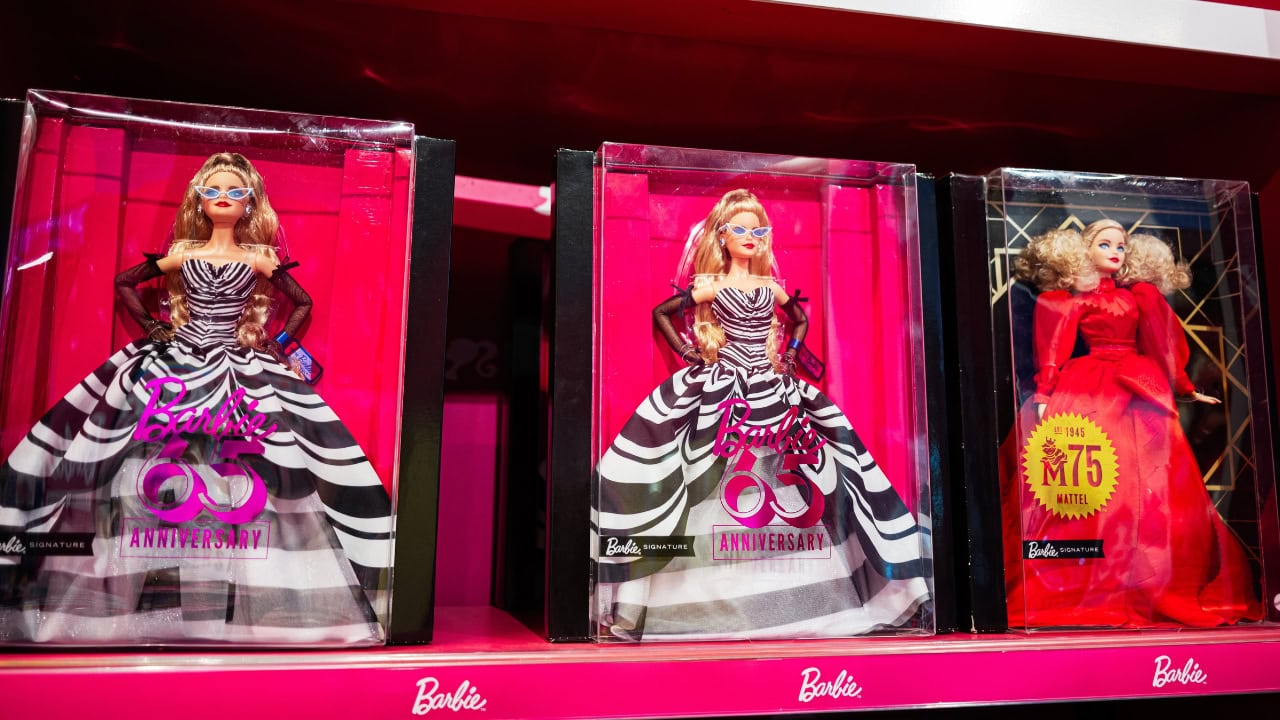
- Choose the version collectors chase, not the mass run. Numbered/COA > “inspired by.”
- Buy from official channels. Receipts and order confirmations become part of the item’s provenance.
- Store like a museum. Climate control, no sun, no opening. Damage can cut value in half.
- Track comps annually. Use sold listings and auction results—not asking prices—to decide whether to hold or sell.
Red flags (walk away)
- Open-box “limited” items. The value is in the seal.
- Unverifiable collabs. If authenticity can’t be proved, assume future buyers won’t pay up.
- “Investment” claims without a market. If there’s no secondary sales history, you’re speculating, not investing.
Reality check: Even the article that posed the question frames it with caveats—nothing is guaranteed to appreciate. So buy what you’ll enjoy owning even if it never pops, and treat any upside like a bonus. That’s the Chic-n-Savvy way: love it first, list it later.
*This article was developed with AI-powered tools and has been carefully reviewed by our editors.
Leave a Reply