
9 smart ways to get your kids to clean up
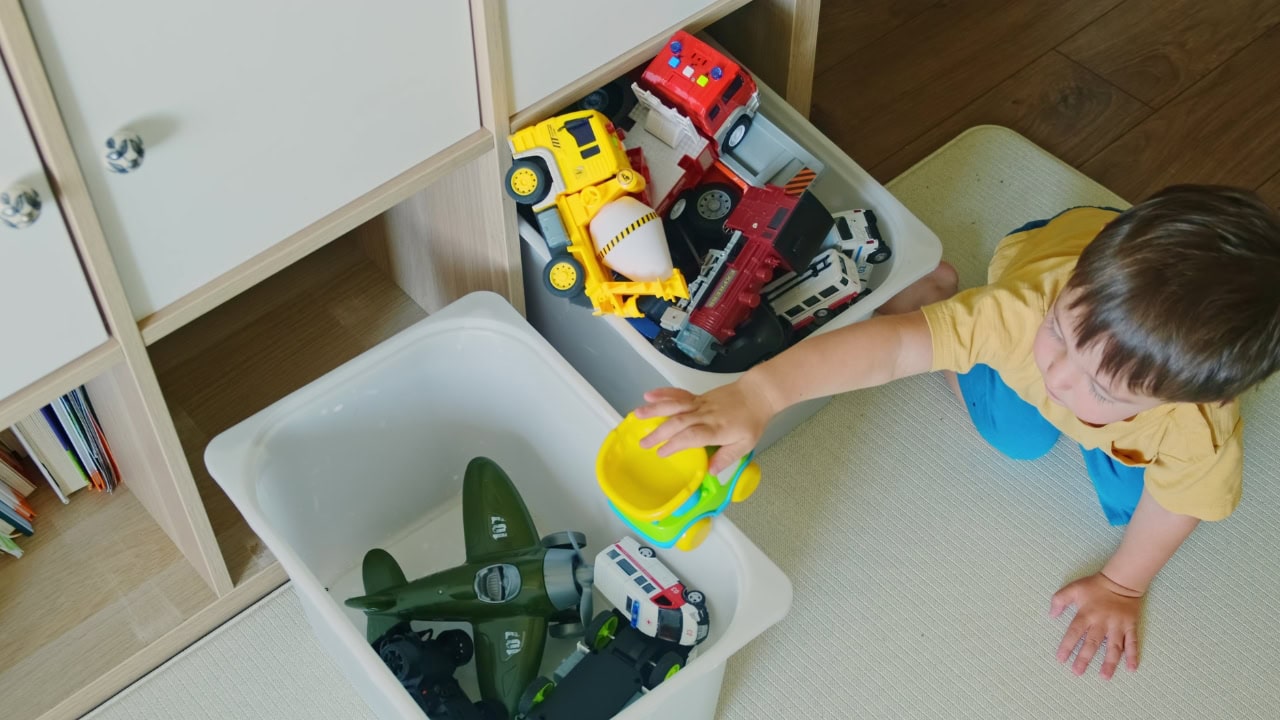
Getting kids to clean up can feel like you’re talking to a brick wall some days. But with a few strategy shifts, it doesn’t have to be a constant fight. The key is making it clear, doable, and age-appropriate—without turning into a drill sergeant. These tips work in real life, even with stubborn toddlers and distracted older kids. And once they know what’s expected and see that you mean it, it starts becoming second nature (most of the time).
Be Clear About What “Clean” Means
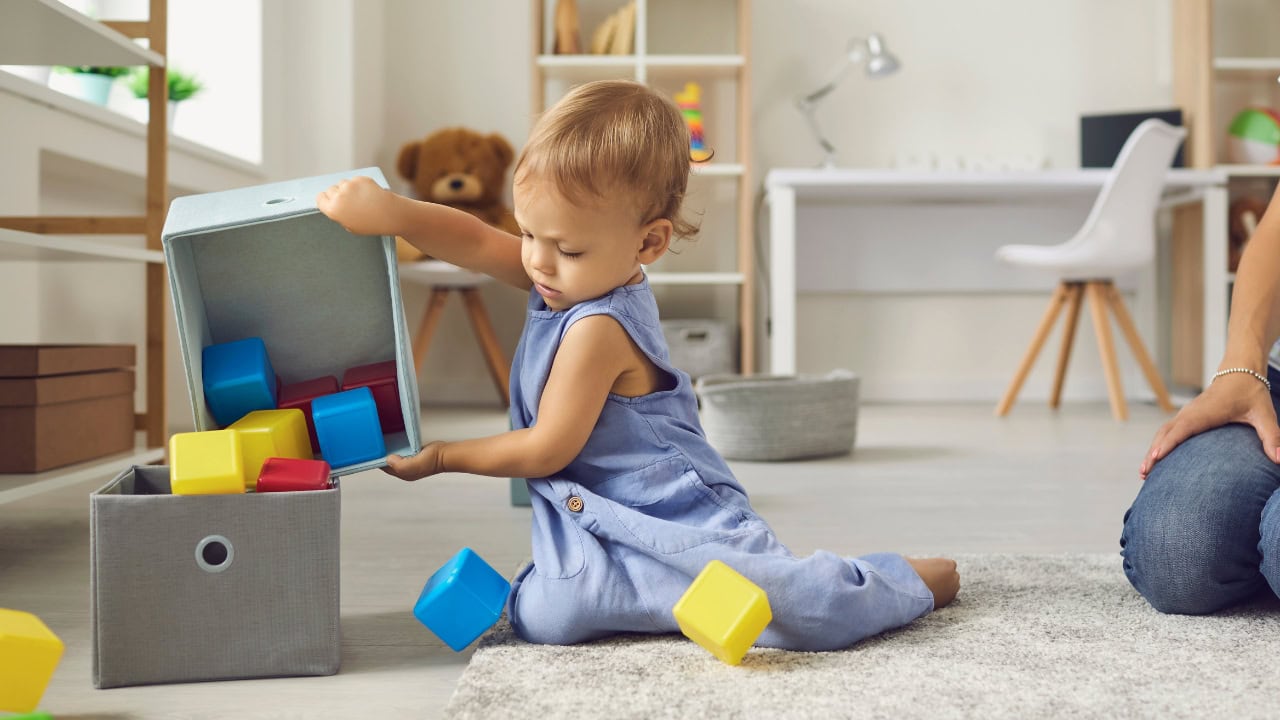
Telling your kid to “clean up” doesn’t always land. What you picture might be totally different from what they think that means. Spell it out—put the blocks in the bin, put the shoes by the door, throw the trash away. Be specific every time until they know the drill.
Even older kids benefit from clear direction. If “clean your room” feels overwhelming, break it down into smaller pieces. A checklist or quick walkthrough with you at the start can keep it from becoming a stall tactic or meltdown trigger.
Start a Two-Minute Tidy Before Transitions

Trying to clean up after the day’s already gone off the rails is a losing game. Start a habit of doing a quick two-minute tidy before meals, leaving the house, or starting a new activity. When it’s part of the routine, it doesn’t feel like a punishment.
Set a timer and make it a short, no-drama thing. Even little ones can help put a few things away. The more often you do it, the less mess piles up—and the less resistance you’ll get over time.
Make It a Shared Task, Not a Solo Job
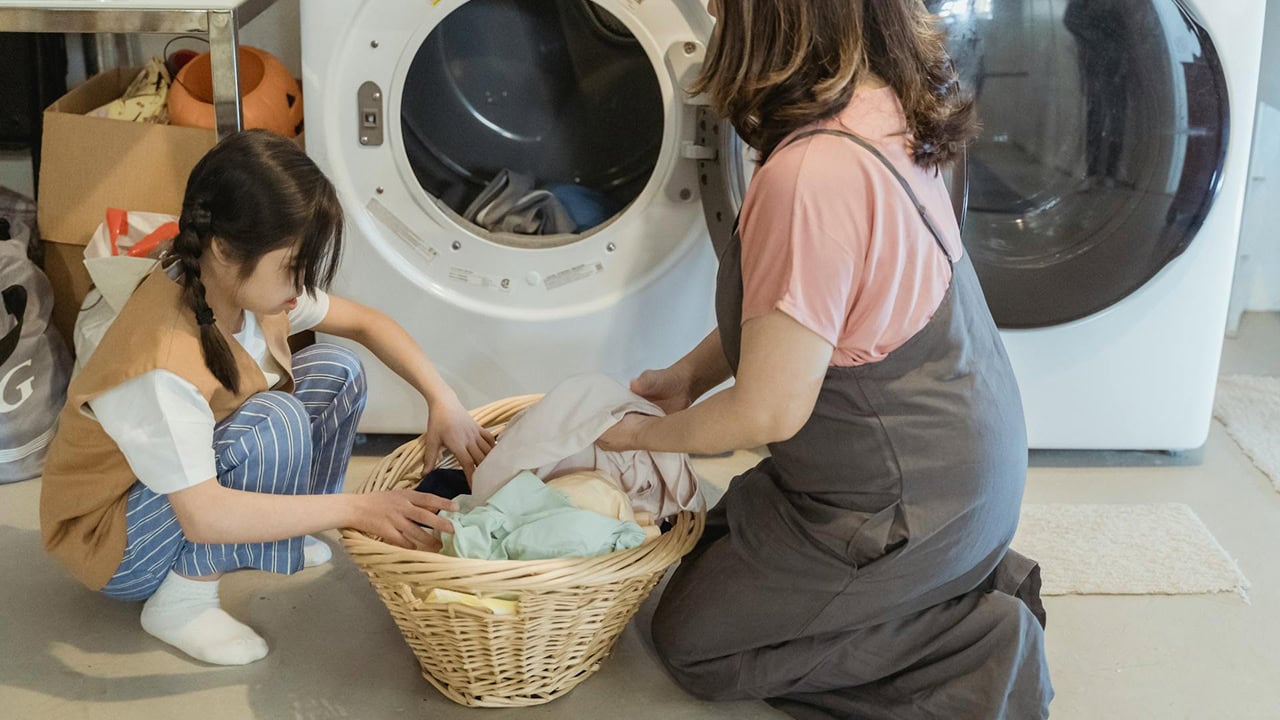
Telling your kid to clean up while you sit on the couch usually doesn’t end well. When you’re in it with them—at least to start—they’re more likely to jump in. It sets the tone and shows them you’re not asking anything you wouldn’t do yourself.
You don’t have to do it all. You can delegate pieces and step back once they’ve started. But when they see you grabbing a basket or wiping a surface, it signals that cleanup time is real and not up for debate.
Give Everything a Home (That They Can Reach)
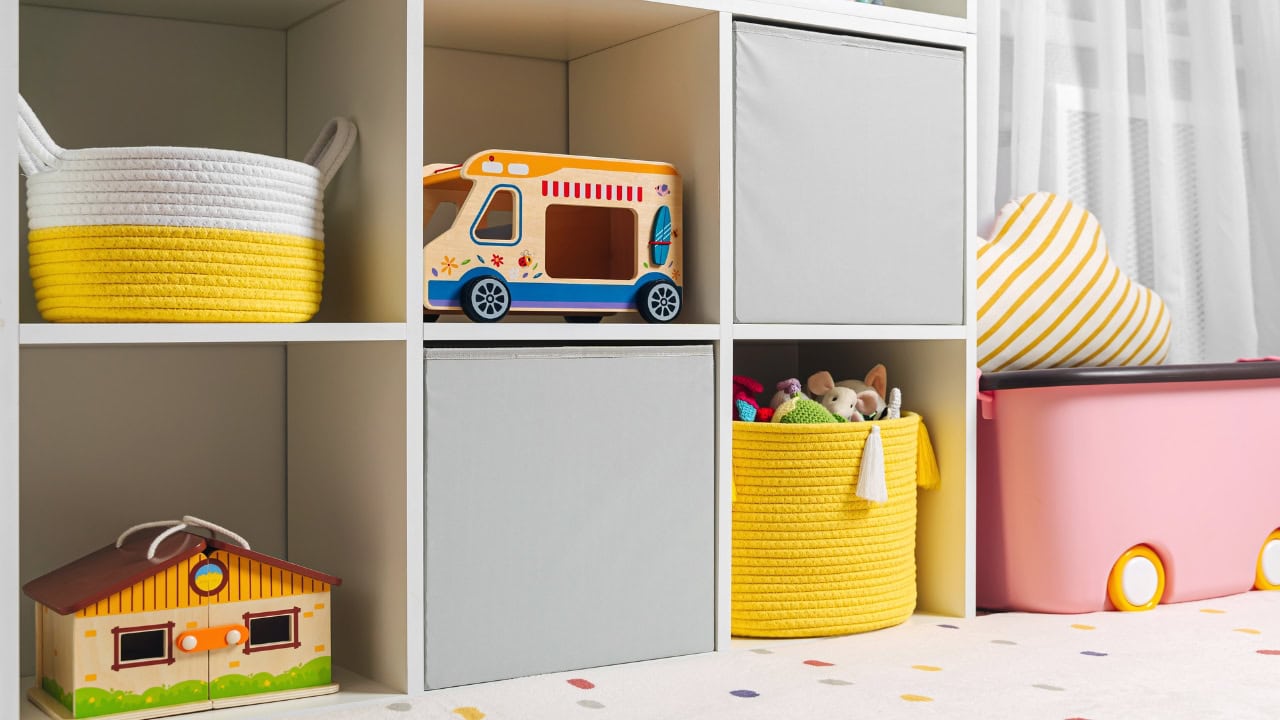
If toys and supplies don’t have a place, cleanup feels chaotic. Kids do better when there’s a clear spot for everything—and they can actually access it without climbing a shelf or opening a complicated latch.
Use open bins, labeled drawers, or low baskets for the things they use most. When they know exactly where things go, it’s faster and easier for them to clean without needing help every time.
Turn It Into a Quick Game
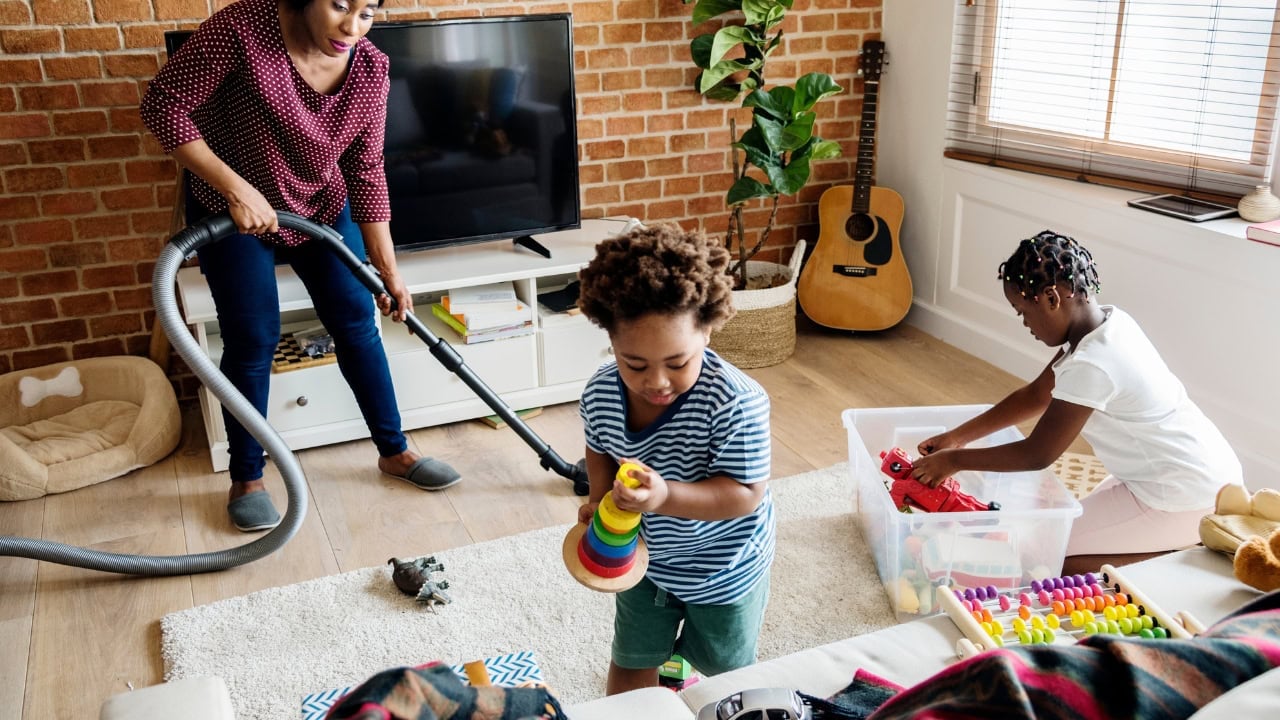
You don’t have to throw a party every time it’s time to clean, but a little friendly challenge can speed things up. Set a timer and race to beat the clock, or assign each kid a color to find and put away.
It keeps them moving without as much whining or stalling. It also distracts from the idea that cleaning is boring or annoying—at least long enough to get it done without dragging it out.
Keep Your Expectations Age-Appropriate

Toddlers can help clean up, but they’re not going to sort every toy perfectly or fold blankets like you would. That doesn’t mean they can’t contribute—it means your expectations need to match their ability.
Give them jobs that make sense for their age, like putting blocks in a bin or piling books on a shelf. Praise the effort more than the result. If you micromanage every step, they’ll stop wanting to help at all.
Use a Visual Timer or Cleanup Song

Kids don’t always have a strong sense of time, so saying “you have five minutes” means nothing. A visual timer or short song gives them a clear start and end point, which makes the whole thing feel more doable.
There are tons of cleanup songs on YouTube or Spotify, or you can use a kitchen timer they can watch tick down. Knowing when it’s over helps them stay focused, and it keeps you from having to nag the whole time.
Don’t Undo Their Work in Front of Them

It’s tempting to fix the mess after your kid’s version of cleaning, especially if things aren’t where you want them. But if you redo it in front of them, it sends the message that their effort didn’t count.
Instead, either leave it alone or tweak things later when they’re not watching. If something absolutely needs correcting, treat it as a teachable moment and walk through it together. They’ll learn faster if they don’t feel like they’re failing.
Keep the Consequences Real and Consistent

If cleaning up is part of the routine and they refuse, there needs to be a natural consequence. Maybe the toy goes away for a while, or they lose screen time until the job is done. Whatever it is, follow through consistently.
Don’t threaten consequences you won’t actually enforce. Kids learn fast when the outcome is predictable. The more consistent you are, the less they’ll test the limits—and the quicker they’ll get used to pitching in.
*This article was developed with AI-powered tools and has been carefully reviewed by our editors.
Leave a Reply