
Not everything with a brand name is better. In fact, a lot of what you pay for when you buy name-brand products is packaging, marketing, and placement — not quality. But that doesn’t mean every generic version is a smart buy either. Some store-brand swaps perform exactly the same, while others fall short in ways that make them cost more in the long run.
Here’s where it actually pays to save — and when to spend the extra few dollars.
Pantry staples like flour, sugar, and salt
Generic baking staples are almost always the same as the name brands. Flour, sugar, salt, and cornstarch are standardized products with identical ingredients and quality controls. You’re paying more for the logo on the bag, not what’s inside it. Whether you’re baking bread or thickening gravy, the store brand performs exactly the same for a fraction of the cost.
Over-the-counter medications
FDA regulations require generic medications to have the same active ingredients, dosage, and effectiveness as name brands. That means the store-brand pain reliever, allergy pill, or antacid works the same as the one with the flashy label. The only difference might be the color of the pill or the filler ingredients — not the results.
Cleaning products and bleach
Bleach is bleach, and most multipurpose cleaners use similar chemical formulas. Unless you’re buying a specialty cleaner, the store-brand version will disinfect and clean just as well as the name brand. Many are even made by the same manufacturers.
Baking soda and vinegar
These two are the foundation of natural cleaning — and there’s zero reason to buy a premium label. The store brand works exactly the same for cleaning drains, removing odors, and softening laundry. Save your money for products that actually differ in formula or effectiveness.
Spices like salt, pepper, and garlic powder
High-end spices can be worth it for flavor, but for the basics you use every day — like salt, black pepper, and garlic powder — the store brand does the job. They’re usually sourced from the same suppliers and simply packaged differently. The one thing to check is the expiration date, since ground spices lose potency over time.
Canned vegetables and beans
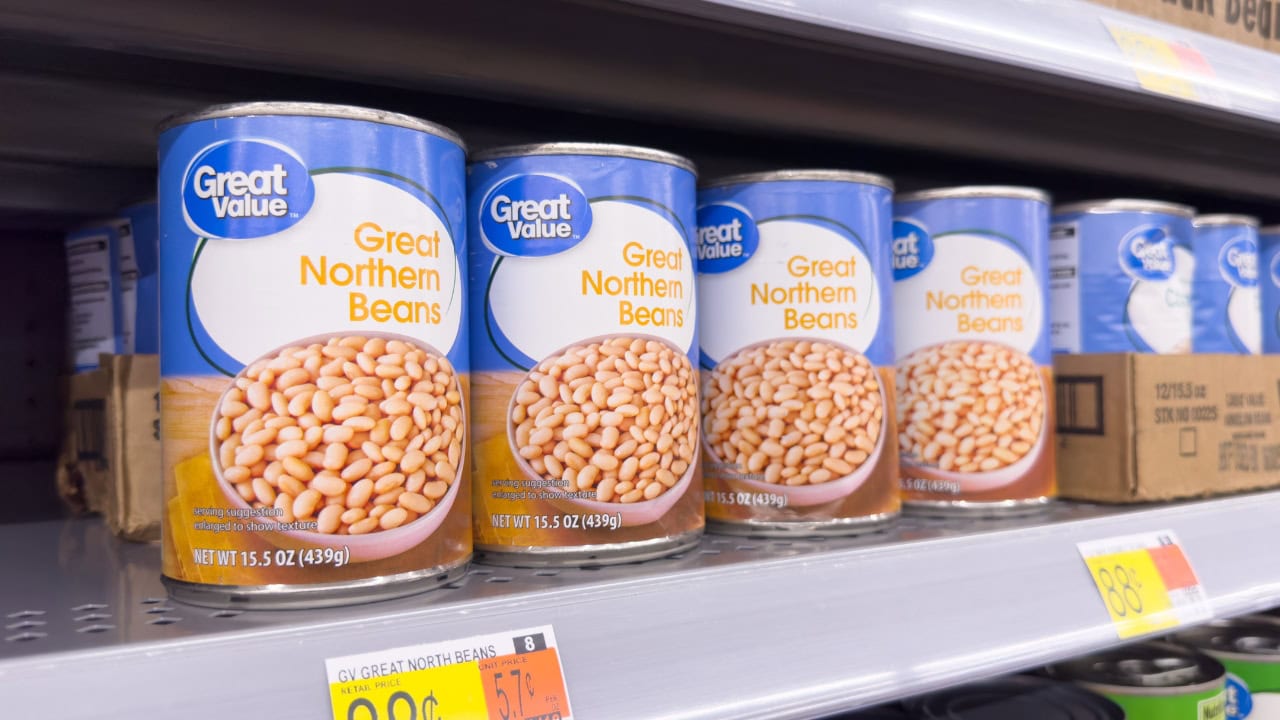
Unless you’re buying for texture or presentation, canned goods are one of the easiest places to save. Store-brand green beans, corn, tomatoes, and beans come from the same factories that supply the name brands. Check the label — if the ingredients and sodium content match, you’re getting the same product for less.
Aluminum foil, plastic wrap, and sandwich bags
You don’t need to spend extra for these household basics. Store-brand versions hold up well for everyday use. The only exception is heavy-duty foil or freezer bags for long-term storage — but for wrapping leftovers or packing lunches, the cheaper options work perfectly.
Milk, eggs, and butter
Grocery store brands of these staples are often sourced locally or regionally, and they meet the same quality standards as national brands. The difference is the label and sometimes the distribution chain. You can often save 10–30% just by grabbing the store carton instead of the branded one sitting right beside it.
Dry pasta and rice
These pantry staples are regulated for consistency and quality, meaning the store brand will cook and taste the same as the fancy box. The key is cooking time — follow the directions on the package, and you’ll end up with the same result.
Skip generic batteries

Off-brand batteries often don’t last as long and can leak more easily, damaging electronics. If you use batteries for remotes, toys, or flashlights, stick with a trusted brand like Duracell or Energizer. They last longer and perform more reliably, which ends up being cheaper over time.
Don’t skimp on toilet paper
This is one of those items where quality matters. Cheaper brands tend to be thinner, less absorbent, and tear easily. You end up using more, which cancels out the savings. A mid-range or name-brand option is worth it here — especially in households with kids or guests.
Don’t cut corners on pet food
Generic pet food can vary a lot in quality, and cheaper formulas often contain fillers that don’t provide the nutrients your pet needs. Stick to reputable brands that list real meat as the first ingredient and have transparent sourcing. Spending a bit more upfront can save you money on vet bills later.
The bottom line: some generics are identical to their name-brand counterparts — others aren’t worth the risk. When it comes to regulated products like medicine and pantry staples, go for the store brand every time. But for the few things that affect comfort, performance, or health, the name brand is worth every penny.
*This article was developed with AI-powered tools and has been carefully reviewed by our editors.
Leave a Reply