
9 habits of people who never overspend

Some people always seem to have their spending under control. They’re not skipping out on fun or living without comfort—they’ve just built habits that keep their money in check. Overspending usually creeps in when there’s no plan or when decisions are made on impulse. The difference with disciplined spenders is that they treat money with intention. These aren’t complicated tricks or strict rules—it’s practical habits that anyone can build. Here are the patterns that keep overspending from draining their accounts.
They Stick to a Budget That Fits Their Life

People who don’t overspend know where their money is going before it leaves their account. They set a budget that accounts for bills, savings, and spending money instead of winging it. The key is making the budget realistic so it’s something they can actually follow.
By knowing their limits ahead of time, they avoid impulse buys that throw everything off. They’re not guessing at the checkout—they already know what’s safe to spend.
They Track Every Dollar

Overspending often happens when you lose sight of where money is going. People who avoid it keep track, whether it’s through an app, a spreadsheet, or jotting it down. They don’t have to memorize every cent because the system does it for them.
That awareness makes spending more intentional. When you see the numbers clearly, you’re far less likely to swipe your card without thinking about the impact.
They Wait Before Making Purchases

One common habit is waiting before buying anything that isn’t a true necessity. Whether it’s 24 hours or a full week, this pause helps cut out impulse spending.
Often, the desire to buy fades after some time, and they realize they didn’t need the item at all. If they still want it later, they can make the purchase without guilt because it’s been thought through.
They Use Cash for Certain Expenses

Cash makes spending more tangible. When you physically hand over bills, it’s easier to feel how much you’re using compared to swiping a card. People who avoid overspending often reserve cash for groceries, eating out, or entertainment.
Once the cash is gone, that’s it for the week. This habit sets clear boundaries and prevents creeping expenses from building up.
They Avoid Lifestyle Creep

When income rises, overspenders tend to inflate their lifestyle right along with it. Disciplined spenders resist that urge. Instead of upgrading everything, they stick to habits that already work and direct extra money toward savings or goals.
This keeps them from ending up in the same financial position despite making more. They maintain perspective on what’s enough and don’t let comparison drive their spending.
They Plan for Fun Money

Saying “never spend” is unrealistic. People who don’t overspend set aside money for things they enjoy so they don’t feel deprived. By including fun in their budget, they avoid blowing up their finances later on.
This habit keeps spending intentional while still leaving room for flexibility. They enjoy what they buy without guilt because it’s already been accounted for.
They Pay Attention to Subscriptions

Subscriptions are one of the sneakiest ways overspending happens. People who manage money well review them regularly. They cancel what they’re not using and only keep what adds real value.
By keeping tabs on recurring charges, they prevent small monthly fees from draining hundreds over the year. It’s a simple but powerful way to stay in control.
They Shop With a List
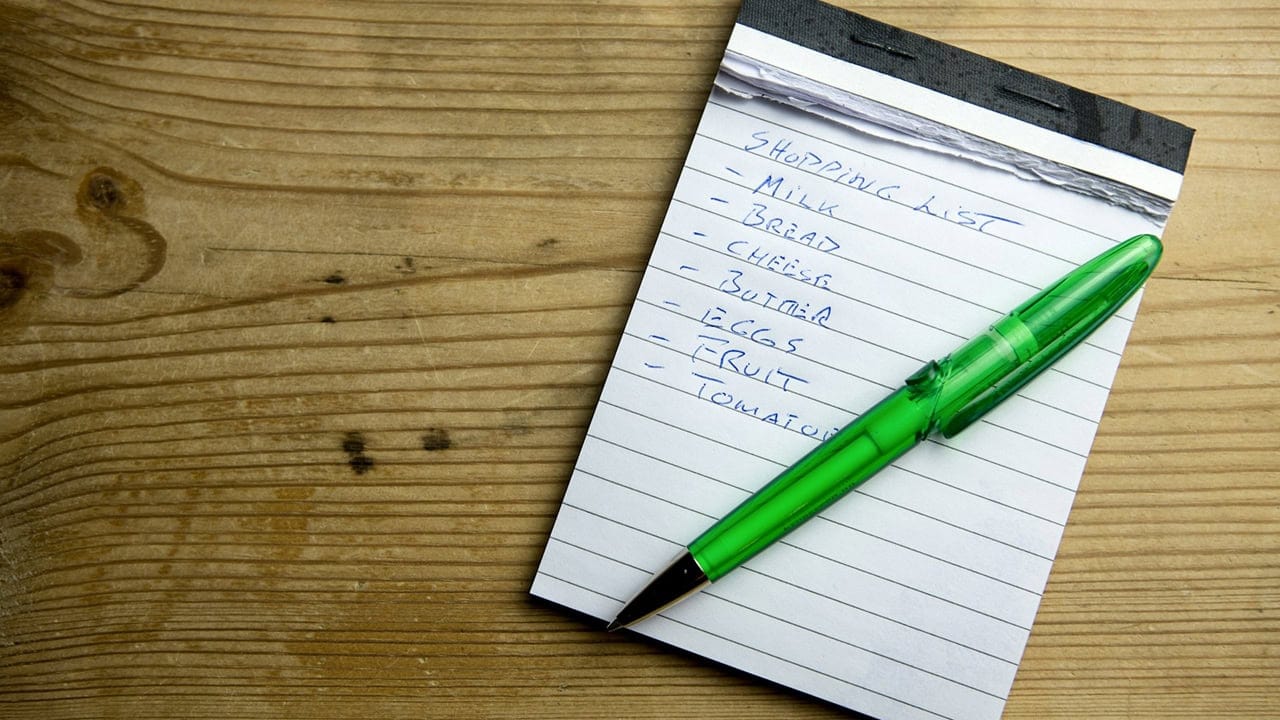
Impulse buys thrive when you walk into a store without a plan. People who avoid overspending rely on shopping lists and stick to them. Whether it’s groceries or household items, they know exactly what they need.
Having a list reduces distractions and cuts down on wandering through aisles looking for ideas. This keeps both the cart and the budget under control.
They Value Quality Over Quantity

Overspenders often buy the cheapest option and then replace it quickly. Those who manage their spending well think long-term. They’d rather buy one durable item than replace a cheaper one several times.
This doesn’t mean buying the most expensive option—it means choosing items that last. Over time, this approach saves money and reduces waste.
They Review Their Finances Regularly

Staying on top of money means checking in often. People who don’t overspend review their accounts weekly or monthly to see what’s working and what needs adjusting.
This regular check-in prevents surprises and helps them spot problems early. It also reinforces good habits by showing the progress they’ve made toward their goals.
*This article was developed with AI-powered tools and has been carefully reviewed by our editors.
Leave a Reply