
A lot of daily routines feel normal because you’ve always done them that way—but that doesn’t mean they’re efficient. Sometimes you’re creating more work for yourself without realizing it. The smallest tweaks can save you time, energy, and even money. Most of these fixes don’t take fancy tools or extra effort—just a smarter way of doing what you already do.
Here are the everyday things most people are still doing the hard way and how to make them easier starting today.
Folding laundry one piece at a time
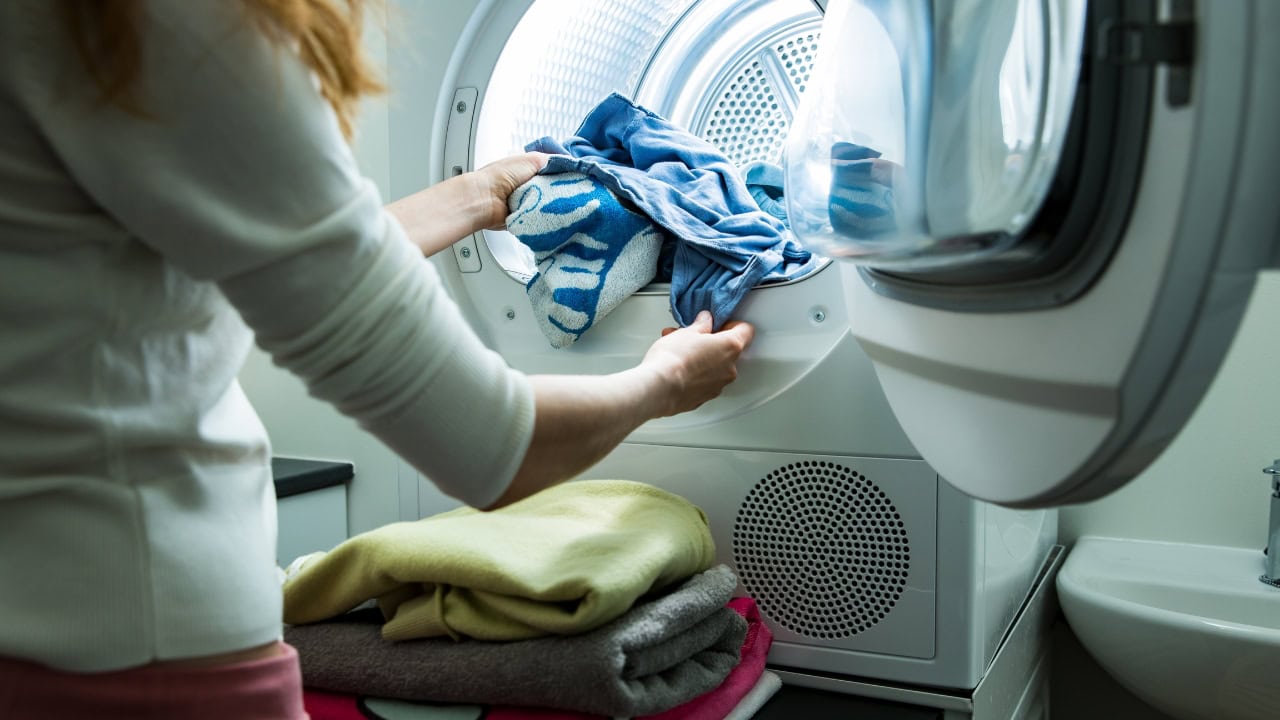
Folding as you pull clothes out of the dryer sounds logical, but it’s actually slower. You keep stopping and starting, which adds time and makes it easier to miss items.
Dumping everything on a flat surface and sorting first—towels with towels, shirts with shirts—lets you move through piles faster. You’ll fold more efficiently and avoid that half-finished basket that sits for days.
Cleaning with too many products

You don’t need a different cleaner for every surface. Most of the time, an all-purpose solution or even vinegar and water can handle multiple areas just as well.
Cutting down to a few go-to products makes cleaning faster and keeps cabinets from overflowing with half-used bottles. It also saves money and makes it easier to keep a consistent routine.
Cooking without prepping first

Starting dinner before chopping, measuring, or preheating slows everything down. You end up juggling too many steps and dirtying more dishes.
Taking 10 minutes to prep ingredients before you cook keeps things flowing smoothly. You’ll spend less time waiting on pans to heat up or realizing you’re out of something mid-recipe.
Paying bills one by one

Manually logging in to pay every bill each month wastes time and increases the chance of forgetting one. Late fees add up quickly that way.
Setting up auto-pay or batching all payments on one set day makes it easier to manage. You still stay in control but spend less mental energy keeping track of due dates.
Grocery shopping without a plan

Wandering through the store without a list almost guarantees you’ll forget essentials and overspend. It also makes dinner decisions harder during the week.
Planning meals before you go helps you buy what you’ll actually use. It saves money, reduces food waste, and cuts down on midweek grocery runs that eat up time and gas.
Handwashing dishes immediately after meals

You might think washing dishes right away keeps the kitchen clean, but constant scrubbing wastes water and time. Letting dishes soak for a few minutes loosens everything naturally.
When you come back, a quick rinse is usually all it takes. You’ll use less effort and keep your sink area tidier with less back-and-forth.
Sorting mail every day

Dealing with mail as it arrives feels organized, but it’s repetitive and easy to drag out. Sorting in small bursts means paper clutter never really disappears.
Creating one spot for all mail and handling it once or twice a week is faster and less stressful. You can sort, shred, and file everything at once instead of piecemeal.
Doing every task manually

If you’re still writing reminders on paper, tracking spending by hand, or manually updating schedules, you’re adding extra work. Technology can handle repetitive tasks so you can focus on what matters.
Using tools like budgeting apps, shared calendars, or household task lists helps you stay organized without constant effort. It’s not about doing more—it’s about doing things smarter.
*This article was developed with AI-powered tools and has been carefully reviewed by our editors.
Leave a Reply