

Not everything that helps your mental space has to cost money or take a lot of effort. Over time, I started noticing that my peace wasn’t coming from big changes, but from small, intentional habits I repeated every day. These are simple things that help me stay grounded, avoid unnecessary stress, and feel more in control of my time and energy. None of them require anything extra—just consistency. These are the daily habits that help me protect my peace without spending a single dollar.
I Step Outside—Even for a Minute

Fresh air resets your head. I try to step outside at least once a day, even if I’m still in pajamas or only have 60 seconds before someone needs me.
The sun, the breeze, the shift in environment—it’s enough to break a bad mood or stop a stress spiral from taking over. You don’t need a long walk. Just open the door and let your brain catch up with your body.
I Tidy One Area Without Overthinking It
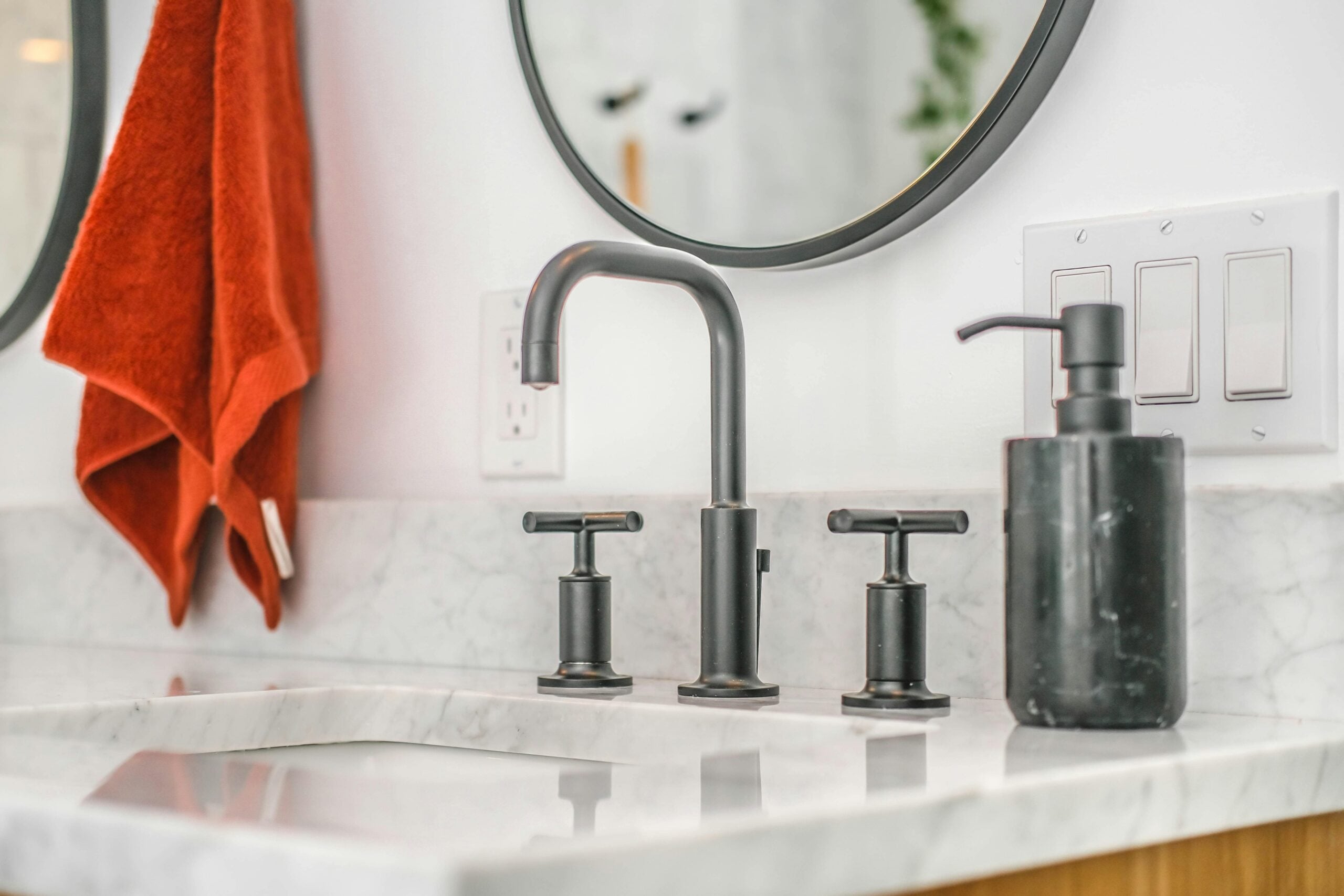
I used to feel like the whole house needed to be clean before I could relax. That pressure was constant and never-ending. Now, I pick one small area each day and straighten it without making it a big deal.
Sometimes it’s the bathroom counter, sometimes it’s the entryway. It only takes a few minutes, but it gives me a small sense of control and calm that I carry into the rest of the day.
I Don’t Check My Phone First Thing

Reaching for your phone the second you wake up can derail your whole morning. Before you know it, you’re pulled into other people’s problems, notifications, or random posts you didn’t need to see before coffee.
Instead, I wait. I give myself time to wake up, get dressed, and be present in my own space before letting outside noise in. It helps me start the day on my terms, not in response mode.
I Say No Without Guilt

Peace gets eaten up fast when you say yes to things you don’t actually want to do. Whether it’s an event, a call, or another commitment, I’ve learned that saying no is an act of protection.
You don’t need a long explanation. A kind, honest “not today” goes a long way. The more you practice, the less guilt shows up, and the more room you have for the things that actually restore you.
I Don’t Let Clutter Linger in My Line of Sight
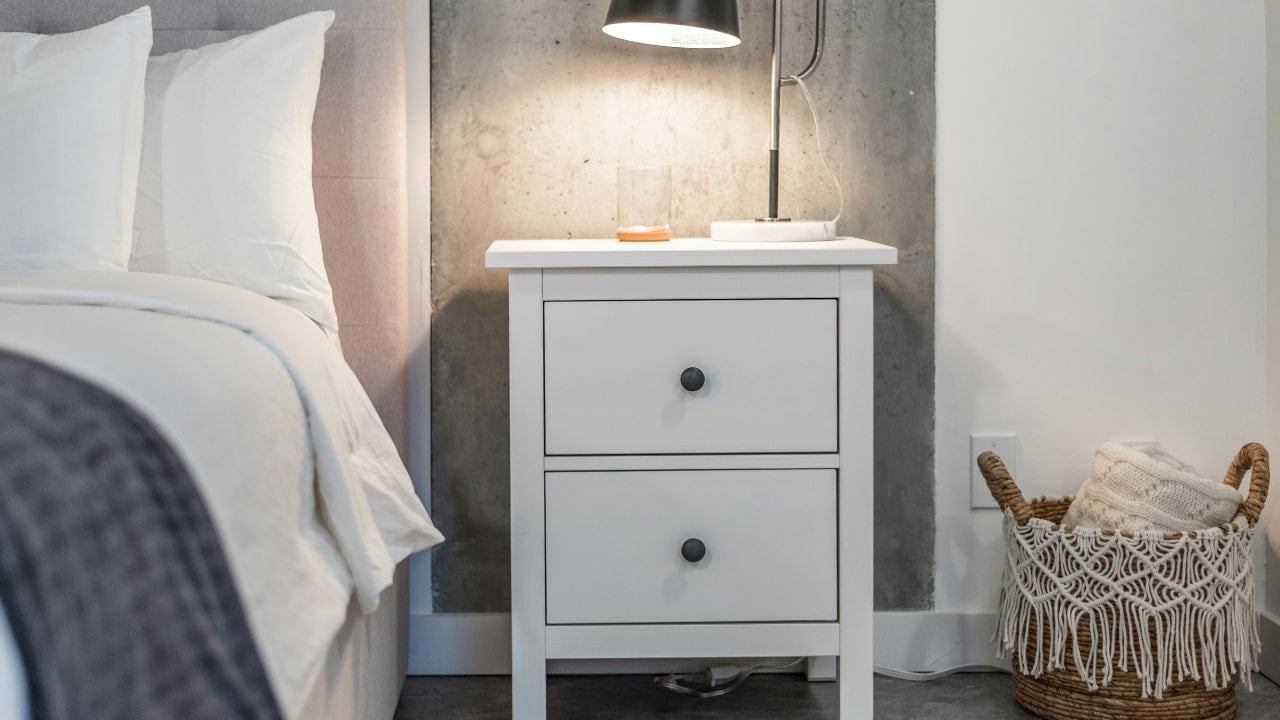
Visual clutter drains mental energy. When my kitchen counter or nightstand starts piling up, I feel it—whether I realize it or not. That background mess becomes background noise.
So once a day, I clear whatever’s built up in the spot I see the most. I don’t deep clean it—I just remove the stuff that doesn’t belong there. It’s a quick win that makes everything feel lighter.
I Keep One Room Off-Limits to Chaos
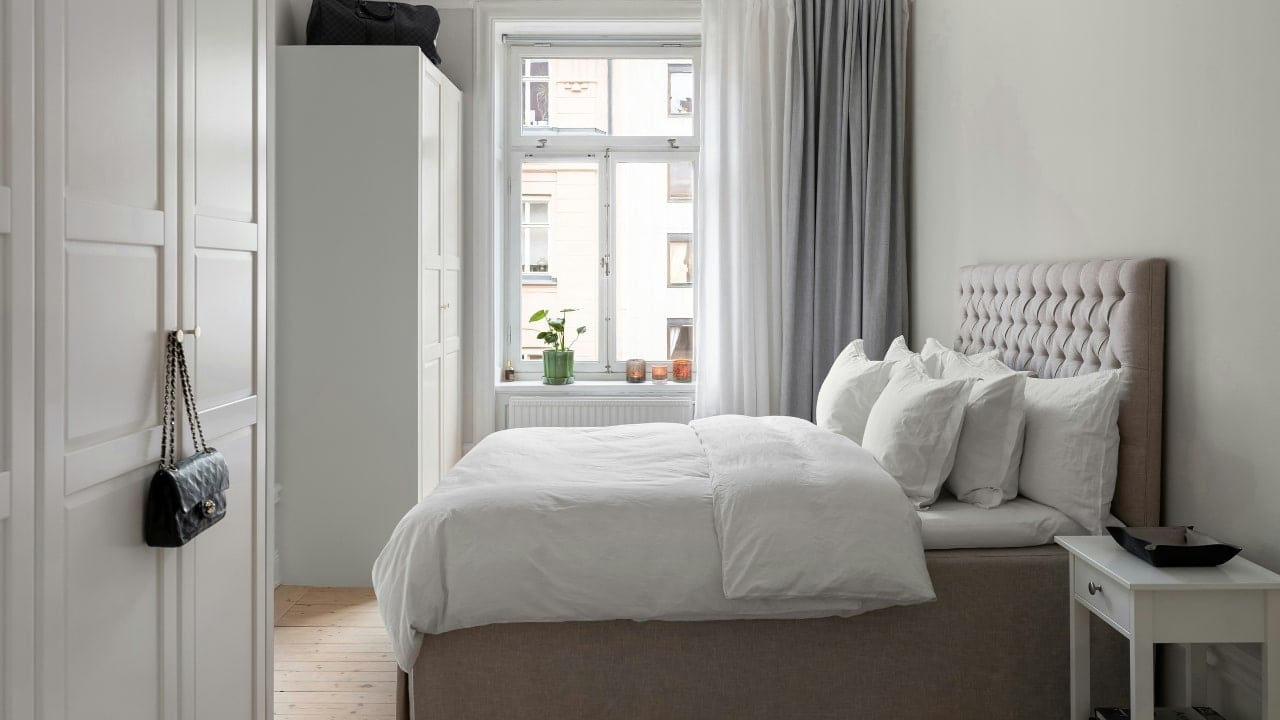
Designating one space as a no-mess zone helps protect your peace in a big way. For me, it’s the bedroom. Toys, laundry piles, half-finished projects—they don’t get to live there.
Even if the rest of the house looks lived-in (and it often does), I know I have one spot that feels calm. That mental boundary makes a huge difference when the day feels overwhelming.
I Don’t Chase a Perfect Routine

Some days I follow my usual rhythm. Other days, it’s a mess. Either way, I stopped measuring success by how well I stuck to a routine and started focusing on whether I protected my peace in small ways.
Giving yourself that flexibility helps you stay grounded instead of discouraged. You’re not failing if things shift—you’re adjusting. That mindset alone can keep burnout from setting in.
I Do One Thing Slowly on Purpose

Most of the day moves fast. So I try to find one moment—pouring a drink, folding a towel, brushing my hair—and do it slowly, without rushing to the next thing.
It sounds small, but that single act of presence calms your nervous system more than you’d think. It helps pull you out of survival mode and reminds your brain that not everything is urgent.
*This article was developed with AI-powered tools and has been carefully reviewed by our editors.
Leave a Reply