
Some routines start out with good intentions—saving time, staying organized, or keeping things running smoothly—but over time, they can turn into habits that quietly drain both your wallet and your day.
The problem isn’t effort—it’s efficiency. You might be doing things the “right” way because that’s how you’ve always done them, without realizing they’re no longer worth it.
Here are the everyday routines that feel productive but end up costing more than they save.
Overscheduling your week

Filling your calendar with appointments, errands, and plans can make you feel accomplished, but it often leads to burnout and wasted money on convenience spending. When you’re stretched too thin, takeout, coffee runs, and forgotten bills become routine.
Leaving open space in your schedule saves more than time—it cuts stress spending. You’ll make better decisions and actually finish what matters most.
Buying too many groceries at once

Stocking up sounds smart, but buying more than you can use usually leads to waste. Produce spoils, leftovers go uneaten, and pantry items expire faster than you think.
Shopping smaller and more frequently helps you stay realistic about what you actually eat. You’ll spend less overall and keep your fridge fresher.
Washing clothes too often
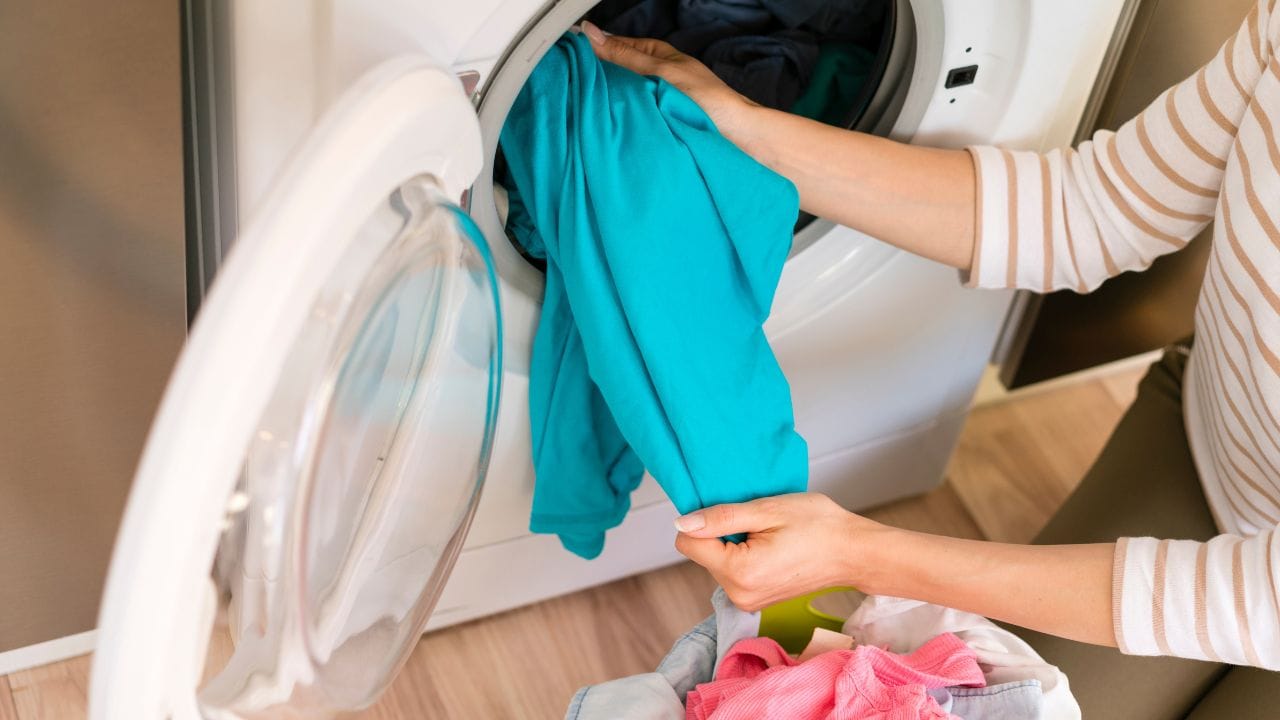
Many people wash clothes after a single wear, even when they aren’t dirty. That habit wears out fabrics faster and spikes your water and energy bills.
Unless it’s sweaty, stained, or obviously dirty, most clothes can handle multiple wears before washing. You’ll save time, money, and make your wardrobe last longer.
Overcomplicating your beauty routine

Layering ten skincare steps and rotating products daily feels productive, but it wastes both time and money. Most skin types only need a gentle cleanser, moisturizer, and SPF.
Simplifying your routine helps your skin stabilize—and your mornings move faster. Quality and consistency beat quantity every time.
Running small errands separately

Driving across town for one or two things adds up in gas, time, and wear on your car. When those trips happen several times a week, they quietly become expensive.
Batch errands into one trip and plan your route ahead. You’ll cut fuel costs, save an hour or two, and have fewer “quick stops” that eat up your day.
Ignoring maintenance until it’s urgent
Waiting until something breaks—like skipping oil changes or dental cleanings—feels like saving money in the moment, but the repairs cost far more later.
Regular maintenance is cheaper than replacements or emergencies. A little time spent now keeps you from losing both time and money later on.
Chasing sales or coupons you don’t need

Clipping coupons and chasing deals can feel thrifty, but if you’re buying things you wouldn’t normally buy, you’re not actually saving. You’re spending for the sake of a discount.
Focus on buying what you truly use and skip the “extras” that end up sitting in drawers. The best savings come from not spending at all.
Meal prepping too far ahead

Cooking a week’s worth of meals sounds efficient, but food often loses freshness by day four. You end up tossing portions or ordering out when it no longer tastes good.
Prepping three to four days at a time strikes a better balance. You’ll waste less food, enjoy better flavor, and avoid the midweek burnout that leads to extra spending.
*This article was developed with AI-powered tools and has been carefully reviewed by our editors.
Leave a Reply