
8 grocery list changes that saved me $80 a month

Groceries can sneak up on your budget faster than almost anything else. A couple of impulse buys here, a few name-brand items there, and suddenly the bill is $20 higher than you expected. The good news is, small tweaks to your grocery list can make a big difference without making you feel like you’re cutting corners.
These are the changes that consistently saved me about $80 a month, and the best part is, they don’t take much effort once you get used to them.
Swapping name brands for store brands

One of the easiest ways to cut grocery costs is by reaching for store-brand versions instead of name brands. Most of the time, the quality is the same or so close you can’t tell the difference, but the price tag is noticeably smaller.
Swapping things like canned goods, pasta, and pantry basics saved me $10–$15 a trip without changing what my family eats. Once you make the switch on a few staples, you realize how quickly the savings add up.
Buying produce that’s in season
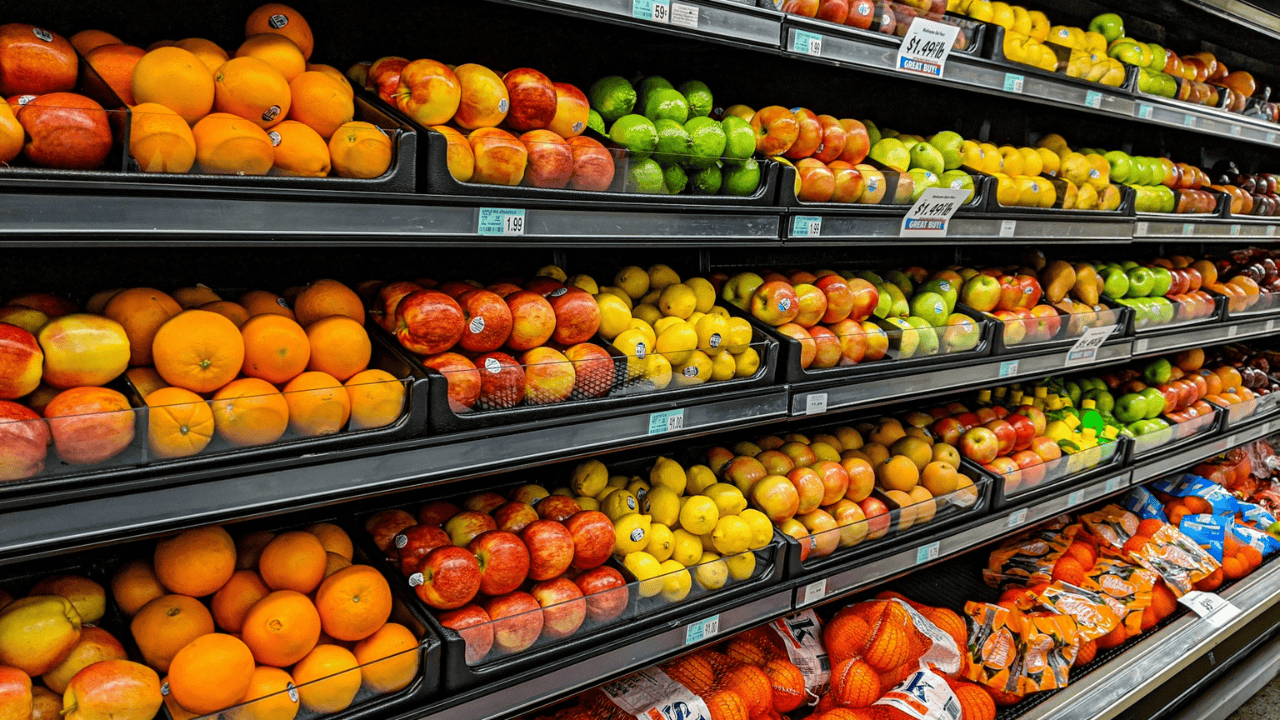
Fresh fruits and vegetables can get expensive when they’re out of season. Instead of sticking to the same produce all year, choosing what’s in season keeps your grocery bill lower.
You can still eat a wide variety without paying premium prices. In-season produce is often fresher and tastes better, which means you’re less likely to waste money on items that go bad before you use them.
Sticking to a weekly meal plan

Walking into the store without a plan almost guarantees overspending. Writing out a meal plan for the week keeps your grocery list focused and helps you avoid impulse buys.
It also cuts down on food waste, since everything you buy has a purpose. I noticed right away that planning out meals dropped my grocery total by $20–$30 a week because I wasn’t grabbing “extras” that didn’t get used.
Buying meat in bulk
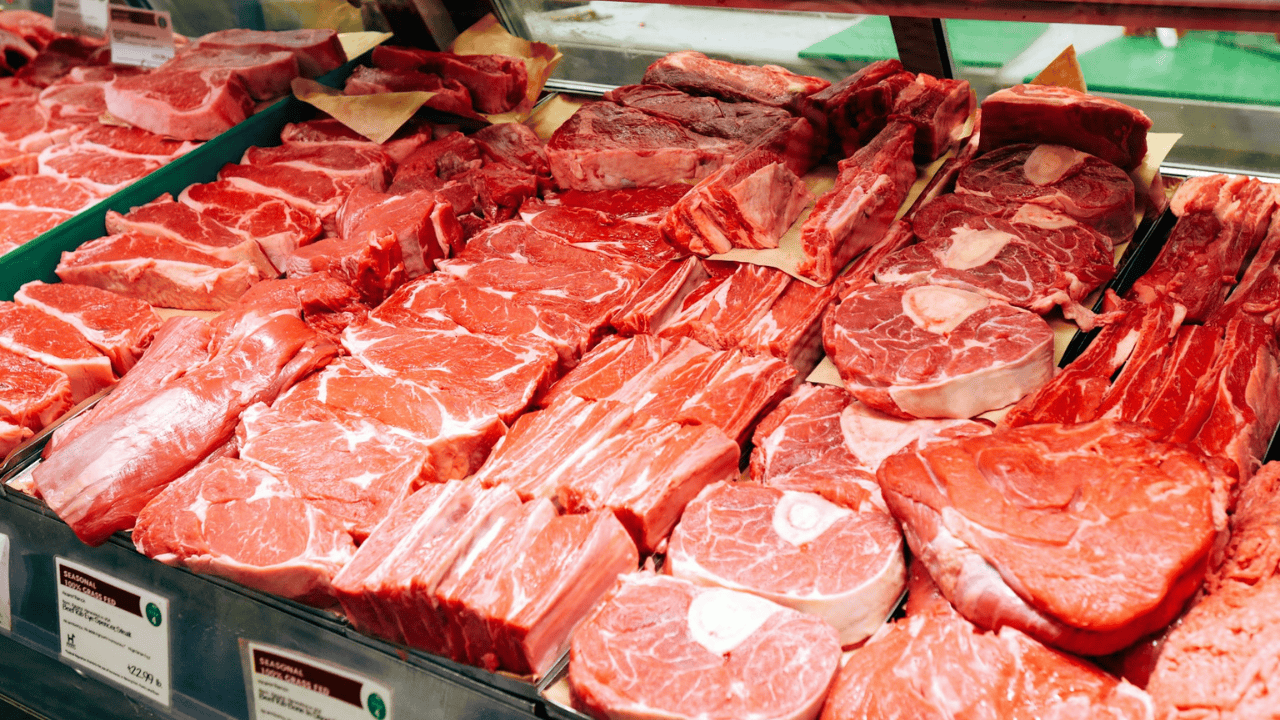
Meat is often the most expensive part of a grocery trip. By buying larger packs and portioning them out at home, you get a much lower price per pound.
Freezing portions for later also means fewer last-minute trips to the store, which helps you avoid unnecessary spending. Even switching to bulk chicken thighs or ground turkey saved me $15–$20 a month without feeling like a downgrade.
Choosing frozen over fresh for some items
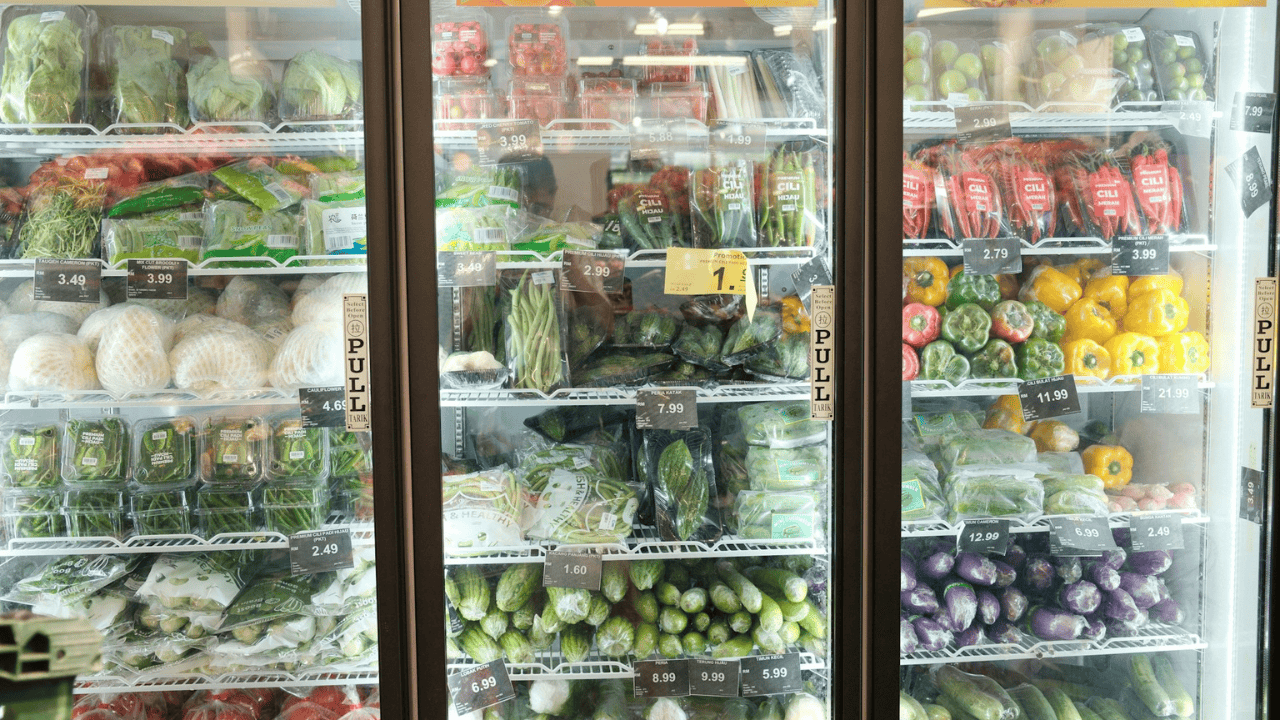
Frozen vegetables, fruits, and even fish are usually cheaper than fresh, and they last longer. That means less waste from things spoiling before you can use them.
Keeping frozen options on hand also makes it easier to cook at home instead of grabbing takeout. By swapping out half of the fresh produce on my list for frozen, I saved money and cut down on weekly food waste.
Cutting back on snack foods

Prepackaged snacks add up quickly and usually aren’t very filling. Cutting them from the list—or at least buying fewer—made a noticeable difference in my bill.
Replacing them with larger, more versatile items like popcorn kernels or baking ingredients meant I could still have snacks on hand at a fraction of the cost. This swap alone saved me about $10–$15 a week.
Limiting drinks and extras

Juices, sodas, and fancy coffee creamers are some of the fastest ways to blow a grocery budget. Cutting back on these extras immediately lowered my total.
By focusing on water, tea, or bulk coffee instead, I was able to save $5–$10 a trip. These are the kinds of items that don’t feel expensive when you toss them in the cart but add up to hundreds over the year.
Making a running pantry list
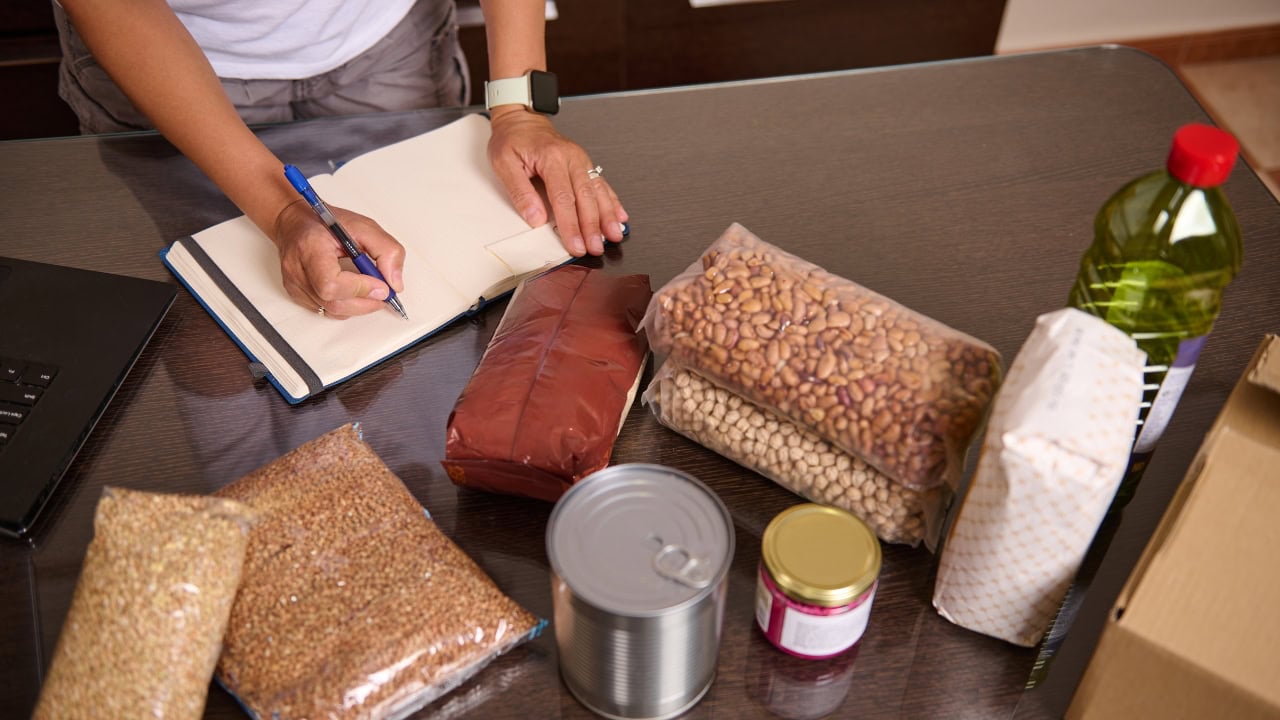
Instead of guessing what I needed each week, I started keeping a running pantry list at home. That way, I only bought replacements when I was actually running low.
This small change stopped me from doubling up on things I already had, which used to leave me with shelves full of extras I didn’t need. Keeping better track of pantry items trimmed another $10–$15 a month off my grocery spending.
*This article was developed with AI-powered tools and has been carefully reviewed by our editors.
Leave a Reply