
A lot of car problems don’t come from bad luck — they come from bad habits. The little things you overlook or put off can quietly snowball into costly repairs down the road.
Even if you take your car in for regular service, everyday habits like ignoring warning lights or skipping checks can undo all that maintenance. Taking care of your car doesn’t have to be complicated, but it does take awareness.
Here are the mistakes that make repair bills higher than they ever should be.
Ignoring warning lights

When the check engine or oil light comes on, it’s easy to assume it’s nothing serious. But those lights are your early warning system. Ignoring them can turn a small, cheap fix into a big, expensive problem.
Something as minor as a loose gas cap or low oil pressure can escalate if left alone. Even if the car seems to drive fine, it’s worth getting checked right away before the issue spreads to other systems.
Skipping oil changes

Oil is what keeps your engine alive. Skipping oil changes or stretching them too far leads to sludge buildup, friction, and long-term damage that can ruin an engine completely.
Staying on schedule — usually every 5,000 to 7,500 miles for most modern vehicles — keeps your engine clean and lubricated. Fresh oil costs far less than repairing worn bearings or replacing a seized engine.
Riding the brakes

Keeping your foot on the brake pedal, even lightly, wears out pads and rotors faster than you think. It also causes the system to overheat, which can warp rotors and reduce braking power.
Instead, coast when you can and apply firm, even pressure when you actually need to slow down. Not only will your brakes last longer, but you’ll save on gas since the car won’t constantly fight drag.
Ignoring strange noises

That squeal, rattle, or clunk isn’t going to go away on its own. Ignoring new sounds is one of the fastest ways to turn a small issue into a major repair. A loose belt or worn bearing is cheap to fix early, but costly once it fails.
If something sounds off, have it checked before it gets worse. A mechanic can usually pinpoint the problem quickly — and catching it early almost always saves money.
Driving on low tires
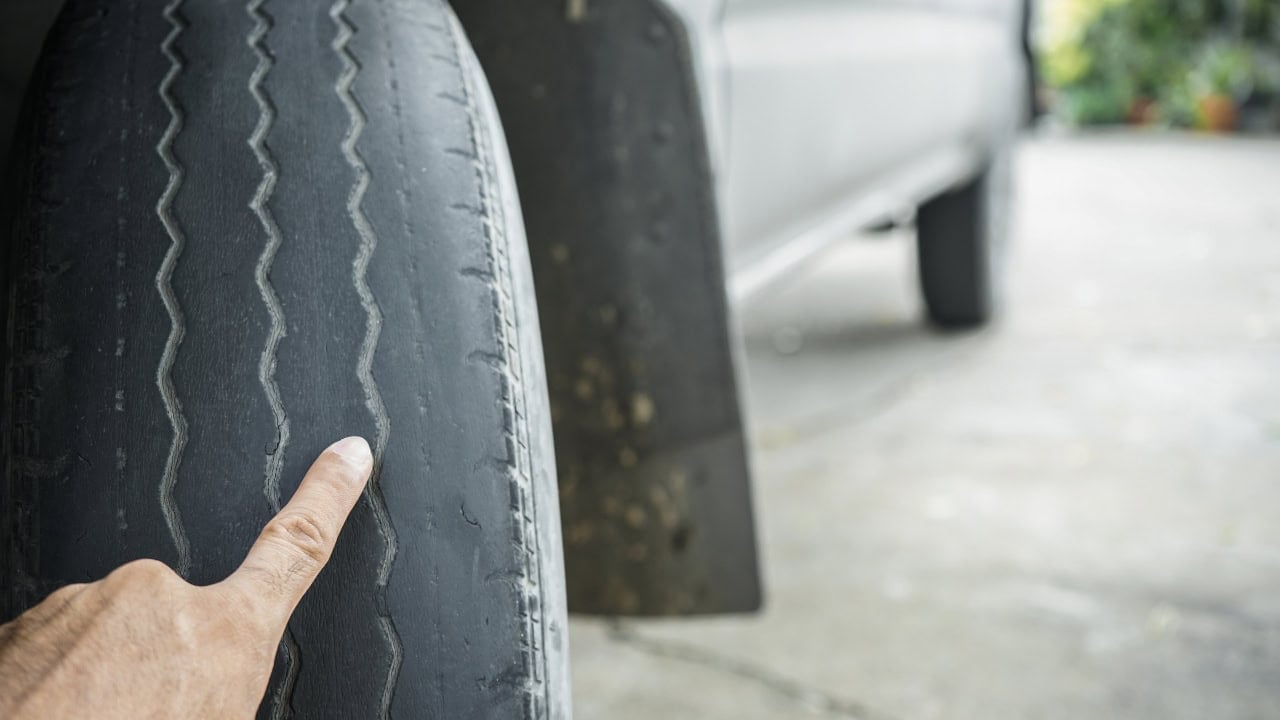
Underinflated tires make your car work harder, eat more fuel, and wear unevenly. They also put extra strain on suspension parts and increase the risk of blowouts.
Checking your tire pressure monthly keeps you safer and saves money on both gas and replacements. A cheap gauge and a few minutes at the air pump are all it takes to avoid a much bigger bill.
Delaying small fixes
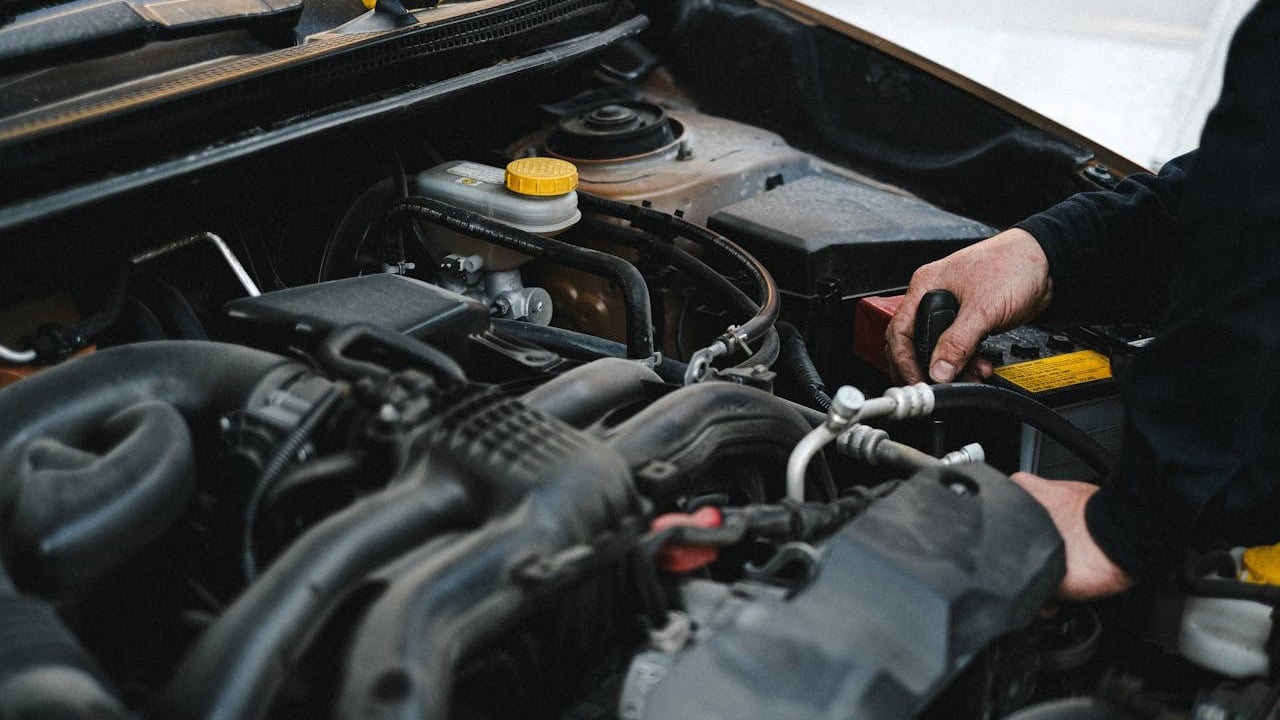
A cracked hose, small oil leak, or worn wiper blade might seem harmless, but small issues like these tend to compound fast. What could’ve been a $20 part becomes a few hundred once it spreads to something else.
Fixing problems early keeps your car reliable and helps avoid breakdowns that cost more in both repairs and towing. Procrastination is one of the most expensive habits drivers have.
Using cheap fluids
Fluids matter more than people realize. Using the wrong type of oil, coolant, or brake fluid can cause long-term damage that’s far more expensive than the money saved upfront.
Stick to what your owner’s manual recommends — not what’s on sale at the auto parts store. The right fluid keeps your system running efficiently and prevents corrosion or overheating down the road.
Revving or accelerating on a cold engine

When you start your car and take off fast, the oil hasn’t fully circulated yet. That dry friction wears down internal parts much faster. Revving the engine right after starting only makes it worse.
Give your car a minute to settle, especially in colder weather. Letting it idle briefly before driving helps the oil coat the engine properly — a small habit that saves you thousands in wear over time.
*This article was developed with AI-powered tools and has been carefully reviewed by our editors.
Leave a Reply