
Warehouse prices move in waves. When supply catches up or seasonal demand dips, certain staples slide down in price for a while before creeping up again. If you know which items are soft right now—and how to store them—you can lower your grocery spend for months without changing how you cook.
The key is stocking what you’ll actually rotate through, not building a bunker you’ll forget about.
Here’s what’s trending down and how to buy smart, store well, and actually use it all.
Cooking oils that stretch your kitchen budget
Big bottles of neutral oils and extra-virgin olive oil often drop when harvest volumes improve and shipping eases. This is the time to grab one EVOO for finishing and one neutral oil for high-heat cooking. Check harvest/best-by dates and aim for at least 9–12 months left. Store unopened bottles in a cool, dark spot; once opened, move the oil you’re actively using into a smaller dark bottle and keep the big jug sealed.
Cook from your pantry: sheet-pan vegetables twice a week, vinaigrettes in a jar, and a quick drizzle on toast with salt make you run through oil predictably.
Rice and dry beans that anchor cheap, filling meals
Bulk rice and beans slide down when commodity prices soften. A 20-pound bag sounds extreme until you split it into airtight containers and plan two meals a week around it—rice bowls, taco nights, soups, and curries. Beans are easiest in the slow cooker or Instant Pot; make a big batch, freeze in two-cup containers, and skip cans for months.
Keep one container in the kitchen and the rest sealed in a closet to avoid pantry pests. Bay leaves in the bin can help.
Canned tomatoes and broth that build sauces fast
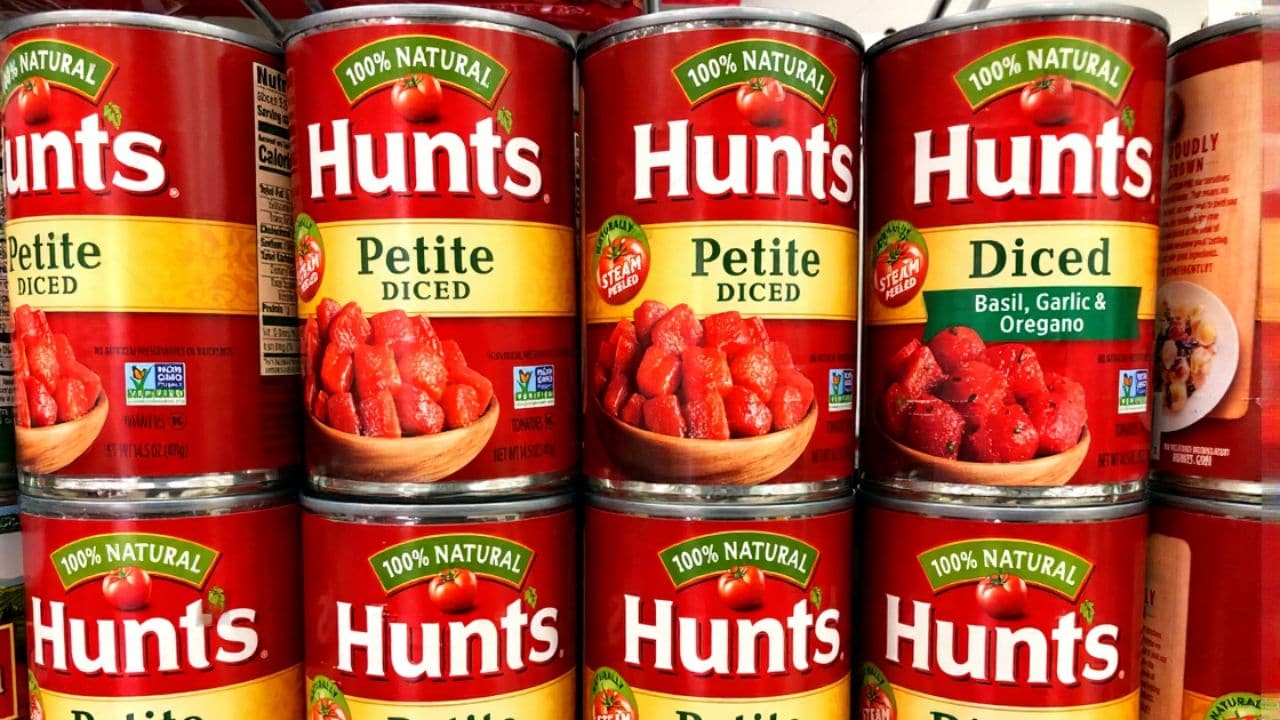
Tomato goods and boxed broths cycle through promos as production ramps. Stock diced, crushed, paste, and a few jars of passata. You’ll build soups, braises, and five-minute pasta sauces without buying specialty jars later. For broth, compare per-ounce prices against bouillon concentrates—the concentrate often wins on storage and waste.
Batch cook red sauce: olive oil, garlic, crushed tomatoes, salt, a little sugar, and a splash of vinegar. Freeze flat in bags so it thaws quickly on busy nights.
Frozen fruit that beats winter produce prices
When fresh berries spike, frozen bags win on cost and taste in smoothies, muffins, and sauces. Buy a mixed berry bag and a mango bag; you’ll cover breakfast bowls and quick desserts. To avoid freezer clumps, smack the bag on the counter before opening and reseal with as much air pressed out as possible.
Use a cup of frozen fruit simmered with a spoon of sugar and a splash of lemon as a topping for pancakes or yogurt. It feels special and uses what you already bought.
Shredded cheeses and block cheeses that go further
Dairy prices ease in certain seasons. Shredded cheese freezes well if you portion it flat in zip bags; pull what you need for tacos or casseroles. Blocks cube into snack boxes and stretch a party board without premium labels. If you’re baking, grab butter when it dips and freeze it—wrapped tightly, it’s good for months.
Shred your own when possible; texture and melt improve, and you avoid additives.
Poultry and ground meat that make weeknights cheaper
Chicken thighs, drumsticks, and family packs of ground turkey or beef often dip when supply is strong. Plan an assembly session: divide into one-pound or dinner-size portions, label, and freeze. If you’re up for it, season a few right in the bag (taco mix, teriyaki, lemon herb) so future dinners start ahead.
Rotate: red meat once a week, poultry twice, one meatless night. Predictable patterns keep costs down without thinking about it.
Baking basics that cut holiday sticker shock
Flour, sugar, chocolate chips, and yeast slide down around big baking windows. Costco sizes look huge until you realize how many non-dessert uses they have—pizza dough, pancake mixes, quick breads. Store flour in airtight containers and freeze yeast if you won’t use it within four months.
Make a double batch of pancake/waffle mix and keep it in a jar. Weekend breakfasts stop requiring a store run.
Paper goods that ride freight costs
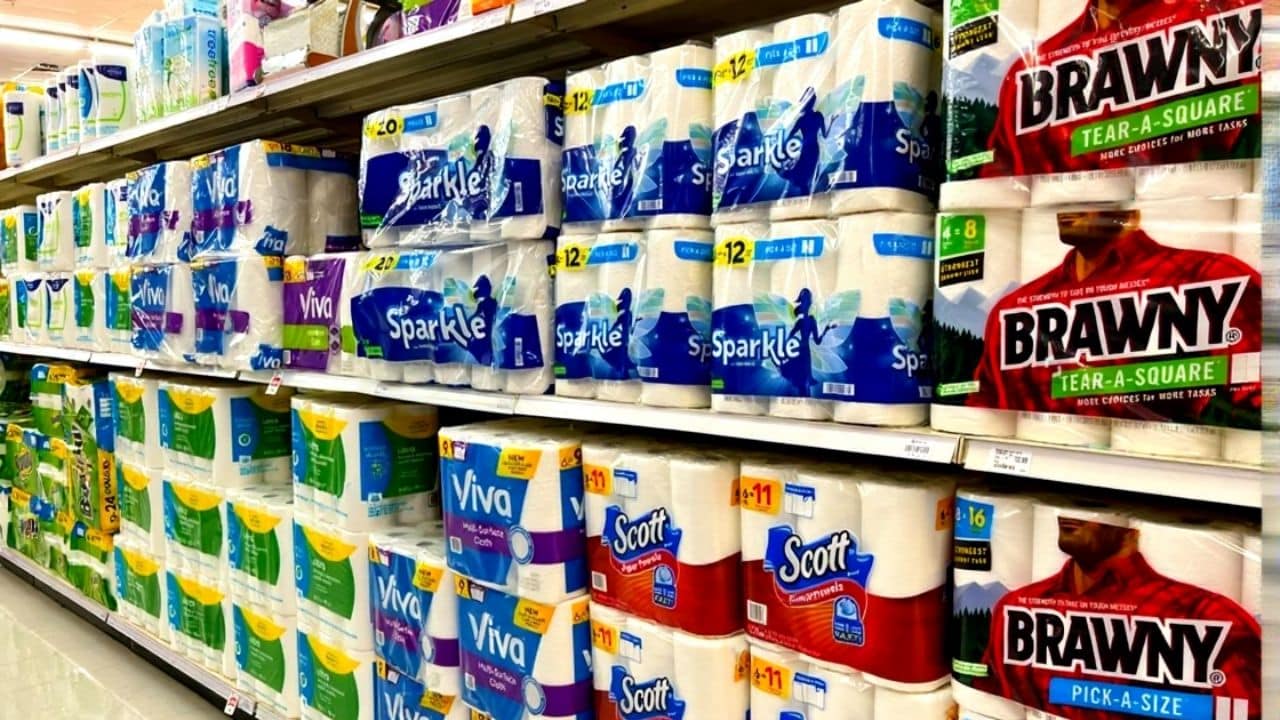
When shipping cools, big packs of paper towels and toilet paper quietly drop a notch. Buy one set to put away, not a wall of it. The savings come from timing buys, not hoarding. If storage is tight, split the pack with a neighbor and both of you win.
Keep one open pack accessible and the reserve out of sight so your household doesn’t race through it faster “because we have more.”
How to stock up without wasting money
Pick three categories you know your family burns through—say, oils, rice/beans, dairy—and build a mini stock only there. Label everything with a marker and set a “shop your shelves first” rule each Sunday when you plan meals. If you haven’t used a stocked category in two weeks, redirect a dinner to pull from it before buying more.
A small, targeted stock during a price dip beats a cart of random bargains every time. Buy with a plan, store like it matters, and eat from what you bought. That’s how the lower price tag turns into real savings.
*This article was developed with AI-powered tools and has been carefully reviewed by our editors.
Leave a Reply